
Author: fittslawfirm

woman submitting envelope at TDI government office counter with state seal

How to Strengthen a TDI Complaint for a Houston Claim Denial

Turning a Denied Houston Claim Into a Complaint That Gets Attention

Key Takeaways: Strengthening a TDI complaint after a Houston home claim denial depends on three pillars: thorough documentation, precise Texas Insurance Code citations, and proof of actual harm. Build a complete file organized around your claim’s timeline, including the policy, all communications, photos with metadata, denial letters, and a phone log. Identify specific violations such as unfair settlement practices under §§ 541.060 and 541.003, unlawful "binding" denial language under § 1701.062(b), and missed prompt-pay deadlines under §§ 542.055, 542.056, and 542.060. Quote the insurer’s own words alongside the statute each appears to violate.

A strong TDI complaint is built on documentation, specific statutory citations, and proof of actual harm. When a Houston homeowner files a complaint with the Texas Department of Insurance (TDI), the difference between dismissal and meaningful review often comes down to how well the complaint identifies the law the insurer broke. By pairing your story with exact Texas Insurance Code provisions, you transform a general grievance into a document that signals real regulatory exposure.

If your storm or property claim has been denied, underpaid, or delayed, the team at Fitts Law Firm, PLLC is ready to help. Call us at 713-871-1670 or reach out through our secure contact page to discuss your situation.
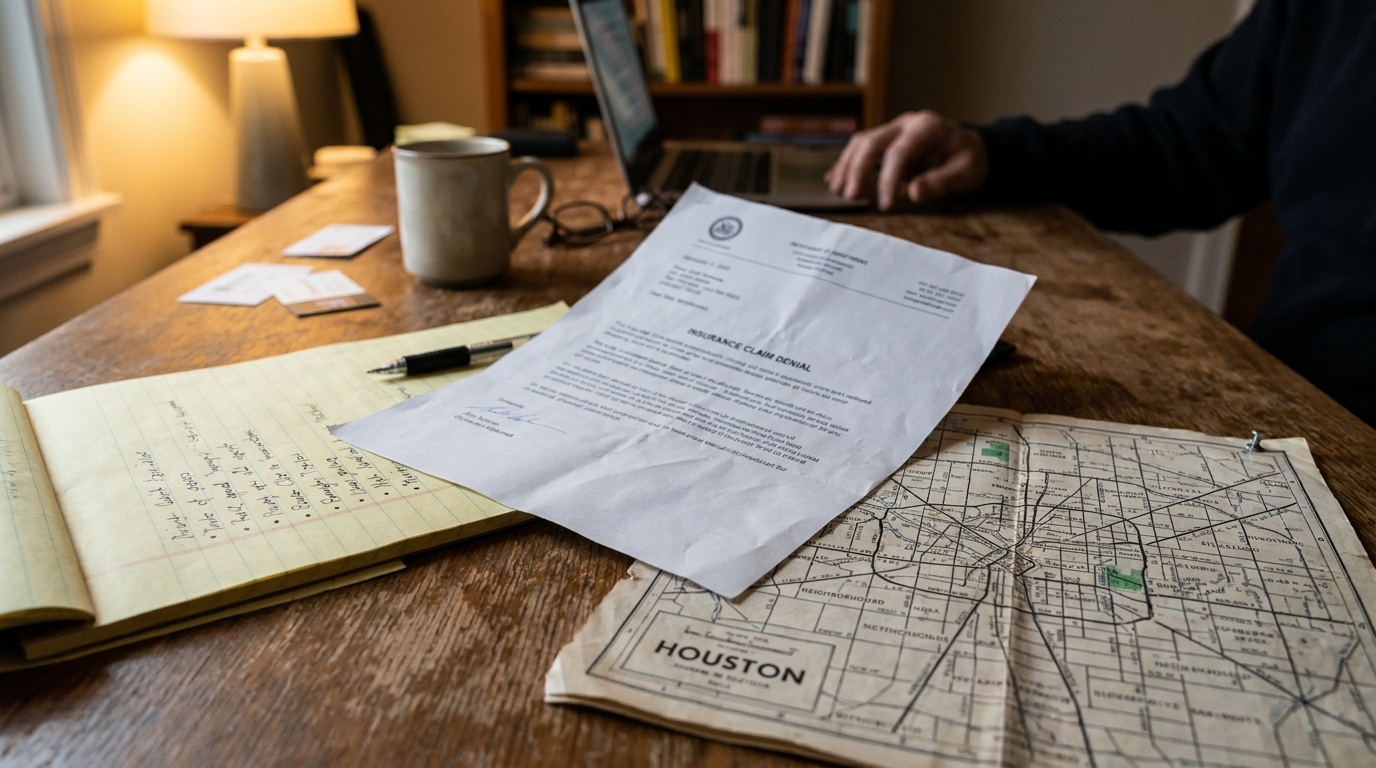
Insurance claim denial letter beside Houston map and handwritten legal notes on desk

Why a Detailed TDI Complaint Carries More Weight

TDI evaluates complaints through volume and documented patterns, so detail matters. Texas law gives TDI surveillance personnel a defined role: market analysis, as defined in Tex. Ins. Code § 751.003(3), is a process under which market conduct surveillance personnel collect and analyze information from filed schedules, surveys, required reports, and other sources as necessary to: (A) develop a baseline understanding of the marketplace; and (B) identify insurers or insurance practices that deviate significantly from the norm or pose a potential risk to the insurance consumer.

Your complaint can be a catalyst. Under the Texas Insurance Code, TDI has authority to conduct a targeted examination, a limited review of specific insurer conduct, practices, or risks identified through market analysis, including claims handling operations. A thorough, fact-specific complaint supports that review.

💡 Pro Tip: Before you file, request your complete claim file and the insurer’s written denial in full. Strong documentation starts with having every letter, email, and adjuster report in hand.

Build Your File: Documentation That Supports Houston Homeowners

Solid documentation is the foundation of an effective TDI complaint. Insurers in Texas must communicate in writing at key stages, and those writings become your evidence. If a claim is rejected, the insurer must provide the reason in writing. Keep that denial letter, its language often reveals the violation.

Organize your records around the timeline of your claim. A clear chronology helps TDI reviewers see where the insurer fell short. Assemble:

  • The original policy, including any endorsements and declarations page
  • Every written communication with dates
  • Photographs and independent estimates documenting the damage
  • The insurer’s denial letter and any adjuster or engineer reports
  • A running log of phone calls noting date, time, and representative’s name

Independent evidence is especially valuable for Houston home claim denials tied to hail, wind, or hurricane losses. Insurer-retained engineers sometimes attribute damage to wear rather than a covered weather event. A photo record and independent estimate can rebut that conclusion and show measurable damages.

💡 Pro Tip: Save metadata-preserving copies of damage photos. Original timestamps can establish that loss occurred during a specific Houston storm event.

Citing the specific prohibited practice separates a compelling complaint from a generic one. Texas broadly prohibits unfair insurance conduct. A person may not engage in this state in a trade practice that is defined or determined to be an unfair method of competition or an unfair or deceptive act or practice in the business of insurance. That foundational rule appears in Tex. Ins. Code § 541.003.

Several denial scenarios map directly onto enumerated unfair settlement practices. It is an unfair method of competition or deceptive act to engage in unfair settlement practices, including failing to promptly provide a reasonable explanation of the basis in the policy for denial of a claim, and refusing to pay a claim without conducting a reasonable investigation. Review the full chapter on unfair settlement practices under Tex. Ins. Code §§ 541.060(a) and 541.003.

Watch for unlawful "final" or "binding" language in your denial. Under Tex. Ins. Code § 1701.062(b), a discretionary clause includes a provision that specifies that a policyholder may not contest or appeal a denial of a claim, or that the insurer’s interpretation or decision is binding. If your denial suggests the decision is final or cannot be challenged, cite that language as a potential violation.

Documenting actual harm signals that litigation is a realistic next step. A person who sustains actual damages may bring an action against another person for those damages caused by engaging in an act or practice defined to be an unfair method of competition or deceptive act in the business of insurance. Quantifying your out-of-pocket losses makes the complaint concrete.

💡 Pro Tip: Quote the insurer’s own words in your complaint. Pasting exact denial language next to the statute it appears to violate makes your Texas insurance complaint strategy harder to overlook.

Use the Deadlines: Prompt-Pay Rules and TWIA Timelines

Missed statutory deadlines are some of the cleanest violations to document. Texas sets firm timelines for acknowledging and resolving claims. Insurers must acknowledge claims and begin investigation within 15 days, and notify claimants of acceptance or rejection within 15 business days of receiving all requested documentation. These requirements appear in Tex. Ins. Code §§ 542.055 and 542.056. Note that § 542.056 allows an insurer that cannot yet accept or reject the claim to take up to an additional 45 days if it timely notifies you in writing of the reasons.

Late payment carries financial consequences that belong in your complaint. If an insurer delays payment beyond statutory deadlines, it is generally liable for 18% annual interest on the claim amount plus reasonable attorney’s fees under Tex. Ins. Code § 542.060(a). However, for many weather-related property claims governed by Chapter 542A (which covers most hail, wind, and hurricane losses since September 1, 2017), Section 542.060(c) provides a different formula: the late-payment penalty is the interest rate determined under Tex. Fin. Code § 304.003 plus 5% (the Section 304.003 rate ranges roughly from 5% to 15%), yielding a penalty that can range approximately from 10% to 20%.

Houston storm claims often involve an important deadline adjustment. In the event of a weather-related catastrophe or major natural disaster, as defined by the commissioner, claim-handling deadlines are extended for an additional 15 days. You can read the prompt payment deadlines in Tex. Ins. Code § 542.059(b).

Deadline Statute Trigger
Acknowledge claim, begin investigation § 542.055 Within 15 days of notice
Accept or reject claim § 542.056 15 business days after documents received
Catastrophe extension § 542.059(b) Adds 15 days for weather events
TWIA coverage decision § 2210.573(d) Within 60 days of claim or information

Homeowners insured through the Texas Windstorm Insurance Association face a distinct timeline. For TWIA policies, the insurer must notify the claimant in writing, within 60 days of receiving the claim or requested information, whether coverage is accepted in full, in part, or denied. A missed 60-day deadline or denial lacking a detailed summary is a concrete procedural violation under Tex. Ins. Code § 2210.573(d).

From a Single Complaint to a Broader Investigation

A well-built complaint can point toward systemic conduct, not just an isolated dispute. If a member of the insurance buying public has been damaged by an unlawful method, act, or practice defined in Subchapter B as an unlawful deceptive trade practice, the department may request the attorney general to bring a class action, or the individual damaged may bring an action on the individual’s own behalf and on behalf of others similarly situated to recover damages and obtain relief as provided by that subchapter. Referencing this possibility under Tex. Ins. Code § 541.251(a) can underscore the seriousness of the conduct.

Good faith obligations also frame the insurer’s duties. Every insurance policy contains an implied covenant of good faith and fair dealing, and when an insurer violates this covenant, it may be liable for damages beyond the original value of the claim. Whether enhanced damages apply is fact-dependent. For guidance, you can learn about filing TDI complaint effectively.

💡 Pro Tip: Note in your complaint if neighbors received similar denials after the same storm. A documented pattern may support TDI’s market analysis.

Frequently Asked Questions

1. Does filing a TDI complaint replace a lawsuit?

No. The TDI complaint process is an administrative review separate from a civil lawsuit. Filing a complaint can prompt regulatory attention, but it does not resolve your contract or bad-faith claims.

2. What makes a TDI complaint stronger than a basic grievance?

Specific facts paired with specific statutes. Citing provisions like Tex. Ins. Code §§ 541.060, 542.056, and 542.060, along with documented damages and the insurer’s written language, demonstrates concrete, actionable harm.

3. Can I cite "final" or "binding" language in my denial letter?

Yes, and you should. Under Tex. Ins. Code § 1701.062(b), discretionary clauses that bar a claimant from contesting a denial or make the insurer’s decision binding are generally prohibited in Texas.

4. How do Houston storm events affect my deadlines?

Weather catastrophes can extend the insurer’s claim-handling deadlines by 15 days under Tex. Ins. Code § 542.059(b). TWIA policyholders also have a separate 60-day decision deadline under § 2210.573(d).

5. What if my insurer never investigated before denying?

That may be a violation. Tex. Ins. Code § 541.060(a) treats refusing to pay a claim without a reasonable investigation as a prohibited practice, though whether it applies depends on your claim’s facts.

Putting Your Strongest Complaint Forward

Strengthening a TDI complaint comes down to documentation, precise statutory citations, and proof of measurable harm. By organizing your records, quoting the insurer’s own denial language, and tying each problem to the right Texas Insurance Code provision, a Houston homeowner can turn a routine grievance into a complaint that supports regulatory review and a potential civil claim. If you are dealing with a Houston denied insurance claim, understanding these tools puts you in a stronger position.

You do not have to navigate the process alone. The team at Fitts Law Firm, PLLC helps Texas policyholders pursue denied, delayed, and underpaid property claims. Call 713-871-1670 or send us a message through our online consultation request to take the next step toward protecting your rights.


man seated at office desk reviewing legal documents with October calendar on wall

How Long Does an Insurer Have to Settle a Claim in Texas?

Understanding the Clock on Your Texas Insurance Claim

Key Takeaways: Texas law holds insurers to strict statutory timelines under the Prompt Payment of Claims Act (Chapter 542). Insurers have 15 days to acknowledge a claim and request documents, 15 business days to accept or reject once receiving all information, and 5 business days to pay an accepted claim. Limited exceptions extend the decision window, 30 days for suspected arson and up to 45 additional days with proper notice. Insurers must provide a reasonable explanation for denials and cannot use partial payments to force full releases. Missing deadlines exposes carriers to penalties including 18 percent annual interest plus attorney’s fees.

When a Houston homeowner files a property damage claim, Texas law puts the insurance company on a strict timeline. From reporting a hail, wind, or storm loss, your insurer must acknowledge, investigate, decide, and pay within statutory deadlines. If you’ve wondered how long does an insurance company have to settle a claim in Texas, the process moves through defined steps, each with legal deadlines. Missing those deadlines exposes carriers to financial penalties.

📌 If your homeowner claim has been denied, delayed, or underpaid, the team at Fitts Law Firm, PLLC is ready to help. Call us at 713-871-1670 or reach out through our secure contact page to discuss your situation.

woman handing envelope to Texas Department of Insurance office clerk at service counter

The Texas Prompt Payment Law and Why It Exists

The framework governing claim timelines was a direct response to carriers dragging out valid claims. In 1991, the Texas Legislature passed the Prompt Payment of Claims Act, requiring insurance companies to acknowledge, investigate, and pay claims within prescribed deadlines.

That statute is codified as Subchapter B of Chapter 542 of the Texas Insurance Code. Review the statutory text on the Texas prompt payment law pages maintained by the state. The purpose is straightforward: keeping insurers accountable to premium-paying policyholders.

💡 Pro Tip: Save every email, letter, and voicemail from your adjuster with a date stamp. A clear paper trail is often the most persuasive evidence that an insurer missed a statutory deadline.

How Long Does an Insurance Company Have to Settle a Claim in Texas Step by Step

The settlement timeline unfolds in a predictable sequence, with each stage starting a new clock. Understanding the insurance claim settlement timeline Texas policyholders face helps you spot delays early.

Stage Deadline Statutory Basis
Acknowledge claim, begin investigation, request documents 15 days (30 business days for eligible surplus lines) § 542.055
Accept or reject claim after receiving all information 15 business days § 542.056
Pay an accepted claim 5 business days (20 for surplus lines) § 542.057

After receiving notice of a claim, a Texas insurer must acknowledge receipt, begin investigating, and request required documentation within 15 days, or 30 business days for eligible surplus lines insurers. For a deeper look at this first stage, our article on what happens when insurers miss the Texas insurance claim deadline walks through the consequences.

Once the insurer holds all required information, the decision window opens. The insurer has 15 business days to accept or deny the claim. Limited exceptions exist: if it suspects arson, the window extends to 30 calendar days, and if the insurer cannot decide, it must notify the claimant within that period and has up to an additional 45 days to issue its final decision.

Payment carries its own short deadline. Once an insurer notifies a claimant it will pay the claim, it must issue payment within 5 business days. If payment is conditioned on the claimant first performing an act such as signing a release, the 5-business-day clock starts when that act is completed. Surplus lines insurers receive 20 business days instead of five.

When a Denial Must Come With an Explanation

A Texas insurer cannot reject your homeowner claim without explanation. Under Texas Insurance Code § 541.060(a)(3), an insurer is prohibited from failing to promptly provide a reasonable explanation of the basis in the policy, in relation to facts or applicable law, for denying a claim or offering a compromise settlement. A bare denial without detail can itself be a violation. Section 542.056(c) requires written rejection notices state reasons for rejection.

The same chapter lists several other behaviors that may amount to bad faith. The statutory catalog of unfair settlement practices is worth reviewing. Texas Insurance Code § 541.060(a) makes it an unfair act for an insurer to fail to attempt in good faith to effectuate a prompt, fair, and equitable settlement when liability has become reasonably clear; to fail within a reasonable time to affirm or deny coverage; or to refuse to pay a claim without conducting a reasonable investigation.

Insurers also cannot weaponize partial payments to escape disputed claims. Under Texas Insurance Code § 541.060(a)(6), it is prohibited to enforce a full and final release when only a partial payment has been made, unless the payment is a compromise settlement of a doubtful or disputed claim. If an adjuster hands you a check and a sweeping release for a homeowner insurance settlement Texas families know is too low, that tactic may cross a legal line.

💡 Pro Tip: Before signing any release tied to a partial payment, read it carefully. A release can extinguish your right to pursue the rest of a valid property damage claim Houston homeowners may still be owed.

What Happens When an Insurer Misses the Deadline

Blowing a statutory deadline carries consequences. If an insurer, after receiving all items reasonably requested, delays payment beyond the period specified by statute, or more than 60 days if other statutes don’t specify a period, the insurer shall pay damages and other items as provided by Section 542.060.

Those penalties add up quickly. An insurer violating Chapter 542’s prompt payment deadlines must pay the full claim amount plus 18 percent per year in interest damages, along with the policyholder’s reasonable and necessary attorney’s fees. For property damage claims governed by Chapter 542A, such as weather-related losses, the interest rate is calculated as 5 percent above the statutory judgment rate (capped at 20 percent), accruing from when payment was due.

You may have multiple legal theories to pursue. Available causes of action under Texas law include violations of the Unfair Claims Settlement Practices Act and Prompt Payment of Claims Act; violation of Texas’s Deceptive Trade Practices-Consumer Protection Act; breach of the common-law duty of good faith and fair dealing; and breach of contract. Which theories fit depends on your facts, and for many weather-related property claims Chapter 542A may limit certain remedies and add pre-suit notice requirements.

Common challenges homeowners face when a claim stalls include:

  • Adjuster requests for the same documents repeatedly, which can quietly reset the timeline
  • Engineering reports that blame "wear and tear" instead of a covered storm event
  • Lowball estimates paired with pressure to sign a release quickly
  • Confusion over whether the 15-day or 60-day deadline applies to a given delay

💡 Pro Tip: Independent documentation matters. Photographs, a personal repair estimate, and your own dated notes can rebut an insurer’s report and strengthen a denied insurance claim Houston policyholders decide to challenge.

Practical Steps to Protect Your Homeowner Claim

Staying organized is one of the most effective ways to enforce your rights. Texas law gives you the deadlines, but you must document the timeline yourself. Keep a simple log of when you reported the loss, when the insurer responded, and what was requested.

Under the prompt-payment statute, an insurer has 15 calendar days to acknowledge receipt of a claim, begin investigating, and request information from the insured. If those early steps never happen, that silence may itself be evidence of a violation.

Texas broadly bars insurers from mistreating claimants. Under Section 542.003, an insurer engaging in business in this state may not engage in an unfair claim settlement practice. Whether a particular delay or denial qualifies is fact-dependent. When a claim is wrongly denied, working with a knowledgeable Houston denied claim attorney can help you weigh your options.

💡 Pro Tip: Note the difference between calendar days and business days in the statutes. Some deadlines run on calendar days while others run on business days, and miscounting can affect how you calculate a missed Texas insurance claim time limit.

Frequently Asked Questions

1. How long does an insurance company have to settle a claim in Texas after approving it?

Once an insurer agrees to pay, it must act fast. It must issue payment within 5 business days after notifying the claimant it will pay. If payment is conditioned on an act like signing a release, the clock starts when that act is completed. Surplus lines insurers have 20 business days.

2. What is the deadline for an insurer to accept or reject my claim?

The decision deadline runs from when the insurer has your complete file. It must accept or reject within 15 business days of receiving all required items, with a 30-day window if arson is suspected, and up to an additional 45 days if it notifies you it needs more time.

3. What penalty applies if my insurer misses the deadline?

Late carriers owe more than just the claim. If an insurer fails to comply with deadlines, it is liable for 18 percent penalty interest on the claim, plus any attorney’s fees the insured incurs. The precise amount depends on claim type, and weather-related property claims under Chapter 542A use a different interest calculation.

4. Can my insurer deny my claim without an explanation?

No, a silent denial may violate the law. Section 541.060(a)(3) prohibits an insurer from failing to promptly provide a reasonable explanation of the policy basis, in relation to facts or applicable law, for denying a claim. A reasonable, written explanation is required.

5. Does the prompt payment timeline apply to storm and hail claims?

Yes, weather losses are covered. Property damage claims from hail, wind, and similar events generally fall under Chapter 542 and Chapter 542A, which set the deadlines and special interest calculation described above. How the rules apply depends on your specific policy and facts.

Knowing Your Timeline Puts You in Control

The Texas insurance claim process is built around deadlines that protect policyholders. From the 15-day acknowledgment requirement to the 5-business-day payment rule and 18 percent penalty for noncompliance, the statutes give homeowners leverage when an insurer delays, underpays, or denies a valid claim. Knowing how long to settle insurance claim Texas law allows helps you recognize violations when they happen.

If your homeowner claim has stalled or been denied, you don’t have to navigate the deadlines alone. Connect with Fitts Law Firm, PLLC for guidance tailored to your storm or property loss. Call 713-871-1670 today or send us a message through our online consultation request to learn more about your options.

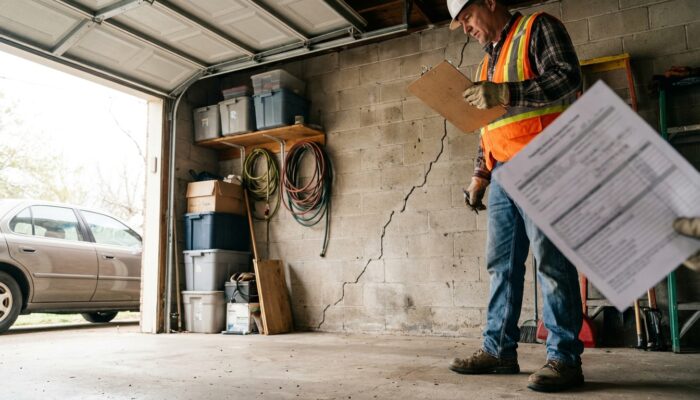
inspector in hard hat writing on clipboard near cracked garage wall

Can Houston Homeowners Dispute an Insurer’s Engineer Report?

Understanding Your Rights When an Insurer’s Engineer Says No

Key Takeaways: Yes, Houston homeowners can dispute an insurer’s engineer report through multiple Texas law pathways. Insurers often retain engineers who attribute damage to age or wear, but these reports aren’t final. TWIA policyholders can invoke binding statutory appraisal under Texas Insurance Code § 2210.574 to resolve amount disputes on accepted claims. Chapter 541 protections apply when carriers fail to investigate reasonably or explain denials. Independent engineer inspections, photographs, and contractor estimates effectively rebut carrier findings. Strict deadlines include a one-year TWIA claim filing deadline (with possible 180-day extension), two-year limitations for statutory and bad-faith claims, and four-year periods for breach of contract. Chapter 542 prompt-pay rules expose delaying insurers to 18 percent annual interest and attorney’s fees, or variable Finance Code rates for weather-related claims under Chapter 542A.

Yes, Houston homeowners can dispute an insurer’s engineer report, and Texas law provides several recognized pathways. When a hail or windstorm claim is denied based on an insurance company’s engineer report, that report isn’t the final word. Texas policyholders have statutory appraisal rights, bad-faith protections, and litigation options to challenge denials built on one-sided causation opinions. The key is understanding these tools and acting before deadlines pass.

If your claim was denied or underpaid after a storm, the team at Fitts Law Firm, PLLC can help evaluate your options. Call us at 713-871-1670 or reach out through our secure contact page to discuss your claim. Early action preserves rights that are difficult to recover later.

Why Insurers Lean So Heavily on Engineer Reports

Insurance companies frequently retain engineers to evaluate storm damage causes, and those reports often become the foundation for denials. A retained engineer may conclude that cracking, settling, or roof damage resulted from age, wear, or pre-existing conditions rather than covered storm events. Because the engineer is paid by the carrier, the opinion can understate or dismiss storm causation, leaving homeowners with lowball offers or outright denials.

This pattern isn’t new in Texas. Disputes often turn on competing interpretations of policy language and conflicting expert conclusions about loss causation.

💡 Pro Tip: Request a complete copy of the insurer’s engineer report in writing, including all photographs, field notes, and data.

Coverage Disputes Are Often About Causation, Not Just Damage

Many denied claims hinge on whether damage falls within the policy’s covered causes. Texas courts have wrestled with these causation questions for decades. The Texas Supreme Court ruled in Balandran v. Safeco Ins. Co., 972 S.W.2d 738, 742 (Tex. 1998), that damage caused by foundation movement due to underground plumbing leaks is covered under standard homeowner’s policies.

This history matters because insurers sometimes defend denials by pointing to conflicting court opinions. Understanding whether a true coverage dispute exists, or whether the carrier is simply leaning on a favorable report, is central to any storm damage claim dispute in Texas.

How Texas Law Lets You Challenge a Retained Engineer

Texas provides homeowners with concrete statutory mechanisms to contest denials driven by insurer engineers. These tools range from formal appraisal to unfair settlement practices statutes governing carrier conduct. Knowing which applies to your situation helps you respond strategically.

The appraisal process is critical. Texas Insurance Code § 2210.574 gives TWIA windstorm and hail policyholders a formal appraisal process to dispute the amount of loss when TWIA accepts coverage in full or in part. Appraisal resolves disagreements about loss amounts on accepted claims, not coverage denials or pure causation disputes, and its decision is generally binding. TWIA policies must include conspicuous notice explaining appraisal and alternative dispute resolution processes, so review your policy’s windstorm and hail dispute provisions. Chapter 2210 applies only to TWIA policies in designated seacoast areas; homeowners with private policies should confirm their own dispute provisions.

Beyond appraisal, unfair settlement practices statutes provide leverage. Several provisions are directly relevant:

  • Reasonable investigation: Texas Insurance Code § 541.060(a)(7) makes it unfair and deceptive to refuse payment without conducting reasonable investigation.
  • Reasonably clear liability: Section 541.060(a)(2)(A) prohibits failing to attempt good faith prompt, fair, and equitable settlement when liability becomes reasonably clear.
  • Explaining denial: Section 541.060(a)(3) prohibits failing to promptly provide reasonable explanation of the policy basis for denial.

These unfair settlement practices statute provisions generally apply when insurer conduct falls below legal standards.

💡 Pro Tip: An independent engineer’s inspection can directly rebut the carrier’s causation theory. Independent expert evidence is often most persuasive.

The Role of an Independent Engineer and Documentation

Rebutting a biased report requires your own evidence, and an independent Houston engineer can supply it. When a qualified, neutral engineer inspects your roof or foundation and confirms storm causation, that opinion can directly conflict with carrier findings. Photographs, contractor estimates, weather data, and communication timelines strengthen your position.

Insurers sometimes seek to re-inspect property after you send presuit notice. Our discussion of whether insurers can request property inspections explains how those requests work. Careful documentation throughout preserves credibility if disputes reach litigation.

💡 Pro Tip: Keep every email, letter, and recorded call organized by date. Clear paper trails support both appraisal demands and potential bad-faith claims.

Deadlines That Can Make or Break Your Claim

Timing is one of the most unforgiving aspects of disputing denied storm claims in Texas. Missing filing or suit deadlines can forfeit otherwise strong rights, so calendar these dates early.

Deadline General Rule Source
File windstorm/hail claim First anniversary of damage date Tex. Ins. Code § 2210.205(a)(1)
Possible extension Up to 180 days for good cause Tex. Ins. Code § 2210.205(b)
Acknowledge claim Within 15 days of notice Tex. Ins. Code § 542.055
Accept or deny Within 15 business days after proof Tex. Ins. Code § 542.056
Lawsuit filing Generally two years from accrual Civil limitations

The one-year window deserves special attention. TWIA policyholders generally have one year from damage date to file claims, and missing this forfeits dispute rights, including challenging engineer reports, though the Commissioner may grant 180-day extensions for good cause. This one-year deadline is TWIA-specific; private windstorm coverage holders should check their policy requirements. Separately, limitations periods govern lawsuits: statutory and bad-faith claims generally require filing within two years of accrual, while breach-of-contract claims generally carry four-year periods, though policies may contractually shorten these. Courts interpret tolling and discovery exceptions narrowly, so don’t assume automatic extensions.

💡 Pro Tip: Don’t wait for insurers to finish "reviewing" before tracking deadlines. The clock keeps running while negotiations stall.

Prompt-Pay Rules and Other Remedies for a Denied Claim

Texas law penalizes insurers that delay or mishandle claims, giving policyholders additional leverage. Chapter 542 of the Texas Insurance Code, the Prompt Payment of Claims Act, requires insurers to acknowledge claims within 15 days, accept or reject within 15 business days after receiving needed information, and pay approved claims within 5 business days. Under section 542.060, insurers that delay payment may owe 18 percent annual interest plus attorney’s fees, though for weather-related property claims governed by Chapter 542A (covering most storm, hail, and wind claims filed on or after September 1, 2017), penalty interest is instead a variable Finance Code rate, generally 10 to 20 percent.

If your claim is unfairly denied, you generally have multiple routes. Homeowners can appeal to insurers, file complaints with the Texas Department of Insurance at (800) 252-3439, or hire attorneys for further action. An experienced storm damage attorney Houston can help you decide which combination fits your circumstances. Administrative complaints to regulators are separate from civil lawsuits, and one doesn’t substitute for the other.

Working With a Storm Damage Attorney to Push Back

A storm damage attorney evaluates the engineer report, policy language, and carrier conduct together. That combined view often reveals whether denials reflect legitimate coverage questions or unreasonable refusals to pay reasonably clear claims. Counsel can demand appraisal, retain independent engineers, document prompt-pay violations, and, when appropriate, file suit for breach of contract or bad faith.

Frequently Asked Questions

1. Can I really overturn an insurer’s engineer report?

You can challenge it, though success depends on evidence. Independent engineer opinions, photographs, and contractor documentation rebut carrier causation findings. For TWIA claims, appraisal under § 2210.574 resolves amount disputes on accepted losses, and bad-faith claims under Chapter 541 are common avenues for challenging carrier conduct.

2. What if the insurer never explained why my claim was denied?

That may itself be a violation. Section 541.060(a)(3) prohibits failing to promptly provide reasonable explanation of the policy basis for denial.

3. How long do I have to dispute a denied storm claim in Houston?

It depends on policy type and claim. Under TWIA windstorm and hail policies, claims generally must be filed within one year of damage, with possible 180-day extensions for good cause. Lawsuits follow separate limitations periods: generally two years for statutory and bad-faith claims, four years for breach of contract. Confirm specific deadlines early.

4. Does requesting appraisal give up my right to sue?

Not automatically, but the interplay is complex. Appraisal under § 2210.574 is binding as to loss amounts on accepted TWIA claims. Whether other claims survive depends on facts, so seek legal guidance before invoking it.

5. What if the insurer keeps delaying payment?

Delay can trigger penalties. Under Chapter 542, insurers failing to pay timely may owe interest plus attorney’s fees, 18 percent annually for most claims, or variable Finance Code rates for weather-related property claims under Chapter 542A.

Protecting Your Investment After a Denial

A denied or underpaid storm claim is rarely the end of the road for Houston homeowners. Between statutory appraisal, Chapter 541 unfair settlement practices provisions, Chapter 542 prompt-pay requirements, and independent engineering evidence, Texas law offers real tools to challenge denials built on retained engineer reports. Position strength depends on facts, policy terms, and how promptly you act to preserve deadlines and documentation.

If an insurer’s engineer report stands between you and fair recovery, Fitts Law Firm, PLLC is ready to review your claim and explain your options. Call 713-871-1670 or send us a message through our online consultation form to take the next step toward challenging your denial.

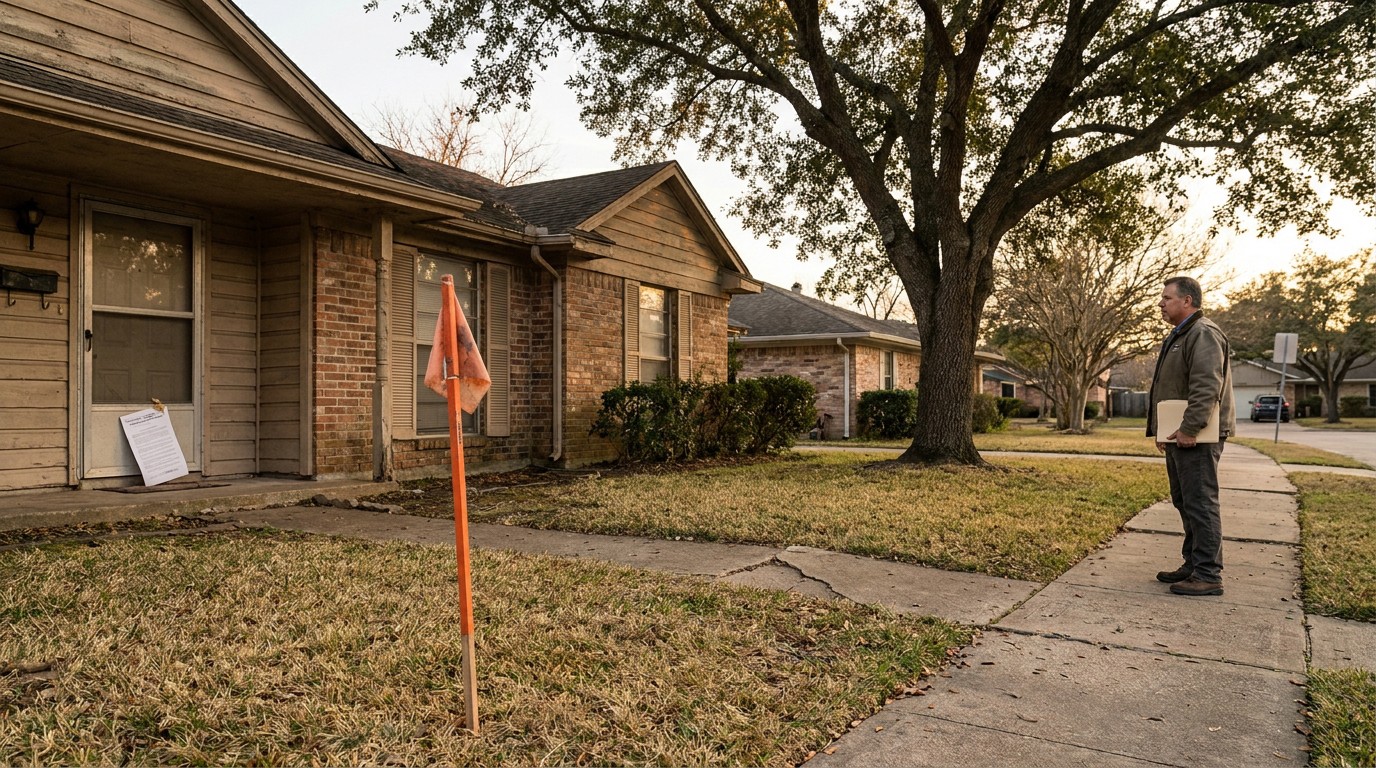
man holding documents standing on sidewalk inspecting residential property with utility flag

older man reviewing stack of legal documents and folders at kitchen counter

Can Houston Homeowners Sue an Insurer for Taking Too Long?

Key Takeaways: Texas law sets strict deadlines for insurers to acknowledge, investigate, and pay homeowner claims. Missing these deadlines may give you grounds to sue for the claim amount plus interest and attorney’s fees. The Texas Prompt Payment of Claims Act requires a 61-day written notice before filing a bad faith lawsuit, advising the insurer of the specific complaint and the amount of actual damages and expenses (including attorney’s fees) you are seeking. Statutes of limitations range from two to four years depending on your legal theory. Document every interaction with your insurer to strengthen your position.

If your insurance company is stalling on your homeowner claim, you are not alone. Many Houston homeowners ask, "Can I sue my insurance company for taking too long?" after weeks or months of silence following storm damage. The answer is yes, Texas law provides remedies when insurers unreasonably delay processing or paying valid property damage claims. The Texas Insurance Code establishes specific timelines that carriers must follow, and violating those timelines can expose them to liability for the original claim amount, interest, attorney’s fees, and additional damages.

If you are dealing with a delayed insurance claim in Texas, Fitts Law Firm, PLLC can help you evaluate your options. Call 713-871-1670 or reach out online to discuss your situation.

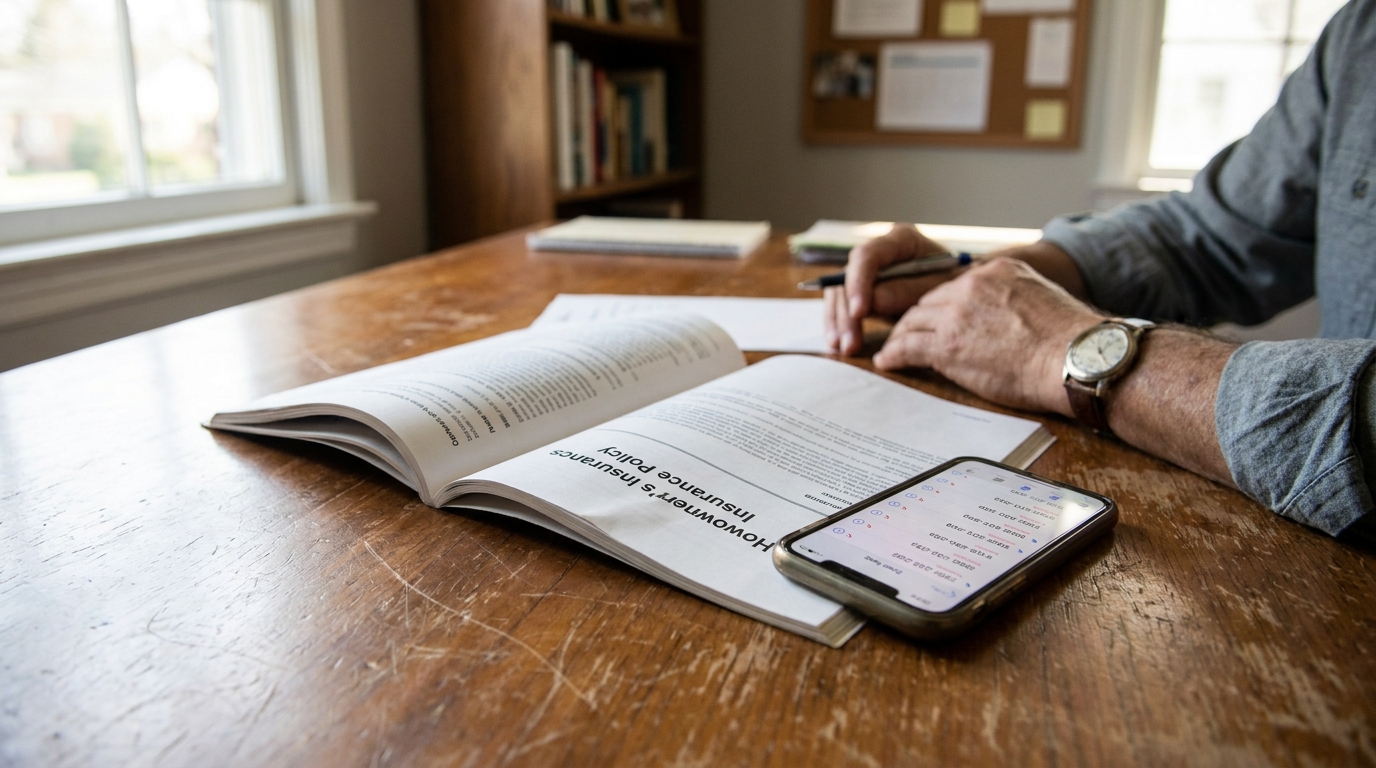
open homeowner's insurance policy document and smartphone on wooden desk

Texas Deadlines Insurers Must Follow on Homeowner Claims

Texas does not leave claim timelines up to the discretion of your insurance company. The Texas Prompt Payment of Claims Act in Chapter 542 of the Texas Insurance Code lays out specific deadlines for property damage claims. Under TEX. INS. CODE § 542.055, your insurer has 15 calendar days after receiving notice of your claim to acknowledge receipt, begin its investigation, and request any needed information.

After the investigation, the clock keeps ticking. Your insurer must accept or deny your claim within 15 business days of receiving all items required to secure final proof of loss, per TEX. INS. CODE § 542.056. If the company needs more time, it must notify you in writing within that same 15-business-day window, and then it has an additional 45 days to accept or deny the claim. Once the insurer agrees to pay, it must send payment within five business days under TEX. INS. CODE § 542.057. Missing that payment deadline means you can sue for the claim amount plus 18 percent annual interest and reasonable attorney’s fees.

The table below summarizes these key deadlines:

Insurer Obligation Deadline Authority
Acknowledge receipt of claim 15 calendar days TEX. INS. CODE § 542.055
Accept or deny claim 15 business days (plus up to 45 additional days with written notice) TEX. INS. CODE § 542.056
Send payment after agreeing to pay 5 business days TEX. INS. CODE § 542.057

💡 Pro Tip: Keep a written log of every date you submit documents, call your adjuster, or receive correspondence. This timeline becomes critical evidence if you need to prove your insurer violated prompt payment deadlines.

Can I Sue My Insurance Company for Taking Too Long in Houston?

Yes, Houston homeowners may have the right to sue when an insurer unreasonably delays a claim. Texas law lists "refusing, failing, or unreasonably delaying a settlement offer" as an unfair claim settlement practice, but TEX. INS. CODE § 541.060(a)(5) is limited to delays based on the availability of other coverage or on third-party liability rather than imposing a general prohibition on delay. A broader statutory basis for bad-faith delay claims, prohibiting a carrier from failing to attempt in good faith to effectuate a prompt, fair, and equitable settlement when liability is reasonably clear, is found in TEX. INS. CODE § 541.060(a)(2). Under 28 Tex. Admin. Code § 21.203(11), the prohibition on refusing, failing, or unreasonably delaying a settlement offer is similarly limited to situations where the delay is based on the availability of other coverage or third-party liability. These provisions exist to discourage insurer delay tactics that violate Texas prompt payment laws.

Delay can also rise to the level of bad faith. Under Texas Insurance Code § 541.151, a person who sustains actual damages from unfair or deceptive insurance practices may file a lawsuit. However, TEX. INS. CODE § 541.154 requires that a person seeking damages first provide written notice to the insurer not later than the 61st day before the date the action is filed, advising the insurer of the specific complaint and the amount of actual damages and expenses, including attorney’s fees reasonably incurred in asserting the claim.

💡 Pro Tip: When sending your 61-day pre-suit notice, use certified mail with return receipt requested. This creates verifiable proof that the insurer received your notice.

What Counts as Unreasonable Delay?

There is no single magic number of days that automatically makes a delay "unreasonable." Courts look at the totality of circumstances, including whether the insurer requested unnecessary documentation, failed to communicate, or ignored its own deadlines. If your insurer acknowledged your claim but went silent for months without explanation, that pattern may support a bad faith insurance delay claim in Texas.

Repeated requests for information you already provided can also signal bad faith. Some carriers cycle through adjusters or request duplicate inspections as stalling tactics. Document each instance carefully.

Weather and Forces-of-Nature Claims Have an Extra Step

If your property damage was caused wholly or partly by forces of nature, such as wind or hail, Texas imposes an additional pre-suit notice requirement under Chapter 542A of the Insurance Code. You must provide your insurer with written notice at least 61 days before filing suit, specifying the amount of your damages and the acts giving rise to your claim. This applies to hurricanes, severe storms, hail, and similar weather events common in Houston. Failing to provide this notice could affect your ability to recover attorney’s fees.

💡 Pro Tip: Even if you are unsure whether your loss qualifies as a "forces of nature" claim under Chapter 542A, send the pre-suit notice as a precaution. Providing extra notice costs you nothing, but missing a required notice could weaken your case.

Statutes of Limitations: How Long Do You Have to Act?

Time limits apply to every legal claim, and insurance disputes are no exception. Deceptive trade practices claims brought under the DTPA and Insurance Code Chapter 541 carry a two-year statute of limitations. Because bad faith insurance delay claims are typically brought under the Texas Insurance Code, this two-year window is often the relevant deadline for Houston homeowners. You can review Texas statutes of limitation for additional context.

Breach of contract claims offer a longer runway. If you sue your insurer for failing to fulfill policy obligations, the four-year statute of limitations for breach of contract applies. However, some policies contain contractual "suit against us" provisions that impose shorter filing deadlines, so reviewing your policy language is essential.

The Discovery Rule May Extend Your Deadline

In limited circumstances, Texas courts recognize a "discovery rule" that can push back the start of the limitations period. This applies when an injured person could not reasonably have known about the harm until later. However, courts interpret this exception narrowly.

💡 Pro Tip: Do not wait until you think your deadline is approaching. Seek legal guidance as soon as you suspect your insurer is acting in bad faith, well before any limitations period becomes a concern.

Your Options When an Insurer Stalls Your Claim

Houston homeowners have several paths to resolve a delayed or denied claim. Texas law provides multiple dispute resolution options, including:

  • Requesting an appraisal to resolve disagreements over the value of your loss
  • Filing a complaint with the Texas Department of Insurance (TDI) to trigger regulatory review
  • Taking the matter to court, including Justice Court for claims under $20,000

Each option serves a different purpose. An appraisal addresses valuation disputes but not coverage denials. A TDI complaint can prompt insurer action but is separate from a civil lawsuit. Filing suit may be necessary to recover the full amount owed, especially when the insurer’s conduct amounts to bad faith. Learn more about policyholder rights in Texas through nonprofit consumer advocacy resources.

💡 Pro Tip: If your insurance company is too slow in Texas and you believe the delay is intentional, consider having an independent adjuster or contractor assess your damage. Independent documentation can counter insurer-retained reports that may undervalue your loss, and homeowners can dispute engineer reports that appear biased or incomplete.

Steps to Protect Your Claim Right Now

Taking proactive steps today can make a significant difference if litigation becomes necessary. Send all communications with your insurer in writing. Follow up phone calls with an email summarizing what was discussed. Save every letter, email, and text message related to your claim. Request written explanations whenever your insurer denies, delays, or reduces your claim.

Review your policy carefully. Understand what your policy covers, excludes, and what deadlines it imposes on you. Many policies contain specific notice requirements or documentation obligations. Meeting those obligations protects you from arguments that the delay was your fault. If you need help from a denied insurance claim attorney in Houston, getting legal guidance early often leads to stronger outcomes.

Frequently Asked Questions

1. How long does a Texas insurer have to respond to my homeowner claim?

Your insurer must acknowledge receipt within 15 calendar days under TEX. INS. CODE § 542.055. It must then accept or deny your claim within 15 business days of receiving all required items for final proof of loss. If it needs additional time, it must notify you in writing and then has up to 45 additional days to decide.

2. Can I sue my insurance company for taking too long to pay after approving my claim?

Yes, if your insurer agrees to pay but fails to send payment within five business days under TEX. INS. CODE § 542.057, you may sue. Texas law allows you to recover the claim amount plus 18 percent annual interest and reasonable attorney’s fees.

3. What is the statute of limitations for suing my insurer in Texas?

It depends on the legal theory. Bad faith and deceptive trade practices claims generally carry a two-year statute of limitations, while breach of contract claims have a four-year window. Your policy may contain a contractual provision that shortens the filing deadline.

4. Do I need to send a notice before suing my insurance company?

In most cases, yes. Under Texas Insurance Code § 541.154, you must provide written notice not later than the 61st day before the date the action is filed, advising the insurer of the specific complaint and the amount of actual damages and expenses (including attorney’s fees) you are seeking. For claims involving damage caused by forces of nature, Chapter 542A requires written notice at least 61 days before filing suit.

5. What can I do if my insurer keeps delaying but has not formally denied my claim?

Document the delays and consider filing a complaint with the Texas Department of Insurance. You may also request an appraisal if the dispute involves claim value. If the pattern continues, consulting an attorney about a potential bad faith claim is advisable, as unreasonable delay is a recognized unfair claim practice under Texas law.

Take Action Before Time Runs Out

Houston homeowners do not have to accept endless delays from their insurance companies. Texas law provides clear deadlines and meaningful remedies when insurers fail to process claims promptly. Whether your property was damaged by a hurricane, hailstorm, or roof failure, you have legal options to hold your carrier accountable. The key is acting quickly, documenting thoroughly, and understanding the procedural requirements.

If your insurance company is dragging its feet on your homeowner claim, Fitts Law Firm, PLLC is ready to help you evaluate your next steps. Call 713-871-1670 today or contact us online to get started.

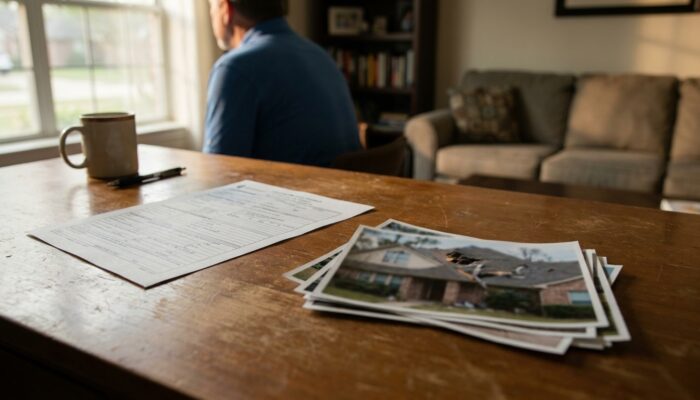
insurance claim form and property damage photos spread on wooden table

What Is a Proof of Loss and Why Do Houston Insurers Require It?

Understanding Proof of Loss Requirements for Houston Homeowners

If your Houston home suffers storm damage and you file an insurance claim, your insurer may require a proof of loss, a formal written statement detailing the occurrence, character, and extent of your loss. Many homeowners encounter this requirement only after a hurricane, hailstorm, or windstorm has disrupted their lives. Understanding what a proof of loss is, why insurers require it, and how Texas law protects you can mean the difference between a paid claim and a denied one.

If your insurer has denied or delayed your homeowner claim, Fitts Law Firm, PLLC can help you understand your rights. Call 713-871-1670 or reach out online to discuss your situation today.

inspector holding clipboard with claim document inside severely damaged property

What a Proof of Loss Form Actually Requires

A proof of loss is a sworn, written document that formally communicates the details of your claimed loss to your insurance company. It typically requires you to describe what happened, what was damaged, and repair or replacement costs. Under Texas law, your insurer must request all items, statements, and forms it reasonably believes are required, including a proof of loss form, within 15 days after receiving notice of your claim.

The form serves a specific legal function. It provides the insurer with documented proof needed to evaluate your claim. You may submit it through any method your insurer accepts, including mail, fax, or email. Because this document directly affects whether your claim is accepted or denied, accuracy and thoroughness matter.

💡 Pro Tip: Before completing your proof of loss, photograph and inventory every damaged item. Visual evidence strengthens your estimates and makes disputes harder.

Why Houston Insurers Require Proof of Loss

Insurance companies use the proof of loss form as a gatekeeping tool in the Texas insurance claim process. It shifts the burden to you to document and quantify damages in a formal sworn statement. For Houston homeowners dealing with hurricane, hail, or wind damage, this requirement creates a significant hurdle when damage is extensive and costs are difficult to estimate quickly.

Insurers also rely on proof of loss submissions to set claim timelines. Under TEX. INS. CODE § 542.056, the insurer must notify you in writing whether it accepts or rejects the claim within 15 business days after receiving all required documentation. If the insurer cannot meet that deadline, it may request up to 45 days extension with written explanation.

What Happens If You Do Not Receive Claim Forms on Time

Your insurer has deadline obligations under Texas law. After receiving written notice of your claim, the insurer must acknowledge the claim, begin investigating, and request all necessary forms within 15 days per TEX. INS. CODE § 542.055. If the insurer fails to send required forms, including proof of loss, within that period, it generally cannot later use your failure to submit those forms as grounds for denial.

💡 Pro Tip: Mark the date you submitted written notice on a calendar. If 15 days pass without acknowledgment or forms, document that gap, it may become critical evidence later.

How to Complete and Submit Your Proof of Loss in Texas

Filling out a proof of loss form requires careful attention, but you do not need to rush. If your insurer pressures you to estimate losses before you can do a thorough job, write "undetermined" on the form, sign and submit it, then supplement it later with accurate figures. This protects your claim while giving you time to gather contractor estimates, inventory damaged belongings, and document property damage properly.

Key Steps for a Strong Submission

Organizing your submission reduces claim denial risk. Consider these steps:

  • Request your full policy to understand coverage requirements.
  • Photograph and video all damaged areas before repairs.
  • Obtain written estimates from licensed contractors.
  • Keep copies of every document sent to or received from your insurer.
  • Submit via a method creating a delivery record, such as certified mail or email with read receipt.

Written communication is essential. United Policyholders, a nonprofit consumer advocacy organization, advises Texas policyholders to communicate in writing with insurers for a clear paper trail. This prevents insurers from later claiming they never received critical information. Find additional guidance on policyholder rights in Texas from United Policyholders.

💡 Pro Tip: Send your proof of loss via certified mail with return receipt, and save a digital copy. Proving when and how you submitted the form can be decisive in disputes.

What Happens If You Miss the Proof of Loss Deadline

A late submission does not automatically destroy your claim. Under Texas law, if providing proof of loss within the policy’s timeframe was not reasonably possible, a late submission doesn’t mean automatic dismissal. Courts recognize that catastrophic storms, displacement, and damage assessment complexity can make strict compliance impractical.

However, do not treat the deadline casually. Insurers frequently use missed deadlines to deny or reduce claims. If you anticipate difficulty meeting your policy’s deadline, notify your insurer in writing, explain the circumstances, and request additional time.

If your insurer denies your claim after you submit proof of loss, or uses the form to delay payment, Texas law provides meaningful remedies. Chapter 542 of the Texas Insurance Code governs claim processing and settlement. Under TEX. INS. CODE § 542.060, if the insurance company delays payment beyond the statutory deadline, it may owe penalty interest plus reasonable attorney fees if you sue and win. For weather-related property damage claims under Chapter 542A, the interest rate is calculated by adding 5% to the rate under § 304.003 of the Texas Finance Code. For other claims, the rate is 18% per year.

Texas law also prohibits unfair claim settlement practices. Under 28 Tex. Admin. Code § 21.203 and Tex. Ins. Code Ch. 541, insurers may not misrepresent policy provisions, fail to attempt prompt fair settlements when liability is clear, or refuse to pay claims without reasonable investigation. If your insurer engaged in these practices, you may have grounds for a bad-faith action beyond original policy benefits.

Texas Prompt Payment Timeline Deadline Legal Authority
Insurer must acknowledge claim and begin investigation 15 days after receiving written notice TEX. INS. CODE § 542.055
Insurer must request all required claim forms (including proof of loss) 15 days after receiving notice of claim TEX. INS. CODE § 542.055
Insurer must accept or reject claim in writing 15 business days after receiving all required documentation TEX. INS. CODE § 542.056
Extension if insurer cannot meet 15-business-day acceptance deadline Up to 45 additional days with written explanation TEX. INS. CODE § 542.056

Your Rights Under the Texas Consumer Bill of Rights

The Texas Consumer Bill of Rights gives you specific protections when dealing with a denied home insurance claim. If the company denies your claim in whole or part, it must give you written reasons. You also have the right to reject any settlement amount the insurer offers, including unfair valuations.

💡 Pro Tip: If your insurer offers a low settlement, you’re not obligated to accept it. You may reject any amount, obtain your own estimates, and negotiate or pursue legal remedies for full covered value.

Protecting Your Claim From the Start

Every action after property damage affects whether your insurer pays or denies your claim. Strong homeowner claim documentation in Houston starts with immediate photographs and written records, continues through a carefully completed proof of loss, and extends to every insurer communication. If you’ve been denied, underpaid, or delayed, an experienced denied insurance claim attorney in Houston can evaluate whether your insurer violated the Texas Prompt Payment Act or engaged in unfair settlement practices.

💡 Pro Tip: Keep a dedicated folder for all claim documents including your policy, correspondence, photos, estimates, and proof of loss form. Organized records strengthen your position if litigation becomes necessary.

Frequently Asked Questions

1. Can my insurer deny my claim solely because I missed the proof of loss deadline?

What Texas Law Says About Late Proof of Loss Submissions

Not necessarily. Under Texas law, if providing proof of loss within the policy’s timeframe was not reasonably possible, a late submission doesn’t automatically invalidate your claim. However, insurers may still attempt to use missed deadlines as denial grounds, so documenting obstacles is critical.

2. What should I write on the proof of loss form if I do not know my total damages yet?

Handling Uncertain Damage Estimates

Write "undetermined" on your proof of loss form and submit it, then supplement later with complete figures. This protects your right to claim full damages while complying with the insurer’s request for timely submission.

3. How long does my insurer have to respond after I submit proof of loss?

Texas Prompt Payment Deadlines

Your insurer must notify you in writing whether it accepts or rejects your claim within 15 business days after receiving all necessary documentation, including proof of loss. If it cannot meet that deadline, it may take up to 45 additional days but must provide written explanation under TEX. INS. CODE § 542.056.

4. What penalties can my insurer face for delaying payment on a valid claim?

Interest and Penalties Under the Texas Insurance Code

Under TEX. INS. CODE § 542.060, an insurer that delays payment beyond the statutory deadline may owe penalty interest plus reasonable attorney fees if the policyholder sues and prevails. For weather-related property damage claims under Chapter 542A, the interest rate is variable, calculated by adding 5% to the rate under § 304.003 of the Texas Finance Code. For other claims, the rate is 18% per year.

5. Do I have the right to reject a low settlement offer from my insurer?

Your Right to Challenge Unfair Valuations

Yes. The Texas Consumer Bill of Rights specifically provides that you may reject any settlement amount offered by your insurer, including unfair valuations. You are not required to accept the first offer and may pursue additional remedies.

Taking the Next Step After a Denied or Delayed Claim

Navigating the proof of loss requirement in Texas demands attention to detail, strict deadlines, and clear understanding of your rights under the Texas Insurance Code. Houston homeowners facing insurer pushback do not have to handle the process alone.

If you need guidance on a denied or delayed homeowner insurance claim, contact Fitts Law Firm, PLLC by calling 713-871-1670 or scheduling a consultation online. Your claim deserves thorough review from a team that understands the Texas insurance claim process and fights for policyholders.