
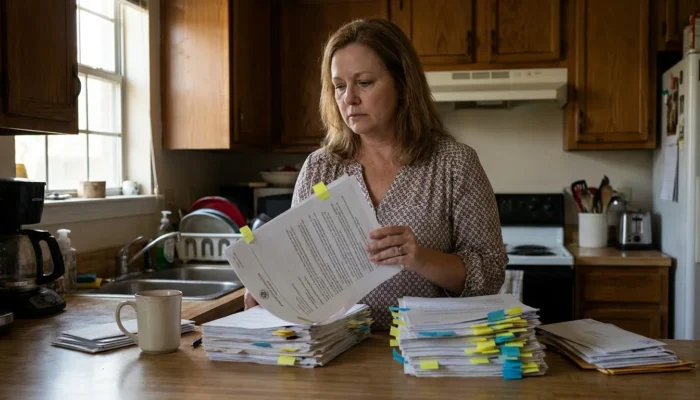
How Houston Homeowners Can Spot a Document Request Used as a Delay Tactic
Key Takeaways: Repeated document requests by Houston insurers can be legitimate, but a pattern of serial, repetitive demands unrelated to new findings may signal unlawful stalling. Under the Texas Prompt Payment of Claims Act, insurers must request all required items within 15 days and decide a claim within 15 business days after receiving everything. Excessive paperwork demands used to avoid reasonable investigation or timely coverage decisions can amount to bad faith under Chapter 541. Red flags include re-requests for documents already provided, demands unrelated to your loss, and repeated extensions without new findings. Texas offers remedies including statutory penalty interest (generally 18%, though storm claims under Chapter 542A use a different rate), actual damages, attorney’s fees, and up to treble damages for knowing violations. Careful documentation and acting before deadlines are the best ways to protect a stalled claim.
Repeated document requests can legitimately be part of an insurer’s investigation, but a pattern of serial, repetitive demands may signal a deliberate stalling strategy. When a Houston homeowner files a storm or property claim, Texas law sets firm timelines. If your carrier keeps asking for the same paperwork, sends new requests each time you respond, or never seems satisfied, the behavior may cross from diligent investigation into unlawful delay. Understanding the difference is the first step in knowing what to do if insurance company is stalling in Texas.
If you believe your carrier is using excessive documentation requests to wear you down, the team at Fitts Law Firm, PLLC is ready to help. Call our office at 713-871-1670 or reach out through our online case review form to discuss your situation with a Houston attorney focused on policyholder rights.

The Texas Prompt Payment Rules That Limit Insurer Delay
Texas law requires insurers to act quickly and front-load their document requests rather than spread them out over months. Under the Prompt Payment of Claims Act, Section 542.055 requires insurers to acknowledge receipt, commence investigation, and request all required items within 15 days of receiving notice. Carriers must identify the documents they reasonably need at the outset, not piecemeal over time.
The statute allows follow-up requests, but only within a narrow exception. Section 542.055(b) permits additional requests if, during the investigation of the claim, the additional requests are necessary. By contrast, a steady drip of repetitive demands unrelated to any actual discovery suggests the carrier is manufacturing reasons to keep the clock from stopping. You can review these provisions in the Texas Insurance Code’s prompt payment of claims chapter.
Once an insurer has everything it needs, the decision deadline begins to run. Section 542.056 requires the insurer to notify the claimant of acceptance or rejection not later than the 15th business day after receiving all required items, and it may request a single 45-day extension. Case law holds that if sufficient information has been provided for a claim determination, the deadline may have begun despite outstanding requests. An insurer generally cannot reset the clock simply by sending another request.
💡 Pro Tip: Keep a dated log of every document request and response. A clear timeline showing when you provided "all items, statements, and forms" can be powerful evidence that the statutory deadline has started.
When Repeated Document Requests Become Bad Faith Insurance Delay
Texas treats certain stalling behaviors not just as missed deadlines but as unfair settlement practices. Chapter 541 of the Texas Insurance Code protects policyholders from insurer misconduct. Among prohibited conduct, the statute lists failing within a reasonable time to affirm or deny coverage, failing to provide a reasonable explanation for denial, and refusing to pay without conducting a reasonable investigation.
An insurer cannot substitute endless paperwork demands for genuine investigation. Chapter 541 prohibits refusing to pay a claim without conducting a reasonable investigation, so a carrier that hides behind excessive documentation instead of evaluating your loss may be exposed to liability. Repeated requests used to circumvent the duty to affirm or deny coverage within a reasonable time can fit this pattern. You can read the provisions in the Texas Insurance Code’s unfair settlement practices chapter.
The statute is meant to be read in favor of prompt payment. Section 542.054 states the subchapter shall be liberally construed to promote prompt payment of insurance claims. Courts may consider this directive when an insurer argues ongoing document requests excuse delayed decisions.
Common red flags that a request may be a stalling tactic include:
- New requests for documents you already submitted, with no explanation of deficiencies
- Demands for records unrelated to the cause or scope of your loss
- Repeated extensions sought without any new investigative finding
- Refusal to issue a coverage decision long after you supplied everything reasonably required
If you recognize these patterns, it may be worth learning how an insurer can misuse delay tactics to avoid payment before your statutory deadlines slip away.
💡 Pro Tip: Respond to every request in writing, even if only to note that the requested item was already provided on a specific date. Written communication creates a paper trail documenting the insurer’s conduct.
What to Do if Insurance Company Is Stalling in Texas
Knowing what to do if insurance company is stalling in Texas starts with documentation and ends with understanding your legal remedies. Texas gives policyholders real financial tools to push back against insurance delay tactics in Houston. The penalties are designed to make stalling expensive for the carrier and compensate homeowners who endured delay.
The financial consequences of delay can be significant. Under Section 542.058, if an insurer delays payment beyond 60 days after receiving all requested items, it shall pay damages as provided by Section 542.060. For most first-party claims that penalty interest is 18% per annum, but for weather-related property claims governed by Chapter 542A, the rate is tied to the judgment rate under Finance Code Section 304.003 plus five percent. Additionally, Chapter 541 provides a private action, and Section 541.152 allows a prevailing plaintiff to recover actual damages, court costs, and reasonable attorney’s fees, and on a finding that the defendant knowingly committed the act, up to three times the amount of actual damages.
The table below summarizes remedies that may apply to a denied home insurance claim in Texas involving delay:
| Statutory Basis | Conduct Addressed | Potential Remedy |
|---|---|---|
| Section 542.058 / 542.060 | Payment delayed beyond 60 days after all items received | 18% annual penalty interest (a different statutory rate applies to storm claims under Chapter 542A) plus attorney’s fees |
| Section 541.060 | Unfair settlement practices, including unreasonable delay | Actual damages and attorney’s fees |
| Section 541.152 | Knowing violation of Chapter 541 | Up to three times actual damages |
These remedies depend on proof. A policyholder must show the insurer’s conduct violated the statute and, for enhanced damages, that the violation was "knowing." The treble damages provision serves as a powerful deterrent against insurers who deliberately use repeated document requests to wear down Houston homeowners.
💡 Pro Tip: Texas deadlines for filing suit are limited and courts interpret tolling exceptions narrowly. Do not assume ongoing negotiations or pending document requests will extend your time to act.
Practical Steps to Protect a Stalled Homeowners Claim
Protecting your claim is largely about preserving evidence and acting before deadlines pass. When you suspect homeowners claim stalling in Texas, organizing your file early can make a meaningful difference if litigation becomes necessary. Independent documentation often becomes the foundation for rebutting an insurer’s reports.
Consider gathering and preserving the following while your claim is open:
- Copies of your full policy, including declarations and endorsements
- Dated photos and videos of the damage and any temporary repairs
- All correspondence, emails, and the dated log of document requests
- Independent inspection reports or estimates that support the cause and scope of loss
Carefully maintained records help establish coverage, causation, and measurable damages. If you want a deeper understanding of your options, our overview of denied home insurance claim representation explains how these disputes are typically handled.
💡 Pro Tip: When an insurer’s engineer or adjuster blames pre-existing conditions or wear and tear, an independent inspection can directly counter that conclusion and strengthen your position.
Frequently Asked Questions
1. How long does an insurer have to decide my claim in Texas?
Generally, the carrier must act on a tight statutory schedule. Under Section 542.056, an insurer must notify the claimant of acceptance or rejection not later than the 15th business day after receiving all required items and may request a single 45-day extension.
2. Can an insurer keep requesting documents to avoid the deadline?
Not without limits. Additional requests are permitted if, during the investigation, the additional requests are necessary. A pattern of repetitive demands unrelated to new information may indicate bad faith insurance delay.
3. What damages can I recover if my insurer stalls?
Texas provides several remedies depending on the facts. These may include penalty interest under Section 542.060, 18% per annum for most claims or a rate tied to the judgment rate plus five percent for weather-related property claims under Chapter 542A, actual damages and attorney’s fees under Chapter 541, and up to treble damages for knowing violations.
4. Is repeated documentation always a sign of bad faith?
No, and that distinction matters. Some requests are legitimate parts of reasonable investigation. The concern arises when excessive documentation requests appear designed to delay a decision rather than evaluate the loss.
5. Should I keep responding to the requests?
In many cases, yes, while documenting everything. Continuing to respond in writing, while noting items already provided, preserves your cooperation and builds a record. Consulting an insurance claim attorney in Houston can help you decide your next step.
Moving Forward Against Insurance Delay Tactics
Repeated document requests are not always improper, but when they become a tool to avoid a timely coverage decision, Texas law offers Houston homeowners real protection. Between the prompt payment deadlines, the unfair settlement practices provisions, and the availability of penalty interest and enhanced damages, policyholders have meaningful leverage against carriers who stall. The strength of your position depends on careful documentation and a clear understanding of the governing statutes.
If you are facing a home insurance dispute in Texas and suspect your carrier is delaying payment, Fitts Law Firm, PLLC is prepared to review your claim and explain your options. Call us today at 713-871-1670 or schedule your consultation online to take the next step toward resolving your stalled claim.
