Author: fittslawfirm

Houston Law Firm desk nameplate beside stamped legal documents and case folders

What Is Bad Faith Denial and How Can a Houston Attorney Help?

When Your Home Insurance Claim Gets Denied: Understanding Bad Faith in Houston

Filing a homeowner’s insurance claim after storm damage can feel overwhelming, especially when met with a denial letter. Bad faith denial occurs when an insurance company unreasonably or dishonestly handles your claim, violating the implied covenant of good faith and fair dealing that Texas courts recognize. Many Houston homeowners facing claim denials, delayed payments, or lowball offers after hurricanes, hailstorms, or wind damage may not realize their insurer’s conduct could be unlawful. Understanding what bad faith denial means and how a denied insurance claim attorney in Houston can help is the first step toward protecting your rights.

If your home insurance claim was denied or underpaid, Fitts Law Firm, PLLC may be able to help you fight back. Call 713-871-1670 or reach out online to discuss your situation today.

law office cubicle desk with stacked case files, monitor, and office chair

What Is Bad Faith Denial Under Texas Law?

Bad faith describes an insurer’s unreasonable or dishonest conduct in handling a claim, violating the duty of good faith and fair dealing recognized under Texas law. When an insurance company violates this duty, it may be liable for damages beyond the original claim value. However, an insurer generally is not liable for bad faith merely because it denies a fairly debatable claim or genuine coverage dispute.

Texas law addresses bad faith through two primary statutes. Chapter 541 of the Texas Insurance Code, titled "Unfair Methods of Competition and Unfair or Deceptive Acts or Practices," governs unfair methods and deceptive acts in the insurance business. Chapter 542, titled "Processing and Settlement of Claims," includes the Texas Prompt Payment of Claims Act and sets deadlines for processing homeowner property claims.

First-Party vs. Third-Party Bad Faith

Not all bad faith claims look the same. First-party bad faith occurs when your own insurance company acts in bad faith on a claim you filed under your policy. Third-party bad faith generally involves an insurer’s handling of a claim made against its insured by a third party. For Houston homeowners dealing with storm damage or property losses, first-party bad faith claims are most common.

💡 Pro Tip: Keep a written log of every phone call, email, and letter exchanged with your insurer. Documentation can become critical evidence for proving bad faith.

How Texas Law Protects Homeowners From Unfair Claim Practices

Texas has strong policyholder protection statutes. Section 541.060 specifically prohibits unfair settlement practices, including misrepresenting material facts or policy provisions, failing to attempt in good faith to effectuate a prompt, fair, and equitable settlement, and failing to provide reasonable explanations for claim denials. These protections can apply broadly, but applicability depends on the policy type, specific conduct, and whether the actor qualifies as a "person" engaged in the business of insurance.

Section 542.003 adds another layer of protection. It prohibits knowingly misrepresenting pertinent facts or policy provisions, failing to acknowledge with reasonable promptness pertinent communications relating to a claim, failing to adopt and implement reasonable standards for the prompt investigation of claims, and not attempting in good faith to effect a prompt, fair, and equitable settlement of a claim in which liability has become reasonably clear. When your Houston home insurer engages in these prohibited behaviors, you may have grounds for a statutory claim.

Texas Prompt Payment Deadlines

The Texas Prompt Payment of Claims Act sets firm deadlines. These timelines apply to many homeowner’s claims, with statutory extensions and exceptions in particular cases.

Requirement Statute Deadline
Acknowledge claim and begin investigation § 542.055 Within 15 days of receipt (with limited exceptions)
Accept or reject the claim § 542.056 Within 15 business days of receiving all requested documentation (subject to statutory extension)
Pay an accepted claim § 542.057 Within 5 business days after notifying the claimant of acceptance (or within 5 business days after the claimant performs any required act if payment is conditioned on such performance); eligible surplus lines insurers have 20 business days

Violating these provisions triggers significant consequences. Under § 542.060, insurers may owe statutory interest (commonly 18% per year) on delayed claims, plus attorney’s fees, subject to applicable limitations and proof requirements.

💡 Pro Tip: Mark your calendar with claim submission dates. If your insurer misses statutory deadlines, that delay may support a prompt payment violation claim.

Common Examples of Bad Faith Home Insurance Denial in Houston

Houston homeowners face unique risks from hurricanes, hailstorms, flooding, and tropical weather, and insurers sometimes use these events to engage in bad faith practices. Common examples of bad faith insurance conduct include:

  • Denying valid claims without legitimate reasons
  • Intentionally delaying payment on covered losses
  • Failing to properly investigate damage
  • Demanding unreasonably excessive documentation
  • Offering settlements significantly below actual loss value
  • Intentionally misinterpreting policy language

These tactics can leave homeowners without funds to repair storm damage. If your insurer’s adjuster minimized your damage or denied your roof claim citing "pre-existing wear and tear" despite clear storm damage, these could indicate improper claim handling. However, insurers may lawfully deny or limit payment when exclusions apply, damage isn’t caused by a covered peril, or there’s reasonable basis to dispute causation or loss amount. An insurance bad faith attorney can evaluate whether your insurer’s actions crossed into unlawful conduct.

💡 Pro Tip: If your insurer’s adjuster undervalued your damage, hire an independent public adjuster or contractor for a separate estimate. Independent evidence effectively rebuts low assessments.

What Remedies Are Available for a Houston Homeowner Claim Denial?

Texas law provides meaningful remedies for policyholders proving bad faith. Chapter 541 includes a private right of action under Subchapter D (Section 541.151 et seq.) allowing lawsuits for certain prohibited acts. Potential remedies include actual damages, attorney’s fees, and for knowing violations, additional damages up to a statutory multiple of actual damages.

Before filing suit, Texas law requires a specific procedural step. Under § 541.154, claimants must generally provide 60 days’ written notice before filing suit under Chapter 541, unless an exception applies. That notice must specify the complaint and actual damages amount, including attorney’s fees. A denied insurance claim attorney in Houston can ensure proper drafting and timely submission.

Building a Strong Bad Faith Case

Proving bad faith requires more than showing claim denial. You typically must demonstrate the insurer lacked reasonable basis for its decision or failed to reasonably investigate or follow required procedures. Key elements include:

  • Evidence the insurer ignored or failed to investigate documentation
  • Proof the insurer missed statutory deadlines under Chapter 542
  • Independent estimates contradicting the insurer’s findings
  • Communication records showing delay, misrepresentation, or unreasonable demands

💡 Pro Tip: Never accept a denial at face value. Request detailed written explanation of why your claim was denied, citing specific policy provisions. This can reveal weaknesses in the insurer’s position.

How a Denied Insurance Claim Attorney in Houston Can Help

An attorney focused on denied home insurance claims can level the playing field. Insurance carriers have teams of adjusters, engineers, and lawyers minimizing payouts. A Houston insurance dispute lawyer can review your policy language, evaluate whether your insurer violated Chapter 541 or 542, gather independent damage evidence, and pursue the full range of Texas law remedies.

Your attorney can also handle procedural requirements that trip up many homeowners. From drafting the mandatory 60-day presuit notice to meeting filing deadlines, proper legal guidance protects your claim from technical dismissal. If you’re dealing with a bad faith home insurance dispute in Houston, working with an attorney who understands the Texas Insurance Code can meaningfully impact your case outcome.

💡 Pro Tip: Act promptly after receiving a denial. Statutes of limitations and procedural deadlines may limit how long you have to pursue bad faith claims. Earlier consultation preserves more options.

Frequently Asked Questions

1. What does bad faith denial mean for my homeowner’s insurance claim?

What is bad faith denial?

Bad faith denial means your insurer handled your claim unreasonably or dishonestly, such as denying or delaying payment without reasonable basis or failing to reasonably investigate. Under Texas Insurance Code Chapter 541, this includes misrepresenting policy terms, failing to promptly provide reasonable explanations for denials, or engaging in other prohibited unfair settlement practices. An insurer is generally not liable for bad faith when there’s a bona fide coverage dispute supported by reasonable basis.

2. How long does my insurer have to respond to my home insurance claim in Texas?

Texas claim processing deadlines

Under the Texas Prompt Payment of Claims Act, your insurer must acknowledge your claim and begin investigation within 15 days under § 542.055 (with limited exceptions). They must accept or reject the claim within 15 business days of receiving all requested documentation under § 542.056, with extensions in certain circumstances. If accepted, payment is generally due within 5 business days after the insurer notifies the claimant of acceptance (or within 5 business days after the claimant performs any required act if payment is conditioned on such performance); eligible surplus lines insurers have 20 business days under § 542.057. Missing applicable deadlines can trigger statutory interest and attorney’s fees under § 542.060.

3. What compensation can I recover if my insurer acted in bad faith?

Available remedies under Texas law

If you prove bad faith or statutory violations, you may recover actual damages and attorney’s fees under Texas Insurance Code Chapter 541, and for knowing violations, additional damages as allowed by statute. You may also recover statutory interest and attorney’s fees on certain delayed payments under § 542.060. Outcomes depend on specific facts and claims asserted.

4. Do I need to notify my insurance company before filing a bad faith lawsuit?

Presuit notice requirements

Yes, in many cases. Under Texas Insurance Code § 541.154, you generally must provide your insurer 60 days’ written notice before filing suit under Chapter 541 unless an exception applies. The notice must describe your complaint and state the actual damages amount you’re claiming, including attorney’s fees. Failing to comply can result in abatement and affect your ability to proceed efficiently.

5. What should I do if my Houston home insurance claim was denied after a storm?

Steps after a denial

Request a detailed written explanation of the denial, including specific policy provisions cited. Document everything, photos of damage, repair estimates, and all insurer communications. Then consult a denied insurance claim attorney in Houston who can assess whether your insurer’s conduct may constitute bad faith or another actionable violation under Texas law.

Protecting Your Home and Your Rights After a Claim Denial

A denied homeowner’s insurance claim doesn’t have to be the final word. Texas law provides strong protections through Texas Insurance Code Chapters 541 and 542, including processing deadlines, prohibitions against unfair settlement practices, and remedies when insurers violate applicable duties. Whether your claim was denied, underpaid, or delayed beyond statutory deadlines, understanding your rights is essential.

If you believe your home insurance company acted in bad faith, Fitts Law Firm, PLLC is ready to review your claim and help you understand your options. Call 713-871-1670 or contact us today to get started.

homeowner's insurance policy document with highlighted text beside denied claim letter

What Is a Policy Exclusion and Why Does It Cause Houston Claim Denials?

Understanding Policy Exclusions and Their Role in Houston Claim Denials

A policy exclusion is a provision in your homeowner’s insurance policy that removes coverage for specific types of losses, perils, or property. When you file a claim after a storm, roof leak, or other property damage, your insurer may point to an exclusion as the reason your claim does not qualify for payment. Many Houston homeowners receive denial letters with vague references to exclusions they never knew existed, leaving them frustrated and unsure of their next steps. Understanding what exclusions are, how insurers use them, and when a denial may be improper is essential to protecting your rights under Texas law.

If your homeowner’s claim was denied and you believe the exclusion cited does not apply, Fitts Law Firm, PLLC can help you evaluate your options. Call 713-871-1670 or reach out online to discuss your situation.

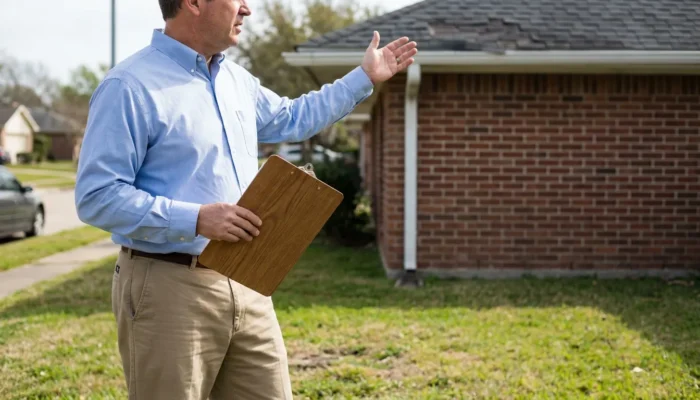
man holding clipboard inspecting exterior siding and gutter damage on residential home

How Policy Exclusions Work in Houston Home Insurance

Policy exclusions define the boundaries of what your insurer has agreed to cover. Every homeowner’s policy in Texas contains a declarations page listing covered perils and a separate section outlining exclusions. Common exclusions include flood damage (requiring a separate policy), earth movement, gradual wear and tear, and neglect. When a covered peril like wind causes damage but the insurer argues the real cause was a pre-existing maintenance issue, the exclusion becomes the battleground.

Texas regulators exercise oversight over exclusion language insurers place in policies. Under Texas Insurance Code §2301.006(a), an insurer may not deliver a policy form unless it has been filed with and approved by the commissioner. The commissioner may disapprove or withdraw approval of a policy form if it violates any law (including rules adopted under the Insurance Code) or contains a provision or a title or heading that is unjust or deceptive, encourages misrepresentation, or violates public policy; this authority applies to forms filed under §2301.006 but is subject to exceptions for certain large commercial risks and some commercial lines under §§2301.004 and 2301.0031.

💡 Pro Tip: Request a complete copy of your policy, including all endorsements and riders, immediately after a loss. Many homeowners only have a declarations page and have never read the exclusion section the insurer later relies on.

Common Insurance Denial Reasons Texas Homeowners Should Know

Houston homeowners face claim denials for various exclusion-related reasons, and not all hold up under scrutiny. Below is a comparison of frequently cited exclusions:

Exclusion Cited by Insurer What It Usually Covers When the Denial May Be Questionable
Wear and tear Gradual deterioration over time Storm damage is mischaracterized as pre-existing wear
Flood exclusion Rising water from external sources Wind-driven rain damage wrongly labeled as flood
Neglect Failure to protect property after loss Insurer claims neglect without evidence of homeowner inaction
Earth movement Settling, shifting, or sinkholes Foundation damage actually caused by plumbing failure
Cosmetic damage limitation Dents that do not affect function Hail damage impairs roof integrity but insurer calls it cosmetic

Insurers sometimes apply exclusions broadly or inaccurately to minimize payouts. If your property damage claim was denied based on one of these exclusions, the critical question is whether the exclusion actually applies to your loss. You can learn more about common reasons Houston home insurance claims get denied to better understand your situation.

What Texas Law Requires When Insurers Deny a Claim

Texas imposes specific procedural requirements on insurers during the denial process. Under Texas Insurance Code §542.055, an insurer must acknowledge receipt of your claim, commence investigation, and request necessary documentation within 15 calendar days. Section 542.056 requires the insurer to accept or reject the claim in writing within 15 business days after receiving all requested items. When a Houston insurer cites a policy exclusion, that reason must be clearly communicated in writing.

Failure to follow these timelines carries consequences. Under §542.060, insurers who fail to comply face penalties of 18% annual interest on the claim amount plus reasonable attorney’s fees. These unfair claim settlement practices provisions ensure policyholders receive prompt and fair treatment.

💡 Pro Tip: Document every interaction with your insurer in writing. If the adjuster tells you something over the phone, follow up with an email summarizing the conversation. Written records are critical for proving the insurer failed to meet statutory deadlines.

Your Right to a Written Explanation

When your insurer denies a claim, you are entitled to know exactly why. A denial letter stating only "excluded peril" or "not covered" may not satisfy Texas law requirements. Under §541.060, insurers are prohibited from failing to provide a reasonable explanation based in policy language and from misrepresenting material facts or policy provisions. If your denial letter lacks a reasonable explanation tied to specific policy language and your loss facts, you may have grounds to challenge the decision.

Unauthorized Policy Changes and Exclusions

Texas law protects homeowners from surprise coverage modifications. Under Texas Insurance Code §2301.006, all policy forms, including endorsements that alter coverage, must be filed with and approved by the Texas Department of Insurance before use. If your insurer added an exclusion using an unapproved form or without proper notice, that modification may not be enforceable.

💡 Pro Tip: Review renewal documents and policy change notices carefully each year. Insurers may introduce new exclusions or narrower coverage terms at renewal, and continued premium payment could be treated as acceptance.

When a Denied Insurance Claim Attorney in Houston Can Help

Not every denial based on a policy exclusion is legitimate. Insurers have teams of adjusters and engineers supporting their coverage decisions. Homeowners may be reading their policy for the first time after a loss. A denied insurance claim attorney in Houston can level the playing field by analyzing whether the exclusion was properly applied to your damage facts.

Texas Insurance Code Chapter 541 provides policyholders with powerful legal tools when insurers act in bad faith. This chapter defines and prohibits unfair or deceptive practices in the insurance business, including misrepresenting material facts or policy provisions, failing to provide reasonable explanations for denials, and failing to affirm or deny coverage within a reasonable time.

Policyholders who prove an insurer knowingly violated Chapter 541 may recover up to three times their actual damages under §541.152(b), plus attorney’s fees. "Knowingly" means actual awareness of the falsity, unfairness, or deceptiveness of the conduct. This treble damages provision serves as a strong deterrent against insurers who improperly wield exclusions to avoid paying valid claims.

The Implied Covenant of Good Faith and What It Means for Your Claim

Every insurance policy in Texas carries a common-law duty of good faith and fair dealing. When an insurer violates this duty by unreasonably denying a valid claim without legitimate basis, it may be liable for damages beyond the original claim value. This applies directly when insurers cite policy exclusions that do not match the actual cause of loss.

Failure to properly investigate before denying constitutes bad faith in many cases. If your insurer denied your Houston homeowner claim without inspecting the damage, reviewing your contractor’s estimate, or considering independent evidence of the cause of loss, that investigation failure could support a bad faith claim. An insurance coverage dispute Houston attorney can evaluate whether the insurer’s investigation met Texas law standards.

  • Unreasonable denial of a valid claim without legitimate reason
  • Misrepresenting what your policy exclusion actually says
  • Failing to investigate the cause of loss before applying an exclusion
  • Delaying acknowledgment or payment beyond statutory deadlines

💡 Pro Tip: Obtain your own independent damage assessment from a licensed contractor or public adjuster before accepting your insurer’s conclusion. Independent evidence can powerfully rebut an insurer’s exclusion-based denial.

Regulatory Oversight of Policy Exclusions in Texas

Texas regulators maintain broad authority to police unfair exclusion language. Under Texas Insurance Code §2301.007(a), the commissioner may disapprove or withdraw approval of a policy form if it violates any law (including rules adopted under the Insurance Code) or contains a provision or a title or heading that is unjust or deceptive, encourages misrepresentation, or violates public policy. That authority applies to forms filed under §2301.006 but is subject to exceptions for certain large commercial risks and some commercial lines under §§2301.004 and 2301.0031.

This regulatory framework means not every exclusion is beyond challenge. If an exclusion in your homeowner’s policy was never properly filed or approved, or if it conflicts with Texas public policy, the insurer’s reliance on that exclusion may be vulnerable.

💡 Pro Tip: If your insurer cannot point you to the specific policy page and paragraph containing the cited exclusion, ask for that reference in writing. You have every right to know the exact contractual basis for a denial.

Frequently Asked Questions

1. What should I do immediately after receiving a denial based on a policy exclusion?

Request the full denial in writing, including the specific policy language the insurer relies on. Compare that language to the actual facts of your loss and preserve all documentation, photographs, and contractor estimates related to the damage.

2. Can my insurer add an exclusion to my policy without telling me?

Generally, no. Under Texas Insurance Code §2301.006, all policy forms and endorsements must be filed with and approved by the Texas Department of Insurance, and your policy terms typically require notice of material changes. An exclusion appearing without proper notice or approval may not be valid.

3. How long does my insurer have to respond to my claim in Texas?

Under Texas Insurance Code §542.055, the insurer must acknowledge your claim within 15 calendar days. The insurer must accept or reject the claim within 15 business days after receiving all requested documentation under §542.056, and delayed payments can trigger 18% annual interest penalties.

4. What is insurance bad faith in the context of a denied homeowner claim?

Insurance bad faith occurs when an insurer violates its duty of good faith and fair dealing or Chapter 541 statutory prohibitions, such as denying a valid claim without legitimate reason, misrepresenting policy provisions, or failing to conduct proper investigation before applying an exclusion.

5. What damages can I recover if my insurer wrongfully denied my claim?

Beyond the original claim amount, you may be entitled to 18% annual interest under §542.060 and, if the insurer knowingly engaged in unfair practices under Chapter 541, up to three times your actual damages under §541.152(b). Attorney’s fees are also recoverable.

Protecting Your Rights After a Houston Claim Denial

Receiving a denial letter does not mean the conversation is over. Policy exclusions are legitimate parts of insurance contracts, but they must be applied accurately, supported by proper investigation, and communicated clearly under Texas law. When insurers stretch exclusions beyond their intended scope or fail to follow procedural requirements of Chapters 541 and 542, homeowners have legal avenues to fight back. Understanding where your insurer may have fallen short is key to determining your next move.

If you are a Houston homeowner dealing with a denied or underpaid property damage claim, Fitts Law Firm, PLLC is ready to review your policy and your insurer’s conduct. Call 713-871-1670 or contact us today to start exploring your options.

two people exchanging house-shaped keychain with keys outside residential building

47% of Texas Home Claims Go Unpaid: What Houston Homeowners Should Know

Nearly half of all home insurance claims in Texas end without a single dollar paid to the policyholder. For Houston homeowners who have endured hurricane damage, hail storms, or flooding, that statistic is alarming. It raises a critical question: is your insurance company handling your claim fairly, or are you one of many Texans left holding the bill for covered losses? Understanding the legal protections available is the first step toward recovering what you are owed.

If your claim has been denied, delayed, or underpaid, Fitts Law Firm, PLLC may be able to help you fight back. Call 713-871-1670 or reach out online to discuss your situation.

Why Are So Many Texas Home Insurance Claims Denied?

The 47 percent claims denied Texas figure reflects a troubling pattern of insurers finding reasons to minimize or avoid payouts altogether. Homeowners frequently receive denials based on disputed causation, alleged pre-existing damage, or broadly interpreted policy exclusions. In many cases, the insurer’s adjuster or engineer produces a report that contradicts what the homeowner observes.

Insurance bad faith occurs when an insurer unreasonably denies, delays, or underpays a valid claim. According to Justia’s insurance bad faith overview, bad faith describes an insurer’s failure to deal fairly with its policyholder’s claim. Houston homeowners are particularly vulnerable because high claim volumes after major weather events can lead insurers to adopt blanket denial strategies rather than evaluating each claim individually.

💡 Pro Tip: Always request a written explanation for any denial. Texas law requires insurers to state specific reasons for rejecting a claim under Tex. Ins. Code § 542.056(c), and vague language can itself be evidence of unfair handling.

two people exchanging miniature house model over signed legal contract document

Texas Laws That Protect Houston Homeowners From Unpaid Claims

Texas has some of the strongest policyholder protection statutes in the country. Two chapters of the Texas Insurance Code form the backbone of homeowner protections: Chapter 541 and Chapter 542.

Chapter 541: Unfair or Deceptive Acts and Practices

Texas Insurance Code Chapter 541 prohibits insurers from engaging in unfair methods of competition and unfair or deceptive acts or practices. Under Tex. Ins. Code § 541.060, insurers may not engage in unfair settlement practices, including failing to promptly and fairly settle claims when liability is reasonably clear. Homeowners harmed by Chapter 541 violations may pursue a private cause of action under Tex. Ins. Code § 541.151 to recover actual damages, court costs, and attorney’s fees. If the insurer acted knowingly, courts may award up to three times actual damages under Tex. Ins. Code § 541.152.

Chapter 542: Processing and Settlement of Claims

Chapter 542 governs the processing and settlement of claims and contains multiple subchapters protecting policyholders. Subchapter A addresses unfair claim settlement practices and grants TDI administrative enforcement authority. Subchapter B is the Prompt Payment of Claims Act, setting specific deadlines that hold insurance companies accountable for timely handling. Chapter 542A, enacted in 2017, imposes pre-suit notice requirements on policyholders bringing first-party property claims, including a mandatory notice letter sent at least 61 days before filing suit.

💡 Pro Tip: Document every interaction with your insurance company in writing. If a conversation happens by phone, follow up with an email summarizing the discussion. This creates a paper trail that may prove critical if you need to demonstrate bad faith later.

Deadlines Your Insurer Must Follow Under Texas Prompt Payment Laws

Texas prompt payment laws impose specific claims-handling deadlines your insurer cannot ignore. The table below outlines key statutory deadlines under Chapter 542, Subchapter B. In the event of a weather-related catastrophe or major natural disaster, these deadlines may be extended by an additional 15 days under Tex. Ins. Code § 542.059.

Requirement Statutory Deadline Code Section
Acknowledge receipt of claim and begin investigation Within 15 calendar days of receiving notice of the claim Tex. Ins. Code § 542.055
Accept or reject the claim after receiving all required items, statements, and forms Within 15 business days (if more time is needed, the insurer must notify the claimant of reasons and then accept or reject within 45 days of that notification) Tex. Ins. Code § 542.056
Issue payment after accepting the claim Within 5 business days Tex. Ins. Code § 542.057
Penalty for violating payment deadlines 18% annual interest on the claim amount plus reasonable attorney’s fees Tex. Ins. Code § 542.060

These deadlines apply to homeowner claims across the board, and prompt pay laws in Chapters 542, 843, and 1301 of the Insurance Code reinforce them. When an insurer blows past these timelines without proper justification, the policyholder gains significant legal leverage. The 18% annual penalty interest, combined with reasonable attorney’s fees, creates real financial accountability.

💡 Pro Tip: Mark the date you submitted your claim and every piece of requested documentation on a calendar. If your insurer misses statutory deadlines, that timing evidence may support a prompt payment violation claim.

What Is Insurance Bad Faith and How Does It Affect Your Houston Claim?

Insurance bad faith is not just an inconvenience; it is a recognized legal wrong under Texas law. When an insurer fails to attempt in good faith to effect a prompt, fair, and equitable settlement where liability has become reasonably clear, that insurer may be violating Tex. Ins. Code § 541.060. The Texas Department of Insurance takes these violations seriously, investigating allegations through complaint handling and market conduct exams.

For Houston homeowners, bad faith can take many forms. Your insurer might lowball a repair estimate, ignore your contractor’s assessment, or stop responding to communications. Each of these behaviors may constitute an unfair settlement practice. Working with a denied insurance claim attorney in Houston can help you evaluate your case.

💡 Pro Tip: Filing a complaint with TDI does not replace your right to pursue a civil claim, but it creates an official record of the insurer’s behavior. Consider doing both if your claim has been unreasonably delayed or denied.

Steps Houston Homeowners Should Take After a Claim Denial

If your home insurance claim has been denied or underpaid, acting quickly and strategically matters. Here are steps that may help protect your rights:

  • Request the full claim file from your insurer, including all adjuster reports, engineering assessments, and internal communications
  • Obtain an independent inspection or damage estimate from a licensed contractor or public adjuster not retained by the insurer
  • Keep copies of all written correspondence, photographs, and receipts related to the loss and any temporary repairs
  • Review your policy language carefully to understand coverage, exclusions, and conditions

Taking these steps creates a foundation of evidence that can support a breach-of-contract or bad faith claim. Many homeowners do not realize their insurer’s initial denial is not the final word. Texas law provides multiple avenues for challenging wrongful denials.

How a Denied Insurance Claim Attorney in Houston Can Help

An attorney experienced in policyholder claims can review your denial, identify Texas Insurance Code violations, and pursue the compensation your policy entitles you to receive. Legal claims under Chapter 541 may allow recovery of actual damages, court costs, and attorney’s fees, with possible treble damages under Tex. Ins. Code § 541.152 when the insurer acted knowingly. For first-party property claims, Chapter 542A may require a pre-suit notice letter at least 61 days before filing suit.

With 47 percent of claims going unpaid, Houston homeowners cannot afford to accept a denial at face value. Whether your claim involves hurricane wind damage, hail, or water intrusion, understanding your legal options is essential.

💡 Pro Tip: Many policyholders assume their only option after a denial is the insurer’s internal appeal process. In Texas, you generally have the right to file a civil lawsuit for breach of contract and bad faith, though Chapter 542A requires pre-suit notice for most first-party property claims.

Frequently Asked Questions

1. What does it mean when 47% of Texas home insurance claims go unpaid?

This statistic means nearly half of all home insurance claims filed in Texas result in no payment to the policyholder. Denials can occur for various reasons, including disputed causation, policy exclusions, or alleged failure to meet documentation requirements. In some cases, the denial may violate Texas Insurance Code provisions requiring fair and prompt claims handling.

2. How long does my insurer have to respond to my claim in Texas?

Under Tex. Ins. Code § 542.055, your insurer must acknowledge receipt and begin investigating within 15 calendar days. After receiving all requested items, the insurer generally has 15 business days to accept or reject the claim under Tex. Ins. Code § 542.056. If more time is needed, it must notify you of reasons within that 15-day window and then has 45 days from notification to decide. During weather-related catastrophes, deadlines may be extended by 15 days under Tex. Ins. Code § 542.059.

3. What penalties can an insurer face for late payment in Texas?

Insurers violating prompt payment deadlines under Tex. Ins. Code § 542.060 may owe 18% annual interest on the claim amount plus the policyholder’s reasonable attorney’s fees. This penalty creates significant financial incentive for compliance and can substantially increase total recovery.

4. Can I sue my insurance company for denying my claim in Houston?

Texas law generally allows policyholders to file civil lawsuits against their insurer for breach of contract and bad faith. Under Tex. Ins. Code § 541.151, homeowners may pursue actual damages, court costs, and attorney’s fees. If the insurer acted knowingly, courts may award up to three times actual damages under Tex. Ins. Code § 541.152. For most first-party property claims, Chapter 542A requires a pre-suit notice letter at least 61 days before filing suit.

5. Should I file a complaint with the Texas Department of Insurance?

Filing a complaint with TDI can be useful, though it is an administrative process separate from any civil lawsuit. TDI investigates unfair claims practices allegations and may take enforcement action. A TDI complaint also creates an official record that could support your legal case.

Protect Your Home and Your Rights Under Texas Law

Houston homeowners should not have to fight their own insurance company to recover from storm damage, water intrusion, or other covered losses. Yet with nearly half of Texas home claims ending without payment, too many policyholders find themselves in exactly that position. Texas Insurance Code Chapters 541 and 542 provide meaningful protections, including strict deadlines, penalty interest, and the right to sue for damages when an insurer acts in bad faith.

If your home insurance claim has been denied or underpaid, Fitts Law Firm, PLLC is ready to help you understand your options. Call 713-871-1670 or contact us today to get started.

law office desk with gavel, scales of justice, house model, keys, and legal documents

Can a Houston Attorney Help Reverse a Storm Damage Denial?

Yes, a denied insurance claim attorney in Houston can often help homeowners challenge and potentially reverse a wrongful storm damage denial. When your insurer refuses to pay for hail, wind, or hurricane damage to your home, Texas law provides powerful legal tools that protect policyholders. From statutory deadlines your insurer must follow to penalties for bad-faith claim handling, the legal framework in Texas strongly favors homeowners who take timely action.

If your storm damage claim was denied and you need guidance on your next steps, Fitts Law Firm, PLLC is ready to help. Call 713-871-1670 or reach out online to discuss your situation today.

Why Houston Homeowners Face Storm Damage Claim Denials

Houston’s Gulf Coast location makes it one of the most storm-prone metro areas in the country. Hurricanes, severe hail, high winds, and tropical storms regularly cause significant damage to residential properties. After filing a claim, many homeowners receive partial payments, lowball estimates, or outright denials. Common reasons insurers cite include alleged pre-existing damage, lack of documentation, missed filing deadlines, or disputes over the cause of loss.

These denials do not always reflect the actual terms of your policy. Insurers often rely on their own retained adjusters or engineers whose reports minimize damage scope. Texas law recognizes this imbalance and has enacted strong consumer protection statutes that give policyholders the ability to push back.

💡 Pro Tip: Always request a full written explanation from your insurer when a claim is denied. Under Texas Insurance Code § 542.056(c), the insurer must state the reasons for rejection in its written notice, and that document becomes important evidence if you later pursue legal action.

female real estate attorney holding house keys at desk with gavel and house model

What Texas Law Says About Unfair Insurance Practices

Chapter 541 of the Texas Insurance Code directly prohibits unfair methods of competition and deceptive acts or practices in the business of insurance. The stated purpose under Texas Insurance Code § 541.001 is to regulate trade practices by defining and prohibiting these unfair methods. Importantly, Texas Insurance Code § 541.008 directs that the chapter be liberally construed in favor of consumer protection.

The statute covers a wide range of parties involved in the claims process. Under Texas Insurance Code § 541.002(2), the definition of "person" includes insurance companies, agents, brokers, and adjusters. This means if any party in the chain engaged in unfair settlement tactics, they may face liability. Texas law also specifically lists prohibited unfair claim settlement practices, including failing to attempt good-faith settlements and refusing claims without conducting reasonable investigation (28 Tex. Admin. Code § 21.203).

Statutory Deadlines Your Insurer Must Follow

Texas imposes strict timelines on insurers through the Prompt Payment of Claims provisions. Once your insurer receives all items, statements, and forms required to secure final proof of loss, it has 15 business days to accept or reject the claim under Texas Insurance Code § 542.056. If the insurer needs additional time, it may request a single extension of up to 45 days but must notify you of the reasons in writing within that same 15-business-day period.

If the company delays payment beyond the statutory deadline, it may owe you penalty interest at 18% per year under Texas Insurance Code § 542.060. For weather-related property insurance claims subject to Chapter 542A (applicable to claims made on or after September 1, 2017), the penalty is a variable rate equal to 5% plus the post-judgment interest rate under Texas Finance Code § 304.003, yielding a total that can range roughly from 10% to 20% per year depending on the prevailing post-judgment rate. Attorney fees may also be recoverable if you sue and win, subject to the limitations set forth in Texas Insurance Code § 542A.007.

💡 Pro Tip: Keep a detailed log of every communication with your insurer, including dates, names of representatives, and what was discussed. This timeline can help demonstrate whether the company violated the 15-business-day acceptance or rejection requirement.

How a Denied Insurance Claim Attorney in Houston Builds Your Case

A qualified attorney can represent you across every stage of a Houston homeowner insurance dispute. This includes legal advice, negotiating a settlement, representing you in appraisal or mediation, and filing suit on your behalf. Many attorneys work on a contingency fee basis, meaning you generally do not pay unless you recover compensation.

Gathering Independent Evidence

One of the most valuable things an attorney does is secure independent evidence to counter insurer reports. Your insurer may have relied on its own adjuster or engineer to justify the denial. An attorney can help you obtain independent inspections, contractor estimates, and meteorological data that document the true extent of storm damage. This evidence is critical for proving both the existence of covered damage and the cause of loss.

Filing Suit Under the Texas Insurance Code

If negotiation and alternative dispute resolution do not produce a fair result, filing a lawsuit may be necessary. Under Chapter 541 of the Texas Insurance Code, Subchapter D provides a private right of action, meaning individual policyholders can sue insurers directly for violations. If a court finds the insurance company knowingly violated your rights, policyholders may recover up to three times their actual damages, plus court costs and reasonable attorney fees under Texas Insurance Code § 541.152.

💡 Pro Tip: Before filing suit, remember that Texas law enacted after September 1, 2017 requires you to provide your insurer with 61 days of pre-suit notice listing all of your damages. Failing to comply with this requirement could affect your ability to recover certain penalties.

Critical Deadlines: Statutes of Limitations for Storm Damage Claims

Time is one of the most important factors in any insurance denial case. In Texas, the statute of limitations for property damage claims is generally two years. Deceptive trade practices claims under both the DTPA and the Texas Insurance Code also carry a two-year statute of limitations. This means policyholders must generally file suit within two years of the denial or the unfair treatment that gave rise to the claim.

Courts in Texas interpret tolling exceptions and discovery rules narrowly. You should not assume any extension applies to your case without consulting an attorney. Missing the statute of limitations can permanently bar your claim, regardless of how strong your evidence may be.

Claim Type Statute of Limitations Key Requirement
Property damage 2 years File suit within 2 years of denial or damage
DTPA / Insurance Code violations 2 years 61-day pre-suit notice required (post-2017)
Prompt Payment penalties (Tex. Ins. Code § 542.060) Generally 2 years Insurer’s liability for delayed payment; insurer must accept/reject within 15 business days of receiving all items required to secure final proof of loss (Tex. Ins. Code § 542.056).

The Menchaca Decision and What It Means for Houston Policyholders

The Texas Supreme Court’s 2018 decision in USAA Texas Lloyds Co. v. Menchaca (545 S.W.3d 479) established five key rules governing when policyholders can recover damages for an insurer’s statutory violations. The case arose from a Hurricane Ike damage claim where the insurer denied coverage, making it directly relevant to storm damage denial scenarios in Houston.

For homeowners, the practical takeaway is that your right to recover generally depends on proving that a covered loss occurred and that your insurer’s conduct caused you harm. An attorney with extensive experience in these cases can evaluate where your claim fits within the court’s framework.

💡 Pro Tip: Even if your insurer offered a partial payment, you may still have a valid claim for the underpaid portion. A partial payment does not necessarily mean the insurer fulfilled its obligations under your policy.

Steps to Take After Your Storm Damage Claim Is Denied

Acting quickly and strategically after a denial can make a significant difference in your outcome. Here are steps Houston homeowners should consider:

  • Request the full written denial and review it against your policy language
  • Document all damage with photographs, videos, and written descriptions
  • Obtain independent repair estimates from licensed contractors
  • Keep copies of all letters, emails, and notes from phone calls with your insurer
  • Consult a Texas storm damage attorney to evaluate whether the denial was lawful

If your insurer used unfair settlement tactics, you may have grounds for a bad-faith claim in addition to a breach-of-contract action. Texas Insurance Code § 541.003 explicitly prohibits engaging in deceptive trade practices in the business of insurance. When you explore your legal options after a storm damage denial, an attorney can help identify which causes of action apply.

💡 Pro Tip: Do not sign any release or accept a "final" settlement offer from your insurer without first having an attorney review it. Once you sign, you may waive your right to pursue additional compensation.

Frequently Asked Questions

1. How long do I have to file a lawsuit after my storm damage claim is denied in Texas?

In Texas, the statute of limitations for property damage claims and deceptive trade practices claims under the Texas Insurance Code is generally two years. This period typically begins when the denial or unfair conduct occurs. Courts interpret tolling exceptions narrowly, so consulting an attorney promptly is important.

2. What penalties can an insurer face for wrongfully denying my claim?

If a court finds your insurer knowingly violated your rights under Chapter 541 of the Texas Insurance Code, policyholders may recover up to three times their actual damages plus court costs and reasonable attorney fees under Texas Insurance Code § 541.152. Additionally, insurers that violate Prompt Payment provisions may owe penalty interest at 18% per year under Texas Insurance Code § 542.060. For weather-related property claims subject to Chapter 542A (claims made on or after September 1, 2017), the penalty rate is calculated as 5% plus the post-judgment interest rate under Texas Finance Code § 304.003, resulting in a total that can range roughly from 10% to 20% per year. Attorney fees may also be recoverable, subject to the limitations set forth in § 542A.007.

3. What is the 61-day pre-suit notice requirement?

Under Texas law enacted after September 1, 2017, you must notify your insurance company of your intent to sue at least 61 days before filing. This notice must list all of your claimed damages. Failure to provide proper notice may limit available remedies.

4. Can an attorney help if my claim was underpaid rather than fully denied?

Yes. A denied insurance claim attorney in Houston can evaluate whether the payment you received reflects the actual scope of covered damage. Underpayment may constitute breach of contract or an unfair settlement practice under Texas law, and you may be entitled to additional recovery.

Protecting Your Home and Your Rights After a Storm

A denial letter from your insurance company is not the final word on your claim. Texas law provides homeowners with meaningful protections against unfair and deceptive insurance practices, including strict deadlines insurers must follow, penalties for bad-faith conduct, and the right to sue for damages under Chapter 541 of the Texas Insurance Code. Understanding your legal rights is essential to achieving a fair outcome.

If your Houston home suffered storm damage and your insurer denied or underpaid your claim, Fitts Law Firm, PLLC can help you evaluate your options. Call 713-871-1670 or contact us today to get started.

What Is a Denied Insurance Claim in Texas Homeowner Cases?

A denied insurance claim occurs when your insurance company reviews your request for payment and decides it will not cover the reported loss. For Houston homeowners, this can be devastating after a major storm, roof failure, or water damage event requiring costly repairs. Under Texas law, you may have legal options to challenge the decision depending on your policy terms, the reason given, and whether the insurer followed proper claims-handling procedures. Understanding what a denied insurance claim means and what Texas law requires is the first step toward protecting your home and rights.

If your homeowner claim was denied and you need answers, Fitts Law Firm, PLLC is here to help. Call 713-871-1670 or reach out online to discuss your situation today.

How a Homeowner Insurance Claim Works in Texas

When you experience property damage, the claims process begins the moment you notify your insurer. You file a formal request describing the damage, and your insurance company investigates. An adjuster or appraiser evaluates the damage and determines if repair estimates are reasonable. For homeowners’ insurance claims, a building contractor cannot file the claim directly with the insurance company on your behalf; only licensed public adjusters or attorneys may represent policyholders in claim negotiations.

The insurer then makes a coverage determination based on your policy language and their investigation. If they accept the claim, they issue payment. If they deny it, they must provide a written explanation. Texas law imposes strict timelines on this process, and insurers who fail to meet deadlines may face penalties.

💡 Pro Tip: Always request your denial in writing. A written explanation helps you and your attorney identify whether the insurer followed proper procedures.

senior couple seated at table reviewing documents with professional advisor

Common Reasons Insurers Deny Houston Homeowner Claims

Insurance companies deny homeowner claims for various reasons, some legitimate and some questionable. Understanding the stated reason is critical to determining your next steps. Common reasons include lapsed policies, disputed damage causation, and allegations of misrepresentation.

Policy Lapses and Coverage Gaps

If your premiums were not current at the time of loss, the insurer may argue your policy had lapsed. This is one of the most straightforward grounds for denial. However, disputes can arise over payment timing or whether proper cancellation notice was given.

Disputed Cause of Damage

Insurers frequently contest the cause of damage, particularly after storms. They may send engineers or adjusters who attribute damage to pre-existing conditions, wear and tear, or maintenance neglect rather than the covered event. This is especially common in Houston, where hurricanes, hail, and flooding cause overlapping damage types.

Allegations of Misrepresentation

If an insurance company determines the policyholder lied about loss details, it could deny the claim or cancel the policy. Even minor inconsistencies can be used against you, which is why careful, accurate documentation from the start matters.

💡 Pro Tip: Take dated photos and videos of all damage immediately after a loss event. Independent documentation strengthens your position if the insurer disputes the cause or extent of damage.

Texas Laws That Protect Homeowners From Unfair Denials

Texas has enacted specific statutes to regulate how insurers handle claims and to penalize bad-faith conduct. Two key chapters of the Texas Insurance Code directly govern homeowner insurance disputes.

The Prompt Payment of Claims Act and Unfair Settlement Practices

Chapter 542 of the Texas Insurance Code contains two key subchapters that protect policyholders. Subchapter A (§§542.001 through 542.014) is the Unfair Claim Settlement Practices Act, which prohibits deceptive claims-handling conduct and applies to fire, casualty, hail, and storm insurance companies under §542.002. Subchapter B (§§542.051 through 542.061), the Prompt Payment of Claims Act, establishes specific deadlines for insurers to acknowledge claims, accept or reject them, and issue payment.

Under §542.060, an insurer that fails to comply is liable for interest on the claim amount plus reasonable attorney’s fees. For most claims, the interest rate is 18% per year. For weather-related property damage claims subject to Chapter 542A, the interest rate is five percentage points above the statutory judgment interest rate, typically resulting in a lower rate.

Chapter 544 Protections Against Discriminatory Practices

Texas Insurance Code §544.002 prohibits insurers from refusing to insure, limiting coverage, or charging different rates based on protected characteristics. Chapter 544 also includes provisions directly relevant to Houston homeowners. Subchapter G (§544.303) prohibits certain underwriting decisions based on previous mold claims or damage. Subchapter H (§544.353) restricts the use of claims history for water damage in underwriting decisions, particularly significant in Houston’s flood-prone environment.

Violations of Chapter 544 subject insurers to sanctions under Chapter 82 or administrative penalties under Chapter 84, and the commissioner may issue cease and desist orders under Chapter 83.

💡 Pro Tip: If your insurer denied a new policy or raised rates because of a prior mold or water damage claim, this may violate Chapter 544. Document the denial and discuss it with a denied insurance claim attorney in Houston.

Key Deadlines and the Statute of Limitations

Time limits play a critical role in Texas homeowner insurance disputes, both for the insurer’s obligations and for your right to file a lawsuit.

Deadline Type Applicable Law Key Detail
Insurer must acknowledge claim Texas Insurance Code §542.055 Within 15 days after receiving notice of claim (30 business days for surplus lines insurers)
Insurer must accept or reject Texas Insurance Code §542.056 Within 15 business days after receipt of all required documentation, with a possible 45-day extension
Insurer must pay accepted claim Texas Insurance Code §542.057 Within 5 business days after notifying claimant of acceptance (20 business days for surplus lines insurers)
Breach of contract lawsuit Texas Civil Practice & Remedies Code §16.051 Four-year statute of limitations
General civil limitations Texas Civil Practice & Remedies Code Ch. 16 Most civil statutes range from one to four years

Breach of contract claims in Texas generally carry a four-year statute of limitations under §16.051. However, your policy may contain a shorter contractual limitations period (no less than two years under §16.070(a)) that could override the statutory default. If you do not file your lawsuit within the applicable period, your claim will likely be barred.

💡 Pro Tip: Do not wait until the last minute to explore legal options. The sooner you act after a denial, the easier it is to preserve evidence and meet all deadlines.

What to Do After Your Houston Homeowner Claim Is Denied

A denial letter is not the final word on your claim. There are concrete steps you can take to challenge the decision:

  • Review the denial letter carefully. Identify the specific reason and compare it to your policy language.
  • Gather independent evidence. Obtain your own repair estimates, photographs, and contractor assessments that may contradict the insurer’s findings.
  • Document all communications. Keep copies of every letter, email, and note from phone conversations.
  • Request your full claim file. You are entitled to see the documents and reports the insurer relied on.
  • Consult a lawyer promptly. An experienced denied insurance claim attorney in Houston can evaluate whether the insurer violated Texas law or acted in bad faith.

How a Denied Insurance Claim Attorney in Houston Can Help

Challenging an insurance denial on your own can be difficult when the insurer has adjusters, engineers, and legal teams working on their side. A denied insurance claim attorney in Houston understands the Texas Insurance Code provisions that protect policyholders and can identify whether your insurer failed to meet its statutory obligations.

An attorney can help you pursue the full remedies available under Texas law, including the statutory interest penalty under §542.060, recovery of the original claim amount, and other damages. If you are unsure where to start, learning what to do after a denial can help you take the right first steps.

💡 Pro Tip: Before signing anything from your insurer after a denial, including settlement offers or releases, have an attorney review it. Signing prematurely could limit your ability to recover what you are owed.

Frequently Asked Questions

1. What is a denied insurance claim in a Texas homeowner case?

A denied insurance claim is a formal determination by your insurer that it will not pay for the property damage you reported. The denial may be based on policy exclusions, disputed cause of damage, a lapsed policy, or other grounds. Texas law requires the insurer to follow specific procedures and timelines when denying a claim.

2. How long do I have to file a lawsuit after my home insurance claim is denied in Texas?

Breach of contract claims against an insurer generally fall under a four-year statute of limitations in Texas under Civil Practice and Remedies Code §16.051. However, your policy may contain shorter contractual deadlines (no less than two years under §16.070(a)). Consult an attorney promptly to avoid missing critical deadlines.

3. Can my insurer deny future coverage because of a past mold or water damage claim?

Texas Insurance Code §544.303 prohibits certain underwriting decisions based on previous mold claims or damage, and §544.353 restricts the use of water damage claims history in underwriting. If your insurer penalized you based on prior claims, this may constitute a violation.

4. What penalties does an insurer face for violating Texas claims-handling rules?

Under Texas Insurance Code §542.060, an insurer that fails to comply with prompt payment requirements is liable for interest on the claim amount plus reasonable attorney’s fees. For most claims, the interest rate is 18% per year, but for weather-related property damage claims subject to Chapter 542A, the rate is five percentage points above the statutory judgment interest rate. Violations of Chapter 544 can result in sanctions under Chapter 82, administrative penalties under Chapter 84, or cease and desist orders under Chapter 83.

5. Should I accept my insurer’s first settlement offer after a partial denial?

Not necessarily. Initial offers may not reflect the full cost of repairs or the full scope of your covered loss. An independent damage assessment and legal review of the offer can help ensure you do not settle for less than what your policy entitles you to receive.

Protecting Your Home Starts With Knowing Your Rights

A denied homeowner insurance claim does not mean you are out of options. Texas law provides meaningful protections for policyholders, including strict deadlines insurers must follow and significant penalties when they do not. Whether your Houston home was damaged by a hurricane, hail, or water intrusion, understanding why your claim was denied and what the law requires puts you in a stronger position to fight back.

If your Texas homeowner insurance claim was denied or delayed, Fitts Law Firm, PLLC can help you understand your options. Call 713-871-1670 or contact us today to get started.