
Understanding the Dollar Cap Insurers Place on Mold Cleanup in Houston Homes
Key Takeaways: A mold remediation coverage limit is the maximum amount a homeowners policy will pay to remove, clean, and treat mold after a covered loss, typically a small sublimit in Texas rather than your full dwelling limit. Texas Occupations Code § 1958.001(6) defines mold remediation broadly, covering removal, cleaning, sanitizing, demolition, and preventive work. After Texas Department of Insurance rulemaking reshaped homeowners forms, many policies now exclude mold generally, then carve back coverage for ensuing mold from sudden and accidental water discharge, while separately limiting or excluding remediation and testing costs. Baseline sublimits typically start near $5,000, while purchased endorsements can raise coverage to higher amounts or, on some forms, full policy limits. Coverage disputes turn on causation, policy wording, deductibles, and valuation method. Section 544.303 restricts how insurers use prior mold claims in underwriting when its conditions are met, though the subchapter’s definition of "insurer" excludes surplus lines carriers, TWIA, and the FAIR Plan. Careful documentation, a full policy copy with endorsements, and independent assessment are the most effective responses to denied or underpaid mold claims.
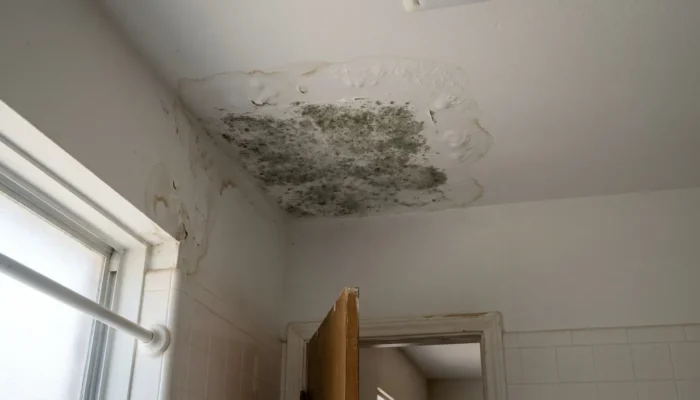
A mold remediation coverage limit is the maximum dollar amount your homeowners policy will pay to remove, clean, and treat mold after a covered loss, and in Texas that number is usually far smaller than your dwelling limit. Under Texas Occupations Code § 1958.001(6), "mold remediation" means the removal, cleaning, sanitizing, demolition, or other treatment, including preventive activities, of mold or mold-contaminated matter that was not purposely grown at that location. That definition matters because a policy cap written around that category reaches more than the visible patch of drywall, though what your policy covers depends on its defined terms. Many Houston policies pay for ensuing mold damage from sudden and accidental water discharge while separately capping, or excluding, remediation and testing costs.
If your insurer has denied, delayed, or underpaid a mold claim, the team at Fitts Law Firm, PLLC can review your policy language and the adjuster’s findings. Call 713-871-1670 or contact us now to discuss your options with a Houston insurance claim attorney.
How the Texas Department of Insurance Shaped Mold Coverage Limits
The caps on your policy did not appear at random. After costly mold litigation in the early 2000s, Texas regulators and the Legislature moved away from promulgated homeowners forms, allowing carriers to file their own forms rather than carry the broad water and mold exposure the standard forms had required. The Texas Department of Insurance acknowledged that consumers may be offered policies with substantially reduced water damage and mold damage coverage compared with what was previously available. That regulatory shift is why modern Houston homeowners policies commonly contain mold sublimits rather than full dwelling-limit protection.
Mandatory endorsement language does much of the work. The TDI mold endorsement language generally excludes loss caused by mold, then carves back coverage for ensuing mold damage from sudden and accidental discharge of water, while stating the policy does not cover remediation costs, including testing, unless remediation coverage is added. Reading those provisions together is where most disputes begin. A carrier may concede the water loss was covered yet argue the decontamination invoice falls outside the policy or above the sublimit.
What the Limit Typically Looks Like
Texas mold policy limits are usually expressed as a flat dollar figure or a percentage of Coverage A. Regulators developed approaches permitting insurers to provide a minimum level of mold remediation coverage, such as $5,000, unless the policyholder purchases broader coverage. Homeowners who want more protection buy it through an approved endorsement, with specific options varying by carrier and filed form.
| Coverage Approach | What It Generally Means |
|---|---|
| Baseline sublimit | A modest built-in cap, often around $5,000 |
| Purchased endorsement | Higher selected caps, such as $15,000, $25,000, or $50,000 |
| Full policy limits option | Available on some approved forms, subject to underwriting |
| No remediation coverage | Testing and decontamination excluded entirely |
Why Your Mold Remediation Coverage Limit Texas Homeowners Rely On May Not Apply
A sublimit only helps if the underlying loss is covered. Mold that develops as a secondary problem from covered water damage may qualify for remediation payment, making the cause of loss the central battleground. Insurers frequently argue the moisture came from long-term seepage, maintenance failure, or flooding rather than a sudden pipe break. Our discussion of policy exclusions in Houston claims walks through the mechanics.
Policy type also influences the analysis. Some property policies are written on an all-risk basis, where the insured proves a covered loss and the insurer bears the burden of proving an exclusion applies. Most forms contain exclusion lists covering mold, rot, corrosion, wear and tear, and faulty workmanship. Many Texas homeowners forms also exclude perils such as sewer backup and dry rot absent an endorsement. Whether a particular exclusion defeats your claim depends on specific wording and causation evidence.
- Sudden and accidental discharge: generally the strongest posture for ensuing mold coverage
- Long-term leak: frequently disputed and often excluded, subject to policy wording
- Flood or surface water: typically outside a standard homeowners policy altogether
- Construction or repair defects: commonly excluded, though ensuing loss clauses may matter
💡 Pro Tip: Photograph and date every stage of the water intrusion before remediation begins. Once affected material is removed, proving the moisture was sudden rather than gradual becomes considerably harder.
Legal Protections for Houston Policyholders With Past Mold Claims
Texas law limits how carriers may treat prior mold history. Under Tex. Ins. Code § 544.303, an insurer may not make an underwriting decision regarding a residential property insurance policy based on previous mold damage or a mold damage claim if all statutory conditions are met: the applicant has property eligible for coverage, the property had mold damage, mold remediation was performed, and the property was either remediated as evidenced by a certificate of mold remediation issued under § 1958.154 of the Occupations Code, or inspected by an independent assessor who determined the property does not contain evidence of mold damage. Because the test is conjunctive, missing documentation can defeat the protection.
That protection does not reach every carrier. Section 544.301 defines "insurer" for the subchapter in a way that excludes eligible surplus lines insurers under Chapter 981, the Texas Windstorm Insurance Association under Chapter 2210, and the FAIR Plan Association under Chapter 2211. Houston homeowners placed with those entities may not receive the same statutory shield. Confirming which type of insurer holds your policy is a practical first step.
Reading Your Renewal Documents Carefully
Limits can change at renewal. Consumer advocates advise reviewing your policy after renewal to see whether mold coverage limitations have been inserted. A carrier may reduce a $25,000 Texas mold endorsement to a baseline sublimit, subject to any notice requirements that apply to policy changes. Prior water damage claims can also make coverage harder or costlier to obtain, and Section 544.353 separately restricts how water damage claims history may be used.
Practical Steps When a Houston Mold Claim Is Denied or Underpaid
Documentation drives outcomes in mold disputes. Because causation is fact-dependent, independent evidence often carries the day. Consider the following before accepting a denial or a payment capped at the sublimit:
- Request the full policy, including every endorsement and declarations page
- Obtain the insurer’s engineering or industrial hygiene report in writing
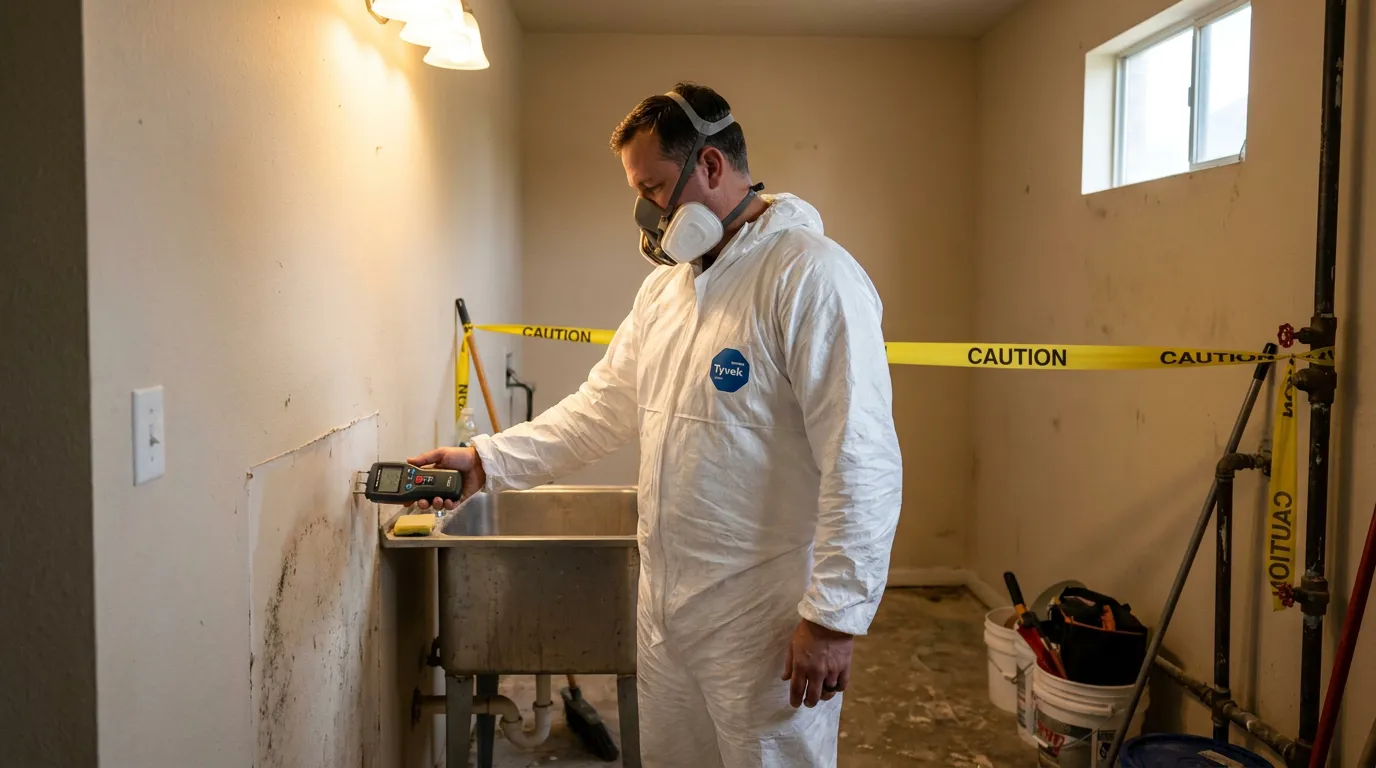
- Retain an independent moisture or mold assessor to evaluate causation
- Keep dated invoices separating structural repair from remediation and testing
- Preserve written communications, including claim-handling correspondence
💡 Pro Tip: Ask the adjuster in writing to identify the exact policy provision and sublimit relied upon. A vague denial is much harder to defend once specific language is demanded.
How Deductibles and Valuation Interact With the Sublimit
Your deductible generally applies before the mold cap is reached. A deductible is the amount you must absorb after a loss before the insurer’s payment obligation begins. Valuation matters too: replacement cost, actual cash value, and guaranteed replacement cost each produce different payouts, and replacement cost policies often pay actual cash value until repairs are completed. Consumer resources explaining homeowners insurance basics can help you place a sublimit in context. In many cases, homeowners recover less than expected because the deductible and mold cap both reduce payment on a single loss.
Frequently Asked Questions
1. Does every Houston homeowners policy include mold remediation insurance?
Not necessarily. Many Texas forms exclude remediation costs unless a mold endorsement was purchased, so the answer depends on your declarations page and attached endorsements.
2. Can I raise my mold coverage limit?
Generally yes, subject to underwriting and availability. TDI-approved endorsements permit homeowners to select higher amounts, and some forms allow coverage up to policy limits, though options vary by carrier.
3. My insurer paid the water damage but refused the remediation invoice. Is that allowed?
It may be, depending on wording. Common language covers ensuing mold from sudden and accidental discharge while separately limiting remediation and testing costs, so the distinction is often legitimate but also frequently applied too broadly.
4. Can an insurer refuse to renew because of an old mold claim in Houston?
Section 544.303 restricts underwriting decisions based on prior mold damage or claims when remediation was completed and documented as the statute requires. It does not apply to insurers excluded from the subchapter’s definition, such as surplus lines carriers, TWIA, and the FAIR Plan.
5. How long do I have to challenge a denial?
Deadlines depend on your policy’s suit limitation provision and applicable Texas statutes of limitations. Courts generally construe tolling exceptions narrowly. Prompt review by counsel is advisable rather than assuming an extension applies.
Protecting the Coverage You Actually Paid For
A mold remediation coverage limit in Texas is a regulated, negotiated sublimit that reflects how Texas law and Department of Insurance rulemaking reshaped the mold exposure carriers assume. Understanding your endorsement, the ensuing-loss language, and the causation evidence gives you a realistic view of what your policy should pay. Every claim turns on its own facts, policy wording, and documentation.
If a carrier has capped, delayed, or denied your remediation payment, a mold remediation coverage limit texas lawyer at Fitts Law Firm, PLLC can evaluate your claim. Call 713-871-1670 or reach out today to get started.
