
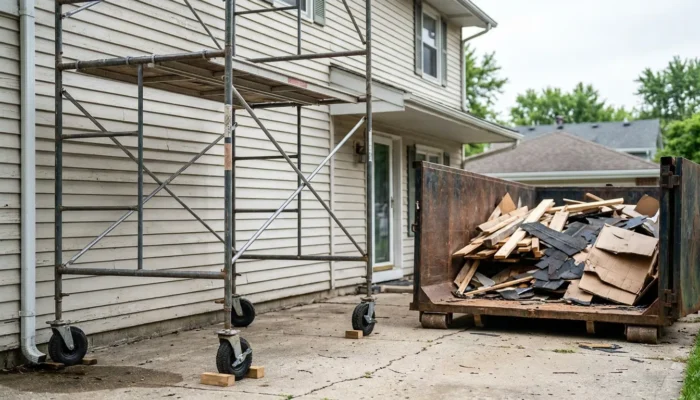
Understanding the Hidden Costs in Your Houston Home Repair Estimate
Key Takeaways: Besides labor and materials, overhead and profit (O&P) generally pays for a contractor’s business costs of managing your repair, such as supervision, scheduling subcontractors, permits, insurance, and office work. The profit portion pays the contractor for the risk of a multi-trade repair. It is often figured as "10 and 10," meaning 10% overhead plus 10% profit. Insurers often pay O&P when a loss is complex enough to reasonably need a general contractor, but no Texas statute requires it in every claim. Texas Insurance Code Chapter 541 bars insurers from misrepresenting coverage, refusing to pay without a reasonable investigation, or failing to promptly explain a denial or reduction. A policyholder who wins may recover actual damages, court costs, and attorney’s fees, and up to three times actual damages if the insurer acted knowingly. A policyholder generally must give 61 days’ written notice before suing, and some exceptions and limits apply. Keep careful records, make O&P requests in writing, and be careful about signing a release while O&P is still in dispute.
Overhead and profit (O&P) generally covers the business costs a general contractor incurs to manage your repair, beyond the raw price of labor and materials. These costs typically include supervision, scheduling subcontractors, pulling permits, carrying business insurance, and administrative work. The profit portion pays the contractor for the risk of running the job. For Houston homeowners recovering from hail, wind, or hurricane damage, understanding O&P can help you spot an underpaid claim before you accept a short settlement.
If your insurer left O&P out of your estimate or denied part of your claim, you can talk with a lawyer before you sign anything. Fitts Law Firm, PLLC helps Texas policyholders review disputed estimates and insurer conduct. Call 713-871-1670 or contact us now to discuss your situation.
The Overhead and Profit Insurance Definition Explained
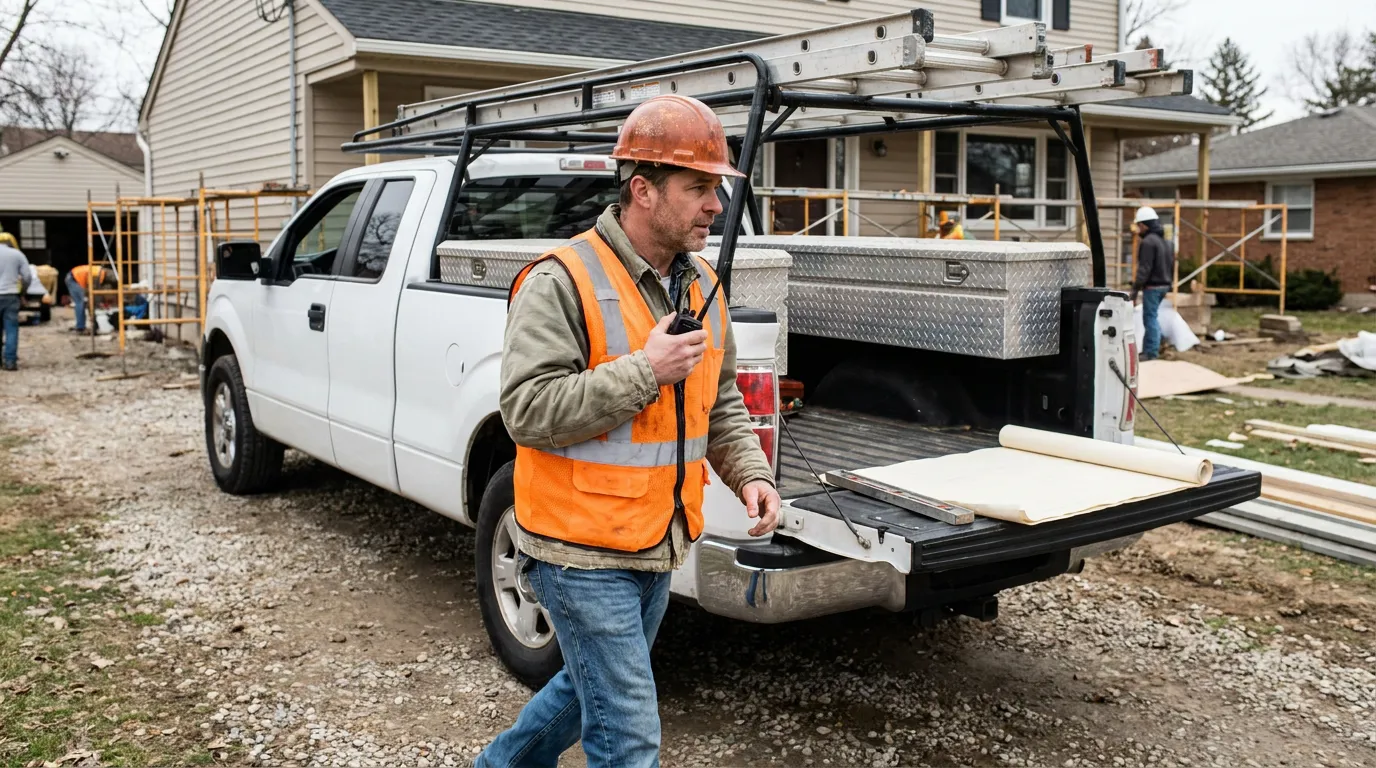
Overhead and profit are standard markups commonly added to a repair estimate to pay a general contractor for managing and coordinating subcontractors on complex jobs. These markups are separate from the direct cost of labor and materials. A roofer’s wage and the price of shingles show up as line items. The work of planning the job, keeping crews on schedule, and making sure the repair passes inspection generally does not.
Many estimates express O&P as a percentage of the repair cost. A common convention is 10% overhead and 10% profit, often called "10 and 10," though actual percentages can vary. Insurers and contractors often build estimates in software such as Xactimate, which lets the adjuster add O&P as a separate line. Whether that line appears often depends on how the adjuster views the job’s complexity.
What Overhead Covers
Overhead generally covers the costs of running a business and managing your specific project. Common components include:
- Project supervision and on-site management
- Scheduling and coordinating multiple trades, such as roofing, gutters, siding, and drywall
- Obtaining permits and arranging inspections
- General liability and workers’ compensation insurance
- Office staff, accounting, and administrative tasks
- Vehicles, equipment, and job-site cleanup
What Profit Covers
Profit is the contractor’s return for taking responsibility for the project and its risks. A general contractor managing a multi-trade repair typically takes on liability for subcontractors’ work quality, delays, and cost overruns. Without profit, few legitimate contractors would likely agree to manage a complex storm repair.
💡 Pro Tip: Ask your contractor for a written breakdown of which trades the project requires and who will coordinate them. A clear list can help show that a general contractor is reasonably needed.
When Insurers Are Expected to Pay O&P
Insurers often pay O&P when the complexity of the loss reasonably requires a general contractor. The Texas Department of Insurance’s roofing and insurance guidance offers consumers information on roofing claims and contractor practices. Adjusters generally look at whether multiple trades must be coordinated.
Consumer advocacy groups take a similar view. United Policyholders notes that many courts and state regulators treat O&P as a legitimate, payable cost when the loss reasonably requires the contractor to use subcontractors. This is advocacy guidance, not a statute requiring O&P in every claim. Your policy language and the facts of your loss carry significant weight.
Common Reasons Adjusters Leave O&P Out
Adjusters may exclude O&P for several reasons, and some hold up better than others. The table below compares common insurer positions with questions a homeowner might raise.
| Insurer’s Position | Questions to Raise |
|---|---|
| "The job involves only one trade." | Does the repair actually require roofing, gutters, interior, or electrical work? |
| "O&P is never owed." | Does the policy actually say that, or is the adjuster misstating it? |
| "O&P is paid only after repairs are done." | What does the policy say about replacement cost holdback? |
| "You don’t need a general contractor." | Who will pull permits and coordinate crews? |
Texas Laws That Protect You When O&P Is Cut
Texas law prohibits certain unfair settlement practices, and several may apply when an insurer cuts O&P. Under Texas Insurance Code Chapter 541, an insurer may not engage in the conduct below. Whether any provision applies depends on the facts of your claim.
Key Provisions of Tex. Ins. Code § 541.060
Tex. Ins. Code § 541.060(a)(1) makes it an unfair practice to misrepresent a material fact or policy provision relating to coverage at issue. Under § 541.060(a)(2)(A), it is also unfair to fail to try in good faith to reach a prompt, fair, and equitable settlement once liability has become reasonably clear. A homeowner may raise these provisions if an adjuster wrongly says O&P is never owed.
Under Tex. Ins. Code § 541.060(a)(3), an insurer must promptly give a reasonable explanation for denying a claim or offering a compromise settlement. If your estimate leaves out O&P, you can ask the insurer in writing to explain the omission.
Tex. Ins. Code § 541.060(a)(4) and (a)(7) address delay and inadequate investigation. Under (a)(7), it is unfair to refuse to pay a claim without a reasonable investigation. Under (a)(4), it is unfair to fail, within a reasonable time, to affirm or deny coverage or to send a reservation of rights.
Tex. Ins. Code § 541.060(a)(6) bars an insurer from trying to get a release that covers more than the amount it actually paid as a condition of paying part of a claim. An exception applies when the payment is a compromise settlement of a doubtful or disputed claim. Be cautious about signing a release while O&P or other items remain in dispute. If you are weighing whether to accept a lowball claim offer, review any release language closely first.
Prompt Payment Deadlines
Texas prompt payment rules in Chapter 542 also set timing requirements. Under Tex. Ins. Code § 542.055(a), an insurer generally must acknowledge a claim, start investigating, and request needed items within 15 days of receiving notice. For an eligible surplus lines insurer, that deadline is 30 business days.
What Remedies May Be Available
A policyholder who prevails under Chapter 541 may recover actual damages, court costs, and reasonable and necessary attorney’s fees under Tex. Ins. Code § 541.152(a). If the insurer acted knowingly, the trier of fact may award up to three times actual damages under § 541.152(b). Under § 541.152(c), that provision does not apply to actions against the Texas Windstorm Insurance Association (TWIA), whose claims are governed by separate procedures under Insurance Code Chapter 2210.
Before filing suit, a claimant generally must give written notice at least 61 days in advance under Tex. Ins. Code § 541.154(a)-(b). The notice must state the specific complaint and the amount of actual damages and expenses, including attorney’s fees reasonably incurred. Under § 541.154(c), notice is not required if suit must be filed right away to prevent the limitations period from expiring, or if the claim is a counterclaim. Separate presuit notice rules under Chapter 542A may also apply to many weather-related property claims.
A settlement offer is not an admission of wrongdoing. Under Tex. Ins. Code § 541.160, an insurer’s settlement offer is not an admission that it committed an unfair or deceptive practice. A partial O&P supplement does not prove wrongdoing, and it does not necessarily resolve your claim either.
Protecting Your Claim and Avoiding Pitfalls
Strong documentation is often the most useful tool in an O&P dispute. Keep copies of every estimate, adjuster email, and letter. Write down the date and substance of every phone call. Get an independent contractor’s estimate that lists each trade involved.
Be wary of anyone who inflates O&P or offers to "cover your deductible." Under Texas law, a contractor who waives, absorbs, or rebates a homeowner’s deductible may be committing an offense, and inflated billing can amount to insurance fraud. Legitimate O&P should reflect real supervision and administrative costs, not padded profit.
💡 Pro Tip: Make all of your O&P requests to the insurer in writing. A written request creates a record of whether, and when, the insurer gave a reasonable explanation.
Outcomes in O&P disputes depend heavily on the policy wording and the facts of the repair. An overhead and profit insurance definition lawyer can review whether your estimate reflects what a real repair would cost and whether the insurer’s conduct raises concerns under Texas law.
Frequently Asked Questions
1. What is the O&P definition in a homeowners insurance claim?
O&P stands for overhead and profit. It is a markup, often around 20% combined, that generally pays a general contractor for supervising, coordinating, permitting, and managing the business side of a repair. It is separate from labor and materials.
2. Does my insurer have to pay O&P?
It depends on your policy and the facts. Insurers often pay O&P when the job is complex enough to reasonably require a general contractor to coordinate several trades. No Texas statute requires O&P in every claim.
3. Can my insurer withhold O&P until repairs are finished?
Some replacement cost policies let insurers hold back certain amounts until repairs are completed. Whether O&P can be held back depends on the policy wording and the facts. Review your policy’s loss settlement provisions and ask the insurer to explain its position in writing.
4. Should I sign a release if O&P is still in dispute?
Use caution. Tex. Ins. Code § 541.060(a)(6) bars an insurer from requiring a release broader than the amount paid as a condition of partial payment, with an exception for compromise settlements of disputed claims. Read any release carefully before signing.
5. How long does my insurer have to respond to my claim?
Under Tex. Ins. Code § 542.055(a), insurers generally must acknowledge a claim, begin investigating, and request needed information within 15 days of notice. Eligible surplus lines insurers have 30 business days. Later deadlines apply for accepting or rejecting the claim and for payment.
Getting the Full Value of Your Repair Estimate
Overhead and profit generally covers much more than profit margin; it pays for the supervision, permits, insurance, and coordination a complex repair requires. Understanding O&P helps Houston homeowners recognize when an estimate falls short. Texas law prohibits insurers from refusing to pay claims without a reasonable investigation, failing to promptly explain denials or compromise offers, and misrepresenting coverage. Careful documentation can help you hold your insurer to those standards.
If your insurer cut or denied O&P on your storm damage claim, you can get help reviewing your options. Fitts Law Firm, PLLC represents Texas policyholders in disputes with insurance companies. Call 713-871-1670 or schedule your consultation today.
Disclaimer: This content is for informational purposes only and is not legal advice. Every case is unique, and results may vary. Consult an attorney about your specific circumstances.
