Tag: Law

What Is the Appraisal Process for Houston Home Insurance Disputes?

What Is the Appraisal Process for Houston Home Insurance Disputes?

When your insurance company and you disagree about how much your property damage is worth, the appraisal process offers a streamlined path to resolution. For Houston homeowners dealing with underpaid or disputed claims after hurricanes, hail storms, or other weather events, understanding this process can make the difference between accepting an unfair settlement and recovering what your policy actually covers. The appraisal process is an informal, binding method found in almost every modern insurance policy that allows both parties to resolve disagreements about the amount of loss without going to court.

If your insurer is offering far less than you believe your damage is worth, Fitts Law Firm, PLLC can help you understand your options. Call 713-871-1670 or contact us today to discuss your Houston home insurance appraisal process concerns.

Understanding Texas Insurance Code Chapter 1813

Texas law now requires all residential property insurance policies to include an appraisal provision for disputed losses. Under Texas Insurance Code Chapter 1813, policies delivered, issued, or renewed in Texas on or after January 1, 2026, must contain this dispute resolution mechanism. The enabling legislation, SB 458, became effective September 1, 2025.

The appraisal clause provides a forum for parties to informally resolve the amount of loss through a binding process similar to arbitration, but without attorneys involved. This can be significantly faster and less expensive than litigation for Houston policyholders who simply want fair compensation for their property damage. The Texas Commissioner of Insurance must adopt rules to implement Chapter 1813, including deadlines for completing appraisals and qualification standards for appraisers and umpires.

💡 Pro Tip: Before demanding an appraisal, gather all documentation of your loss, including photographs, contractor estimates, and any correspondence with your insurer. Strong documentation strengthens your position throughout the process.

When Can Houston Homeowners Demand an Appraisal?

You may be eligible to demand an appraisal when the disagreement with your insurer is purely about the price or extent of your covered damages. This is a critical distinction that many policyholders overlook. The Houston property damage claim appraisal process works best when both parties agree that damage occurred and that it is covered, but they simply cannot agree on how much it will cost to repair or replace.

Disputes About the Dollar Amount of Loss

The appraisal provision is intended to provide a dispute resolution process solely to determine the amount of loss. If your insurer acknowledges that your roof was damaged by hail but offers $8,000 when your contractor estimates $22,000, that is exactly the type of insurance claim dispute Houston Texas homeowners can resolve through appraisal.

You are not required to accept the insurer’s offered dollar amounts. You can challenge them with independent estimates and research. Options include getting two or more estimates from real-world contractors, consulting with construction professionals, or conducting your own internet research to document fair market pricing for repairs. This evidence becomes valuable if you proceed to appraisal.

What the Appraisal Process Cannot Resolve

While appraisal is powerful for valuation disputes, it has important limitations that Houston homeowners must understand. The process cannot determine causation or override a denial of coverage. If your insurer denies your claim entirely, arguing that the damage was caused by normal wear and tear rather than a covered storm event, appraisal is not the appropriate remedy.

In Texas, the appraisal process can resolve disputes about the extent of damage and pricing, but it cannot determine the cause of loss. For example, if your insurer claims your roof damage resulted from age rather than last month’s hailstorm, that is a coverage dispute requiring a different approach. An appraisal under Chapter 1813 does not affect any applicable policy terms, meaning the insurer can still enforce coverage limitations and exclusions.

💡 Pro Tip: If your insurer has denied coverage entirely rather than simply underpaying your claim, the appraisal process may not help. Consider consulting with a denied insurance claim attorney in Houston to evaluate whether litigation or other strategies are more appropriate.

How the Houston Home Insurance Appraisal Process Works

The appraisal process follows a structured format designed to reach a binding resolution efficiently. Understanding each step helps you prepare and protects your interests throughout the proceedings.

Each Party Selects an Appraiser

Both you and your insurance company will each designate an appraiser to represent your respective positions. These appraisers should be competent individuals with knowledge of property damage valuation and local construction costs. In one federal court case in the Southern District of Texas, the court ordered both sides to designate an appraiser within 20 days, illustrating a typical court-imposed timeline when disputes arise about initiating the process.

The Appraisers Select an Umpire

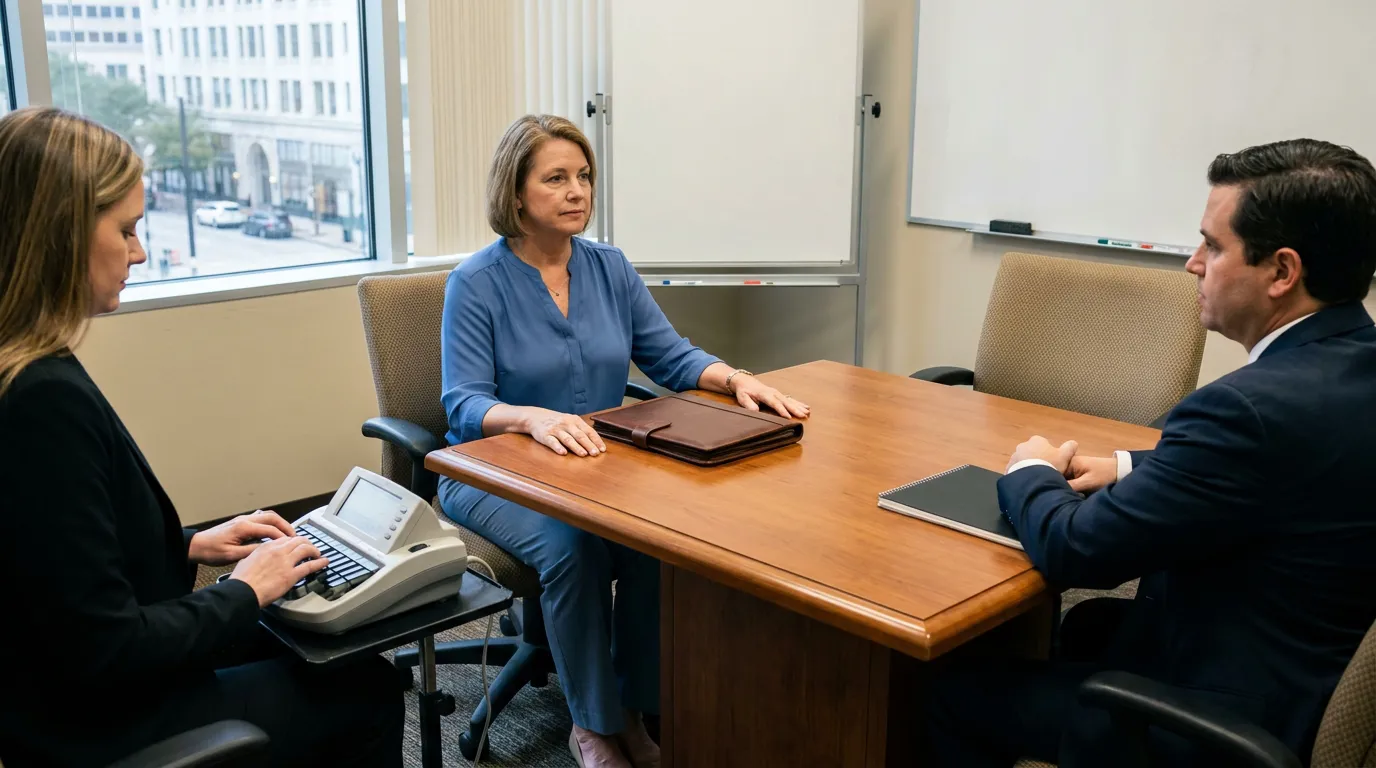
If the two appraisers cannot agree on the amount of loss, they must select a neutral umpire to resolve the disagreement. The umpire’s role is to break any deadlock between the appraisers. An agreement by two of the three parties, whether both appraisers or one appraiser and the umpire, typically determines the final award.

The Award Becomes Binding

Once rendered, the appraisal award is binding on both the policyholder and the insurer. However, this binding nature is subject to limited exceptions. The award may be challenged in cases of fraud, accident, material mistake, or if the award was made without proper authority. Outside these narrow circumstances, both parties must accept the determination.

Your Rights When Challenging an Insurer’s Valuation

Houston policyholders have several options when they believe their insurer’s damage estimate is too low. You do not have to accept an unfair offer, and Texas law provides multiple avenues for challenging inadequate valuations:

  • Hire a public adjuster to independently assess your damages
  • Consult with a construction professional or other knowledgeable party
  • Demand an appraisal under your policy’s appraisal clause
  • Obtain your own price quotes from local contractors and suppliers
  • Contact the Texas Department of Insurance at (512) 463-6169 for assistance

These options can be used individually or in combination to build your case for fair compensation. Many homeowners find that obtaining multiple independent contractor estimates provides compelling evidence that the insurer’s offer is inadequate.

💡 Pro Tip: Keep copies of all estimates, photographs, and correspondence related to your claim. If your dispute eventually requires legal action, this documentation becomes essential evidence.

When You May Need a Denied Insurance Claim Attorney in Houston

While the appraisal process is designed to work without attorneys, certain situations benefit from legal guidance. If your insurer refuses to participate in appraisal, delays the process unreasonably, or if coverage issues complicate your claim, an attorney can protect your rights.

A federal court in Houston granted a motion to compel appraisal in a property insurance dispute, demonstrating that courts can order reluctant parties to participate. This case from the Southern District of Texas shows that when insurers try to avoid the appraisal process, legal intervention may be necessary to enforce your contractual rights.

Coverage denials, bad faith conduct, and violations of Texas prompt payment laws require different strategies than simple valuation disputes. If you believe your insurer has acted unreasonably in handling your claim, understanding the difference between an appraisal vs coverage denial Houston situation is critical to choosing the right path forward.

Pre-Suit Requirements Under Texas Insurance Code Chapter 542A

If the appraisal process fails to resolve your Houston home insurance dispute, Texas law imposes specific requirements before you can file a lawsuit. Chapter 542A applies broadly to property damage claims caused by forces of nature, including hurricanes, hail, wind, and floods, covering actions under the Insurance Code, common law, and the Texas Deceptive Trade Practices Act.

The 61-Day Notice Requirement

Texas Insurance Code Chapter 542A requires claimants to provide 61 days’ written pre-suit notice before filing an action for weather-related property damage claims. This is a critical procedural step that cannot be skipped. Failing to provide proper notice can delay your case or result in dismissal.

Property Inspection Rights

If an insurer timely requests inspection of the property within 30 days of receiving your pre-suit notice, you must allow reasonable inspection. Refusing to permit inspection can lead to abatement of your lawsuit. This requirement exists to give insurers a final opportunity to evaluate the damage before litigation proceeds.

💡 Pro Tip: When you send your pre-suit notice, anticipate that the insurer may request an inspection. Have your property accessible and your documentation organized to facilitate this process without unnecessary delays.

Frequently Asked Questions

1. What is the difference between appraisal and arbitration for Houston insurance disputes?

Appraisal is specifically designed to determine the amount of loss, while arbitration can address broader legal issues. The appraisal process typically does not involve attorneys and focuses solely on valuation. Arbitration, by contrast, may resolve coverage questions, liability issues, and other legal disputes with more formal procedures.

2. Can my insurance company refuse to participate in appraisal?

If your policy contains an appraisal clause, your insurer generally cannot refuse to participate. Texas courts have compelled insurers to participate in appraisal when policyholders properly invoke the process. If your insurer refuses, you may need to seek legal assistance to enforce your rights.

3. How long does the appraisal process take in Texas?

The timeline varies, but the Texas Commissioner of Insurance is required to adopt rules establishing deadlines for completing appraisals. In practice, the process can take several weeks to several months depending on the complexity of the damage, appraiser availability, and whether an umpire must be involved.

4. Who pays for the appraisal process?

Typically, each party pays for their own appraiser, and the cost of the umpire is split between the policyholder and insurer. However, specific cost allocation may be governed by your policy language. Review your policy carefully or consult with a homeowner insurance dispute attorney Texas residents trust for guidance.

5. What happens after the appraisal award is issued?

The appraisal award is binding on both parties, and your insurer should pay the determined amount promptly. The award must be made in substantial compliance with your policy’s appraisal clause. If your insurer fails to pay the awarded amount, you may have grounds for additional legal claims.

Protecting Your Rights as a Houston Policyholder

The appraisal process provides Houston homeowners with a valuable tool for resolving insurance claim valuation disputes without the expense and delay of litigation. Understanding when appraisal applies, its limitations, and the procedural requirements under Texas law empowers you to make informed decisions about your claim. Whether you are dealing with hurricane damage, hail damage, or other weather-related losses, knowing your Houston policyholder appraisal rights can help you pursue fair compensation.

If your insurance company has underpaid your claim or you are struggling to navigate the appraisal process, Fitts Law Firm, PLLC is ready to help. Call 713-871-1670 or reach out online to discuss your situation with a team that understands Texas insurance claim valuation disputes and fights for policyholders throughout Houston.

Should Houston Homeowners Hire a Lawyer for a Roof Claim Denial?

Should Houston Homeowners Hire a Lawyer for a Roof Claim Denial?

When your insurance company denies your roof damage claim, the frustration can feel overwhelming. Houston homeowners face this situation regularly after severe weather events like hailstorms, hurricanes, and wind damage. The answer to whether you should hire a lawyer depends on several factors, including the strength of Texas laws protecting policyholders, your claim’s value, and whether your insurer violated state regulations. In many cases, legal representation makes a significant difference in recovering the compensation you deserve.

If your roof damage claim was denied or underpaid, Fitts Law Firm, PLLC can help you understand your options. Call 713-871-1670 or contact us today to discuss your situation.

Understanding Why Insurance Companies Deny Roof Claims in Houston

Insurance companies deny roof damage claims for various reasons, and not all denials are legitimate. Common reasons include disputes over whether damage was caused by a covered event, claims that damage resulted from normal wear and tear, or assertions that the policyholder failed to maintain the roof properly. Insurers may also argue that damage existed before policy purchase or that the claim was filed too late.

Houston’s climate creates unique challenges for homeowners seeking coverage. Frequent severe weather means roof damage claims are common, and some insurers aggressively deny or minimize these claims. Understanding your denial’s specific reason is the first step in determining whether you have grounds to challenge the decision. Under Texas law, insurers must provide written notice stating rejection reasons, giving you a basis to evaluate whether the denial was proper.

Common Denial Tactics That May Violate Texas Law

Insurers sometimes engage in practices that cross the line from legitimate claim evaluation into unfair conduct. Texas law specifically prohibits insurers from compelling policyholders to file lawsuits to recover amounts due by offering substantially less than what is owed. This lowball offer strategy is defined as an unfair claim settlement practice under Texas regulations.

Other problematic practices include misrepresenting policy provisions, failing to explain claim denials adequately, and refusing to pay without conducting a reasonable investigation. If your insurer has engaged in any of these behaviors, you may have legal recourse beyond simply appealing the denial.

💡 Pro Tip: Always request the denial in writing and keep copies of all correspondence with your insurance company. Written documentation of the insurer’s stated reasons becomes critical evidence if you need to challenge their decision.

How Texas Law Protects Houston Homeowners With Denied Roof Claims

Texas has some of the strongest policyholder protection laws in the country. Chapter 541 of the Texas Insurance Code prohibits unfair methods of competition and unfair or deceptive acts or practices in the business of insurance. This statute provides legal grounds for homeowners whose roof claims are wrongfully denied and is liberally construed in favor of policyholder protection.

The Texas Prompt Payment of Claims Act establishes strict timelines insurers must follow. Insurers must acknowledge receipt of a claim and begin investigation within 15 days of receiving notice. They must then accept or reject the claim within 15 business days after receiving all required proof of loss items. For weather-related catastrophe claims, common for Houston roof damage, all statutory deadlines are extended by 15 calendar days.

Penalties for Insurers Who Violate the Law

When insurers fail to comply with Texas prompt payment requirements, the consequences can be significant. Under Texas Insurance Code Section 542.060, insurers who violate these requirements must pay the claim amount plus 18% annual interest and reasonable attorney’s fees. This penalty structure exists to discourage bad faith claim handling and protect policyholders.

The attorney’s fees provision is particularly important for Houston homeowners considering legal action. This means you may hire a lawyer at no upfront cost, since fees can potentially be recovered from the insurer if your claim succeeds. Additionally, if an insurer delays payment beyond 60 days after receiving all requested items, additional damages apply under the statute.

💡 Pro Tip: Document the dates of all communications with your insurer carefully. If they miss statutory deadlines for acknowledging, investigating, or deciding your claim, this creates additional leverage in any dispute.

When a Denied Insurance Claim Attorney in Houston Becomes Essential

Certain situations strongly favor hiring legal representation for your roof claim denial. If your insurer has offered an unreasonably low settlement compared to your repair estimates, repeatedly delayed your claim, or denied coverage without providing clear explanation, an attorney can evaluate whether the insurer violated Texas law.

The potential for recovering treble damages makes legal representation particularly valuable. Policyholders can recover up to three times actual damages if they prove the insurer knowingly violated Chapter 541 of the Texas Insurance Code. This multiplier punishes insurers who engage in deliberate bad faith conduct.

Cases involving significant damage amounts generally benefit most from legal representation. When roof replacement costs run into tens of thousands of dollars, the stakes justify professional help. An attorney experienced with denied insurance claims can identify violations you might miss and pursue the full compensation available under your policy and Texas law.

Steps to Take Before Hiring a Lawyer for Your Houston Roof Claim

Before seeking legal help, gather all documentation related to your claim. This includes your insurance policy, all correspondence with your insurer, photographs of damage, repair estimates from contractors, and any reports from the insurance company’s adjuster or engineer. Organized records help any attorney you consult evaluate your case quickly.

Consider filing a complaint with the Texas Department of Insurance (TDI) as an initial step. You can reach TDI at 800-252-3439 or file online. The department can impose penalties on insurers that violate fair claim handling laws, and sometimes a regulatory complaint prompts an insurer to reconsider their position.

  • Review your policy carefully to understand your coverage
  • Obtain independent repair estimates from licensed contractors
  • Document all damage with photographs and video before making temporary repairs
  • Keep a log of every conversation with your insurance company
  • Save all written communications, including emails and letters

💡 Pro Tip: Get your own independent inspection from a qualified roofing professional who can provide a detailed written report. Insurance company adjusters work for the insurer, and their reports may minimize your damage.

Understanding the Legal Process for Challenging a Denial

Texas law requires specific steps before filing a lawsuit against your insurer. Homeowners must provide a 60-day written notice of their claim before suing, specifying the complaint and actual damages including attorney’s fees. This notice requirement gives the insurer an opportunity to resolve the dispute before litigation begins.

The statute allows policyholders to bring private actions for damages against insurers who engage in unfair or deceptive practices. This includes claim denials made without reasonable investigation, misrepresentations about policy coverage, or failures to affirm or deny coverage within a reasonable time.

How to Choose the Right Attorney for Your Roof Insurance Dispute

Look for attorneys who handle insurance claim denials on a contingency fee basis. According to consumer advocacy organizations, contingency arrangements typically range from 33% up to 40% at trial, rather than hourly billing. This arrangement means you pay nothing upfront, and the attorney only gets paid if you recover money.

Seek free initial evaluations from multiple attorneys before making a decision. Most attorneys who handle these cases will review your documentation and provide an honest assessment of whether you have a viable claim. During consultations, ask about their experience with cases similar to yours and their approach to dealing with insurance companies.

  • Ask how many roof damage denial cases the attorney has handled
  • Inquire about their typical timeline for resolving cases
  • Understand their communication practices and update frequency
  • Clarify the contingency fee percentage and any costs you might be responsible for

💡 Pro Tip: When consulting with attorneys, ask specifically about their experience with the insurance company that denied your claim. Some attorneys have extensive experience with particular insurers and understand their typical tactics.

What to Expect When Working With a Denied Insurance Claim Attorney in Houston

Your attorney will begin by thoroughly reviewing your policy and the insurer’s denial. They will identify whether the insurer violated any Texas laws or regulations in handling your claim. This analysis forms the foundation for building your case and determining the best recovery strategy.

Experienced counsel can often resolve cases without going to court. Many insurers prefer to settle once they recognize that a policyholder has competent legal representation and a strong case. However, if settlement negotiations fail, your attorney should be prepared to take your case to trial if necessary.

Throughout the process, maintain realistic expectations about timelines. Insurance disputes can take months to resolve, even with legal representation. However, the potential recovery of your full claim amount plus interest and attorney’s fees often makes the wait worthwhile for Houston homeowners facing significant roof damage.

Frequently Asked Questions

1. How much does it cost to hire a lawyer for a denied roof claim in Houston?

Most attorneys handling denied insurance claims work on a contingency fee basis, meaning you pay nothing upfront. The typical fee ranges from 33% to 40% of your recovery, paid only if you win. Additionally, Texas law allows attorney’s fees to be taxed as part of the costs in the case, potentially shifting this burden to the insurer.

2. What is the deadline for challenging a denied insurance claim in Texas?

Deadlines vary depending on your specific policy and claim type. However, you should act promptly after receiving a denial. Before filing a lawsuit, you must provide a 60-day written notice to the insurer specifying your complaint and damages. Consulting with an attorney quickly helps ensure you do not miss applicable deadlines.

3. Can I recover more than just my roof repair costs if my insurer acted in bad faith?

Yes, Texas law provides for substantial additional damages in bad faith cases. If your insurer violated prompt payment requirements, you may recover 18% annual interest plus attorney’s fees. If you prove knowing violations of Chapter 541, you may recover up to three times your actual damages.

4. What should I do if my insurance company’s offer seems too low?

Do not accept a lowball offer without understanding your rights. Get independent repair estimates, review your policy coverage, and consider consulting with an attorney. Texas law prohibits insurers from compelling policyholders to file lawsuits by offering substantially less than what is owed.

5. How long does it typically take to resolve a denied roof claim dispute?

Resolution timelines vary significantly based on case complexity and insurer cooperation. Some cases settle within a few months of hiring an attorney, while others may require litigation and take longer. Your attorney can provide a more specific estimate after reviewing your particular situation.

Taking Action on Your Denied Roof Claim

Houston homeowners facing roof claim denials have powerful legal protections available under Texas law. The decision to hire an attorney depends on your claim’s value, your insurer’s conduct, and whether Texas regulations may have been violated. In many cases, legal representation not only increases your chances of recovery but may cost you nothing out of pocket due to contingency arrangements and potential fee shifting.

If you are dealing with a Texas denied home insurance claim and need guidance on what to do after your insurance company denied your claim, professional legal help can make a significant difference. Contact Fitts Law Firm, PLLC at 713-871-1670 or reach out online to schedule a consultation and learn how Texas law may protect your rights as a policyholder.

What Does Breach of Contract Mean in a Houston Insurance Denial?

What Does Breach of Contract Mean in a Houston Insurance Denial?

When your insurance company denies your homeowner claim after a storm, flood, or other covered event, you may have grounds for a breach of contract claim under Texas law. A breach of contract in this context occurs when your insurer fails to honor the terms of your policy, whether by wrongfully denying coverage, underpaying your claim, or failing to investigate properly. For Houston homeowners who have paid premiums and upheld their policy obligations, a denied claim can feel like a betrayal. Understanding your legal rights is the first step toward holding your insurance company accountable.

If your property insurance claim has been denied or underpaid, Fitts Law Firm, PLLC may be able to help you pursue the benefits you deserve. Call 713-871-1670 or contact us online to discuss your situation with a legal team that advocates for Texas policyholders.

Understanding Breach of Contract in Homeowner Insurance Claims

Your homeowner insurance policy is a legally binding contract between you and your insurer. When you purchase coverage and pay your premiums, the insurance company agrees to provide certain benefits if covered losses occur. If the insurer refuses to pay a valid claim, delays payment unreasonably, or fails to follow the terms outlined in your policy, they may be in breach of that contract.

In Texas, policyholders have strong legal protections when insurers fail to uphold their contractual obligations. Breach of contract claims have a four-year statute of limitations under the Texas Civil Practice and Remedies Code Section 16.004. This means you generally have four years from the date of the breach to file a lawsuit. However, waiting too long can jeopardize your case, so taking prompt action is critical.

Common Examples of Insurer Breach

Insurance companies breach their contracts with policyholders in several common ways. Understanding these patterns can help you recognize when your rights have been violated:

  • Denying a claim without conducting a reasonable investigation
  • Misrepresenting policy provisions or coverage limits
  • Refusing to pay a claim when liability is reasonably clear
  • Failing to explain the specific reasons for a claim denial
  • Delaying payment beyond the timeframes required by Texas law
  • Underpaying claims based on biased or inadequate inspections

💡 Pro Tip: Document every interaction with your insurance company in writing. If adjusters make verbal promises or statements, follow up with an email summarizing what was said. This creates a paper trail that may prove valuable if you need to pursue legal action.

Texas Laws That Protect Policyholders from Insurance Company Breach of Contract

Texas has enacted several laws specifically designed to protect homeowners from unfair insurance practices. These statutes give policyholders meaningful legal remedies when insurers act in bad faith or breach their contractual duties. Two particularly important bodies of law are Texas Insurance Code Chapter 541 and Chapter 542A.

Texas Insurance Code Chapter 541

Chapter 541 regulates trade practices in the insurance industry by prohibiting unfair and deceptive acts. Under this statute, insurers cannot misrepresent material facts or policy provisions, fail to settle claims in good faith when liability is clear, refuse to pay claims without a reasonable investigation, or fail to explain claim denials. The law is designed to be liberally construed in favor of policyholders, strengthening its utility as a companion claim to breach of contract.

Chapter 541 also provides a private right of action allowing policyholders to sue for damages. If your insurer knowingly violated the statute, treble damages may be available. This means you could potentially recover up to three times your actual damages, plus attorney’s fees, depending on the circumstances of your case.

Chapter 542A and Pre-Suit Requirements

Texas Insurance Code Chapter 542A applies specifically to first-party property insurance claims. This chapter, enacted via H.B. 1774 (often called the "Hailstorm Bill"), became effective September 1, 2017. It covers actions against insurers involving breach of contract, negligence, misrepresentation, fraud, or breach of common law duties related to property damage claims.

Before filing a breach of contract lawsuit against an insurer under Chapter 542A, you must provide written pre-suit notice at least 61 days before filing. This requirement gives the insurer an opportunity to resolve the dispute before litigation. Importantly, Chapter 542A does not eliminate any existing cause of action for consumers. All statutory and common law remedies remain available, including policy benefits, treble damages, and attorney’s fees when an insurer wrongly denies a claim.

💡 Pro Tip: The 61-day pre-suit notice requirement under Chapter 542A is mandatory. Failing to provide proper notice can delay your case significantly. Work with an attorney experienced in Houston insurance denial cases to ensure your notice complies with all legal requirements.

The Four-Year Statute of Limitations for a Denied Insurance Claim Attorney in Houston

Time limits are critical in any breach of contract insurance claim in Texas. Under Texas law, the statute of limitations for breach of a written contract is four years, and for breach of an oral contract, it is also four years. These timeframes are governed by the Texas Civil Practice and Remedies Code Chapter 16.

If you do not file your lawsuit within the limitations period, your claim will likely be barred. Courts in Texas do not allow leniency on filing deadlines unless a valid tolling exception applies. Missing the deadline results in automatic case dismissal, regardless of how strong your underlying claim may be.

The four-year clock typically begins running when the breach occurs. In insurance denial cases, this is generally when the insurer denies your claim or when you discover the denial. However, determining the exact accrual date can be complex, particularly if the insurer’s communications were unclear or misleading.

How Tolling May Affect Your Filing Deadline

In certain limited circumstances, Texas law allows the statute of limitations to be paused or "tolled." One recognized tolling exception involves fraudulent concealment, where the defendant purposely hid wrongdoing from the plaintiff. If your insurance company concealed the true reasons for denying your claim or deliberately misled you about your coverage, the limitations period may be tolled until you discover the misconduct.

However, courts interpret tolling exceptions narrowly, and they do not automatically apply. You must be able to demonstrate that the insurer actively concealed information and that you could not have reasonably discovered the breach sooner. This is a fact-intensive inquiry that often requires legal analysis.

💡 Pro Tip: Even if you believe tolling may apply to your situation, do not rely on this exception to delay taking action. Consult with a denied insurance claim attorney in Houston as soon as possible to evaluate your options and protect your rights.

Steps to Take When Your Homeowner Insurance Claim Is Denied in Houston

Receiving a denial letter from your insurance company can be overwhelming, but taking immediate action is essential. Houston homeowners who experience property damage from hurricanes, hail, wind, flooding, or other covered events should follow these steps to protect their legal interests.

Review Your Policy and Denial Letter

Start by carefully reviewing your insurance policy and the denial letter. Identify the specific coverage provisions cited by the insurer and compare them to the actual policy language. Insurance companies sometimes cite exclusions that do not apply or mischaracterize the terms of coverage.

Pay close attention to deadlines mentioned in the denial letter. Some policies require you to take specific steps within certain timeframes, such as submitting a proof of loss or requesting an appraisal. Missing these deadlines can complicate your claim.

Document Everything

Thorough documentation is your strongest tool in challenging a denied claim. Photograph all damage, keep copies of all correspondence with your insurer, and maintain records of any temporary repairs you make. Obtain independent estimates from contractors and consider hiring your own inspector or engineer to assess the damage.

Under Texas Insurance Code Section 862.054, a breach or violation of a warranty, condition, or provision of a fire insurance policy does not automatically void the policy. Unless the breach contributed to cause the destruction of the property, your coverage may remain intact despite minor technical violations cited by the insurer.

Seek Legal Guidance

An experienced Houston home insurance lawyer can evaluate your denial and advise you on the best path forward. Legal counsel can help you understand whether your insurer acted unreasonably, calculate your potential damages, and navigate the complex procedural requirements of Texas insurance law.

💡 Pro Tip: If your insurer retained an engineer or adjuster whose report contradicts the obvious damage to your property, consider obtaining an independent assessment. Insurance company-retained assessors may have biases that affect their findings.

Why Working with a Houston Insurance Dispute Attorney Matters

Insurance companies have legal teams and adjusters working to minimize payouts. As a policyholder, you deserve someone in your corner who understands the strategies insurers use and knows how to counter them effectively. A Texas policyholder breach of contract lawyer can level the playing field.

Legal representation can make a significant difference in the outcome of your claim. Attorneys familiar with Houston insurance denial cases understand the local court system, the applicable Texas statutes, and the tactics used by major insurance carriers. They can handle the 61-day pre-suit notice requirement, gather evidence to support your claim, and pursue the full compensation you are entitled to under your policy.

If you are wondering what to do after your insurance company denied your claim, speaking with an attorney can provide clarity and direction during a stressful time.

Frequently Asked Questions

1. What constitutes breach of contract in a homeowner insurance claim?

A breach of contract occurs when your insurer fails to fulfill its obligations under your policy. This may include wrongfully denying coverage, underpaying your claim, failing to investigate properly, or misrepresenting policy terms. Under Texas law, policyholders can pursue legal action to recover the benefits they were promised.

2. How long do I have to file a breach of contract lawsuit against my insurer in Texas?

Texas law provides a four-year statute of limitations for breach of contract claims. This applies to both written and oral contracts. If you miss this deadline, your claim will generally be dismissed unless a valid tolling exception applies.

3. What is the pre-suit notice requirement under Chapter 542A?

Before filing a lawsuit against your insurer under Chapter 542A, you must provide written notice at least 61 days before filing. This notice gives the insurer an opportunity to inspect the property and potentially resolve the dispute without litigation.

4. Can I recover more than my policy benefits if my insurer acted in bad faith?

Yes, Texas Insurance Code Chapter 541 allows policyholders to recover additional damages. If your insurer knowingly violated the statute, you may be entitled to treble damages, which means up to three times your actual damages, plus attorney’s fees in certain circumstances.

5. Does a minor policy violation void my homeowner insurance coverage?

Not necessarily. Under Texas Insurance Code Section 862.054, a breach of a warranty, condition, or provision of a fire insurance policy does not render the policy void unless the breach contributed to cause the destruction of the property.

Protect Your Rights After a Houston Insurance Denial

A denied homeowner insurance claim does not have to be the final word. Texas law provides meaningful protections for policyholders, including the right to pursue breach of contract claims and seek damages for unfair insurance practices. Understanding your legal options is essential to holding your insurance company accountable.

If your property insurance claim has been denied, underpaid, or delayed, Fitts Law Firm, PLLC is ready to help you explore your legal options. Call 713-871-1670 or reach out online today to speak with a legal team committed to protecting Texas homeowners.

Can Houston Homeowners Challenge Wind Damage Claim Rejections?

After the Storm: Fighting Back Against Wind Damage Claim Denials

When hurricane-force winds damage your property, leaving behind damaged roofs, broken windows, and structural issues, you expect your insurance company to honor their protection promise. Unfortunately, many homeowners discover their wind damage claims denied or severely underpaid, leaving them facing thousands in repair costs. If your insurance company has rejected your wind damage claim, you have specific rights and multiple avenues to challenge their decision. The Texas Department of Insurance provides formal processes designed to protect homeowners from unfair claim denials, and understanding these options can make the difference between accepting a denial and getting the coverage you deserve.

💡 Pro Tip: Document all storm damage immediately with photos, videos, and detailed notes before making any temporary repairs – this evidence becomes crucial if you need to challenge a denial.

If your wind damage claim has hit a brick wall, it’s time to turn things around with Fitts Law Firm, PLLC firmly in your corner. Reach out today at 713-871-1670 or contact us online. Don’t weather the aftermath of a storm alone—let’s get the coverage you deserve, together.

Your Rights When Insurance Companies Deny Wind Damage Claims

Texas law provides homeowners with substantial protections when dealing with insurance claim denials, particularly for wind damage from hurricanes and severe storms. The Office of Public Insurance Counsel (OPIC) provides consumer education and assistance for residential property insurance problems. OPIC represents the interests of Texas consumers as a class in insurance matters but cannot provide legal advice or representation to individual consumers in specific disputes. You can contact OPIC at 1-877-611-6742 for guidance about your specific situation and referrals to appropriate resources such as the Texas Department of Insurance. When working with a denied insurance claim attorney in Houston, understanding these state-provided resources strengthens your position and provides multiple pathways to resolution.

Your insurance policy creates a legal contract that obligates the insurance company to investigate claims fairly and pay valid damages promptly. When they deny your wind damage claim, they must provide specific written reasons that align with your policy terms and Texas insurance regulations. The state requires insurance companies to follow strict timelines and procedures under Texas Insurance Code Chapter 542, giving you leverage if they fail to meet these obligations. A denied insurance claim attorney in Houston can review your policy language, assess the denial reasons, and identify violations of Texas insurance law that strengthen your appeal.

💡 Pro Tip: Request relevant claims information from the insurance company – Texas law allows you to request certain claims information (such as a list of claims and payments made), but does not provide an automatic right to all documents, photos, or reports in the claim file; full access to those materials typically requires formal legal discovery after filing a lawsuit.

Critical Deadlines for Challenging Wind Damage Denials

Time limits govern every aspect of challenging insurance claim denials, and missing these deadlines can permanently bar your recovery. For homeowners with Texas Windstorm Insurance Association (TWIA) coverage in coastal areas, you must report damage within one year of the damage date. Once TWIA receives your claim and requested information, they have 60 days to decide. If you disagree with TWIA’s actual cash value determination, you typically have 60 days from receiving their notice to request formal appraisal.

  • Initial claim filing: Within policy deadlines (often 30-60 days for standard policies, one year for TWIA)
  • Insurance company response: Must acknowledge within 15 days and decide within 15 business days after receiving all required information (with a possible 45-day extension if justified in writing)
  • Appeal or complaint filing: Typically 180 days from denial notice for most property insurance policies (TWIA policyholders have 60 days to request appraisal for actual cash value disputes)
  • TWIA appraisal request: 60 days from receiving notice letter for actual cash value disputes
  • Lawsuit filing: Two years from date of loss under Texas statute of limitations

💡 Pro Tip: Calendar all deadlines immediately upon receiving any insurance correspondence – missing a deadline by even one day can eliminate your rights to challenge the denial.

Proven Strategies for Overturning Denied Wind Damage Claims

Successfully challenging a wind damage denial requires a strategic approach using all available resources. OPIC recommends starting by contacting your claims adjuster directly, and you can also request to speak with a claims manager at your insurance company. This internal escalation often resolves disputes without formal proceedings. When working with a denied insurance claim attorney in Houston, they can handle these communications professionally while preserving your rights to further action if needed.

If internal appeals fail, filing a complaint with the Texas Department of Insurance (TDI) triggers a formal review of your claim handling. OPIC’s guidance specifically points to TDI complaints as a practical next step for homeowners facing denials. The TDI investigates whether your insurance company followed Texas law in handling your claim. Simultaneously, if you have TWIA coverage, their formal appraisal process provides another avenue for challenging amount determinations. Fitts Law Firm, PLLC understands these overlapping processes and can coordinate multiple challenge strategies to maximize your recovery chances.

💡 Pro Tip: Keep detailed logs of every conversation with insurance representatives, including dates, times, names, and what was discussed – this documentation proves invaluable during formal challenges.

Understanding Different Types of Wind Damage Denials

Insurance companies deny wind damage claims for various reasons, and understanding their rationale helps you build effective counter-arguments. Common denial reasons include claims that damage resulted from flood rather than wind, assertions that damage predated the storm, or arguments that your policy excludes the specific damage type. Each denial reason requires different evidence and legal arguments to overcome. Working with a denied insurance claim attorney in Houston ensures you address the specific grounds for denial with appropriate documentation and Texas residential property insurance help from state resources.

Distinguishing Wind Damage from Other Storm Effects

Insurance companies often attempt to categorize wind damage as flood damage because many policies exclude flooding while covering wind. Evidence like damage patterns, weather reports showing wind speeds, and the sequence of events during the storm help establish wind as the primary cause. Documenting damage progression through the storm strengthens your position when insurers try to shift blame to excluded perils.

💡 Pro Tip: Obtain certified weather data for your specific location during the storm – wind speed records and rainfall amounts provide objective evidence supporting your wind damage claim.

Maximizing Your Wind Damage Claim Recovery

Beyond simply overturning a denial, homeowners should understand how to maximize recovery for all covered damages. Insurance companies often undervalue claims even when they don’t deny them outright, using depreciation schedules that unfairly reduce payments, overlooking hidden damages, or failing to account for current construction costs. A thorough understanding of your policy’s replacement cost provisions, additional living expenses coverage, and other benefits ensures you claim everything available. The TWIA Claims Process includes supplemental payment procedures allowing you to submit additional damage documentation even after initial payments.

Hidden Damages Often Missed in Initial Assessments

Wind damage extends beyond obvious exterior destruction. High winds can compromise structural integrity, damage HVAC systems through pressure changes, and create pathways for water intrusion leading to mold and deterioration. Professional inspections by structural engineers, roofers, and other specialists often uncover damages that insurance adjusters miss or ignore. When working with a denied insurance claim attorney in Houston, they can coordinate these expert assessments to build comprehensive damage documentation.

💡 Pro Tip: Request infrared scanning of your property after wind damage – this technology reveals hidden moisture intrusion that leads to future problems if not addressed.

Frequently Asked Questions

Common Legal Concerns About Wind Damage Claim Denials

Homeowners facing wind damage claim denials often share similar concerns about their rights, the challenge process, and potential outcomes. Understanding these common issues helps you approach your situation with confidence and realistic expectations.

💡 Pro Tip: Prepare a chronological timeline of all storm damage and insurance interactions before consulting with an attorney – this preparation makes your consultation more productive.

Next Steps After Your Wind Damage Claim Denial

Taking prompt action after receiving a denial notice protects your rights and improves your chances of successful resolution. The path forward depends on your specific situation, policy type, and the stated reasons for denial.

💡 Pro Tip: Request your denial in writing if initially given verbally – written denials trigger important deadlines and provide documentation for your challenge.

1. How long do I have to challenge a wind damage claim denial in Texas?

The timeline depends on your specific policy and situation. For TWIA policies, you have 60 days from receiving a notice letter to request appraisal for actual cash value disputes. For most standard property insurance policies, internal appeal deadlines are typically 180 days from the denial notice. The statute of limitations for filing a lawsuit is generally two years from the date of loss, but acting quickly provides more resolution options.

2. What if my insurance company claims the damage was from flooding, not wind?

This common dispute requires evidence establishing wind as the primary cause. Weather data, engineering reports, and documentation of the damage sequence help prove wind causation. OPIC provides resources for disputing these determinations, and you can file complaints with TDI if the insurance company improperly categorizes your damage.

3. Can I handle a wind damage claim dispute without an attorney?

Yes, Texas provides several self-help resources through OPIC and TDI. You can contact OPIC at 1-877-611-6742 for guidance, file TDI complaints independently, and participate in appraisal processes. However, complex denials, significant damages, or bad faith conduct by insurers often benefit from legal representation to fully protect your interests.

4. What costs am I responsible for when challenging an insurance denial?

Initial challenges through internal appeals and TDI complaints typically cost nothing. Appraisal processes may require paying for your chosen appraiser and half of the umpire’s fee. If you hire experts like engineers or contractors for reports, those costs are usually your responsibility unless you recover them as part of your claim.

5. How do I document wind damage properly for my insurance claim?

Take extensive photos and videos immediately after the storm, showing all damage angles. Create detailed written descriptions noting the location and extent of each damaged area. Save all weather alerts, news reports, and official weather data from the storm date. Keep receipts for emergency repairs and mitigation efforts. Obtain estimates from licensed contractors detailing necessary repairs and costs.

Work with a Trusted Denied Insurance Claims Lawyer

Wind damage claims involve complex policy interpretations, technical engineering questions, and strict procedural requirements. While Texas provides valuable resources through OPIC and TDI, navigating these systems while dealing with property damage creates overwhelming stress. Experienced legal representation ensures you meet all deadlines, properly document your damages, and present the strongest possible case for overturning your denial. The insurance company has teams of adjusters and attorneys protecting their interests – leveling the playing field protects your rights to fair compensation.

Has your wind damage claim been turned down? Let Fitts Law Firm, PLLC guide you through the next steps. Reach us at 713-871-1670 or contact us to explore your options for a fair resolution today.

What Legal Options Exist When Houston Insurers Deny Storm Damage Claims?

Storm Damage Claim Denied? Understanding Your Legal Rights in Houston

When Hurricane Harvey devastated Houston in 2017, thousands of homeowners filed insurance claims expecting coverage. Many received denial letters instead. If your insurer denied your storm damage claim, you’re facing more than property damage, you’re confronting a complex legal landscape unique to Texas. Understanding your options under state law can mean the difference between accepting a denial and recovering the compensation you deserve.

If you’re dealing with a denied storm damage claim in Houston, Fitts Law Firm, PLLC can help you understand your legal options. Call 713-871-1670 or contact us now to discuss your case with attorneys who understand Texas insurance law.

Why Houston Storm Damage Claims Get Denied

Insurance companies deny storm damage claims for various reasons, some legitimate and others questionable. In Houston’s flood-prone environment, insurers often cite policy exclusions, particularly distinguishing between wind damage (typically covered) and flood damage (requiring separate coverage). Many homeowners discover too late that their standard homeowners policy excludes flood losses entirely.

This distinction matters because flood insurance requires a separate policy, often through the National Flood Insurance Program (NFIP). Without this coverage, water damage from storms may fall outside your policy’s protection. Insurers may also deny claims based on alleged pre-existing damage, missed deadlines, or disputes over the cause of loss.

💡 Pro Tip: Always check your declarations page and ask your agent specifically about flood coverage before storm season. In Houston’s high-risk flood zones, this separate policy often determines whether damage gets covered or denied.

Texas Insurance Code Chapter 542A: Your Statutory Rights

Texas legislators recognized the challenges homeowners face after natural disasters and enacted specific protections. Texas Insurance Code Chapter 542A governs first-party property damage claims caused wholly or partly by forces of nature, including hurricanes, floods, windstorms, and hail.

This statute covers breach of contract claims, negligence, misrepresentation, fraud, and violations of the Texas Deceptive Trade Practices Act. The law establishes specific procedures and remedies for property owners whose claims have been wrongfully denied or underpaid.

Notably, Chapter 542A excludes actions against the Texas Windstorm Insurance Association (TWIA) and policies ceded by TWIA. For most Houston homeowners outside immediate coastal high-risk areas, this exclusion won’t apply, meaning the statute’s protections remain available.

Understanding Your Policy’s Dispute Resolution Process

Before pursuing litigation, review your insurance policy’s internal dispute mechanisms. Many homeowner policies include a contractual appraisal process to resolve disagreements over damage estimates. Under this process, you and your insurer each hire an appraiser, these appraisers select an umpire, and the umpire’s decision becomes binding.

The Texas Department of Insurance confirms this appraisal option exists in many policies, though policyholders must pay their own appraiser and half the umpire’s costs. This process can provide faster resolution than litigation when disputes center on damage amounts rather than coverage questions.

Filing Complaints with State Agencies

Texas provides multiple administrative channels for challenging insurance claim denials. The Texas Department of Insurance (TDI) accepts consumer complaints and investigates unfair claims practices. If you disagree with an adjuster’s final estimate, TDI recommends providing supporting documentation to your insurer, such as contractor estimates.

Texas Attorney General’s Consumer Protection Division

The Texas Attorney General’s Consumer Protection division maintains authority to accept complaints, file civil cases in the public interest, and educate Texans about insurance-related scams. Houston residents can file complaints through the AG’s designated portal when insurers engage in potentially deceptive practices.

The AG’s office specifically tracks financial and insurance scams, including disaster-related fraud that commonly follows storms, maintaining resources applicable to storm-related insurance disputes affecting Houston homeowners.

💡 Pro Tip: Document everything immediately after storm damage occurs. Take photos from multiple angles, keep all receipts, and maintain a written log of all communications with your insurer. This documentation becomes crucial evidence if you need to escalate your dispute.

Legal Options When Administrative Remedies Fail

When internal appeals and regulatory complaints don’t resolve your denied claim, several legal remedies remain available under Texas law. Each option carries different requirements, timelines, and potential outcomes.

Hiring a Public Adjuster

Public adjusters work independently from insurance companies to evaluate your damage and negotiate on your behalf. Unlike company adjusters who represent the insurer’s interests, public adjusters advocate for policyholders. They provide professional damage assessments that counter lowball estimates or support appeals of wrongful denials.

Pursuing Mediation or Alternative Dispute Resolution

Texas encourages alternative dispute resolution for insurance disputes. Mediation allows both parties to negotiate with a neutral third party’s assistance, potentially reaching settlement without formal litigation. This option often proves faster and less expensive than court proceedings while preserving your right to sue if mediation fails.

Filing a Lawsuit Under Chapter 542A

When other options fail, filing suit may become necessary. Chapter 542A provides the framework for lawsuits over storm damage claims in Houston. The statute covers various legal theories including breach of contract, bad faith, and violations of the Texas Insurance Code’s prompt payment provisions.

Timing matters critically in insurance litigation. For NFIP policies, you must file suit in federal court within one year of the mailing date on the insurer’s Notice of Disallowance. Missing this deadline forfeits your right to sue. Different deadlines may apply to private insurance policies and TWIA claims.

Special Considerations for Houston Flood Claims

Houston’s unique flood risks create additional complexities for property damage claims. The city participates in the National Flood Insurance Program’s Community Rating System, achieving a Class 5 rating that reduces premiums for qualifying properties. However, approximately 40% of all flood claims occur outside FEMA-mapped Special Flood Hazard Areas, meaning properties outside designated flood zones still face measurable risk.

NFIP Claim Requirements

For NFIP policies, FEMA pays claims rather than private insurers. Only certified flood claim adjusters can handle inspections and settlements. Crucially, you must submit a completed proof of loss within 60 days of the flood. Missing this deadline typically results in automatic denial, though FEMA may extend deadlines after major disasters.

If you dispute an NFIP claim amount, you can request appraisal. If your claim faces denial entirely, remember the one-year federal court filing deadline begins from the denial notice’s mailing date.

💡 Pro Tip: Houston’s Floodplain Management Office at 1002 Washington Ave. provides flood maps, elevation certificates, and zone determinations. Understanding your property’s flood designation helps you prepare appropriate insurance coverage before storms strike.

Houston Building Requirements After Storm Damage

When rebuilding after storm damage, Houston enforces specific elevation requirements. The city requires new structures to sit at least 2 feet above the 500-year flood elevation, with critical facilities requiring 3 feet of elevation. All development requires permits, and building without proper authorization in Houston’s floodplain violates city ordinances.

These requirements affect insurance settlements because rebuilding to code may cost more than simple repairs. Understanding these standards helps you negotiate appropriate compensation that covers code-compliant reconstruction.

Protecting Your Rights as a Denied Insurance Claim Attorney in Houston Can Help

Successfully challenging an insurance denial requires understanding both your policy’s terms and Texas law’s protections. A denied insurance claim attorney in Houston can evaluate whether your insurer violated statutory obligations, missed required deadlines, or improperly interpreted policy language.

Experienced counsel can also identify bad faith practices that may entitle you to additional damages beyond your property loss. Texas law penalizes insurers who unreasonably delay or deny valid claims, providing potential recovery of attorney fees and statutory penalties.

Warning Signs of Insurance Bad Faith

Recognizing bad faith tactics helps you understand when legal action becomes necessary. Common red flags include insurers who refuse to investigate promptly, demand unnecessary documentation repeatedly, or offer settlements far below documented damages.

In Houston’s post-storm environment, watch for adjusters who blame all damage on flooding when you lack flood coverage, even when wind clearly caused part of the loss. Insurers who claim pre-existing damage without evidence or ignore their own policy language may engage in bad faith practices.

💡 Pro Tip: Never accept an insurer’s first denial as final. Texas law provides multiple appeal mechanisms, and initial denials often rely on incomplete investigations or misapplied policy provisions. Persistence combined with proper legal guidance frequently overturns wrongful denials.

Frequently Asked Questions

What should I do immediately after my storm damage claim gets denied?

Request a written explanation citing specific policy provisions. Gather all documentation including photos, receipts, and correspondence. Consider hiring a public adjuster for an independent damage assessment. Contact TDI to file a complaint if you believe the denial was improper, and consult with a denied insurance claims lawyer in Houston to understand your legal options before any deadlines expire.

How long do I have to challenge a denied storm damage claim in Houston?

Deadlines vary significantly based on your policy type. For NFIP flood claims, you must file suit within one year of the denial notice’s mailing date. TWIA claims have a one-year deadline from the date of loss. Private insurance policies may have different limitations periods. Some TWIA policies require appraisal demands within 60 days. Seek legal guidance promptly to preserve your rights.

Can I sue my insurance company for denying my storm damage claim?

Yes, Texas Insurance Code Chapter 542A specifically authorizes lawsuits for storm-related property damage claims. You can sue for breach of contract, bad faith, violations of prompt payment laws, and other statutory violations. However, you typically must exhaust internal appeals and comply with any pre-suit requirements in your policy. Success depends on proving the insurer wrongfully denied coverage or underpaid your legitimate claim.

What damages can I recover if my insurer wrongfully denied my claim?

Beyond actual property damage, Texas law may allow recovery of statutory penalties, interest, and attorney fees for wrongful claim denials. If you prove bad faith, additional damages may include mental anguish and punitive damages in extreme cases. Chapter 542A provides for penalty interest on delayed payments. The specific damages available depend on which legal theories apply to your situation.

Moving Forward After a Storm Damage Denial

Storm damage claim denials leave Houston homeowners facing both property damage and financial uncertainty. However, Texas law provides multiple avenues for challenging improper denials. From internal appeals through appraisal to regulatory complaints and litigation, understanding these options empowers you to fight for fair compensation.

The key lies in acting promptly, documenting thoroughly, and understanding your rights under Texas insurance law. When insurers violate their obligations, legal remedies exist to hold them accountable.

If your storm damage claim has been denied, don’t accept it as the final word. Fitts Law Firm, PLLC understands the complexities of Texas insurance law and can evaluate your denied insurance claim. Call 713-871-1670 or contact us today to discuss your legal options with attorneys who fight for Houston homeowners’ rights.