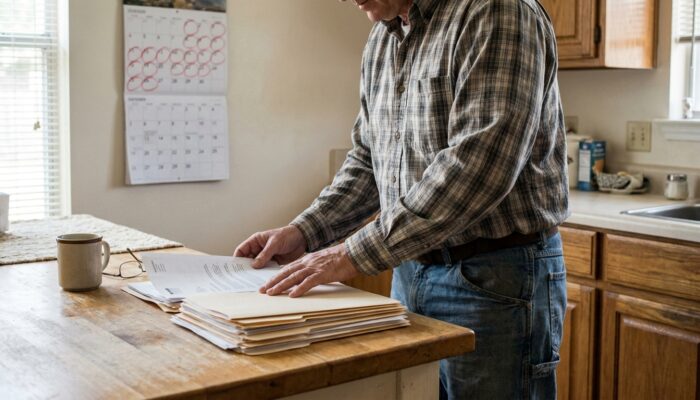
older man reviewing stack of legal documents and folders at kitchen counter

Can Houston Homeowners Sue an Insurer for Taking Too Long?

Key Takeaways: Texas law sets strict deadlines for insurers to acknowledge, investigate, and pay homeowner claims. Missing these deadlines may give you grounds to sue for the claim amount plus interest and attorney’s fees. The Texas Prompt Payment of Claims Act requires a 61-day written notice before filing a bad faith lawsuit, advising the insurer of the specific complaint and the amount of actual damages and expenses (including attorney’s fees) you are seeking. Statutes of limitations range from two to four years depending on your legal theory. Document every interaction with your insurer to strengthen your position.

If your insurance company is stalling on your homeowner claim, you are not alone. Many Houston homeowners ask, "Can I sue my insurance company for taking too long?" after weeks or months of silence following storm damage. The answer is yes, Texas law provides remedies when insurers unreasonably delay processing or paying valid property damage claims. The Texas Insurance Code establishes specific timelines that carriers must follow, and violating those timelines can expose them to liability for the original claim amount, interest, attorney’s fees, and additional damages.

If you are dealing with a delayed insurance claim in Texas, Fitts Law Firm, PLLC can help you evaluate your options. Call 713-871-1670 or reach out online to discuss your situation.
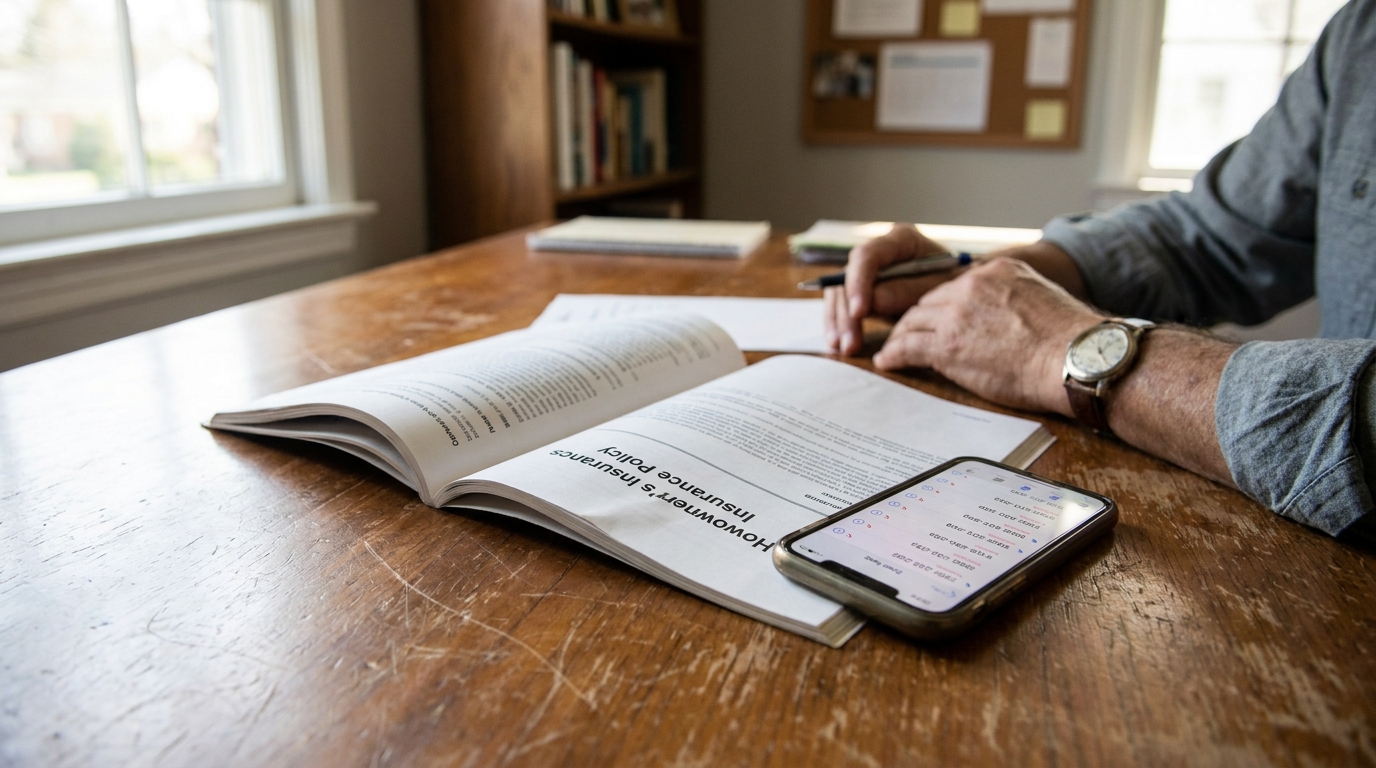
open homeowner's insurance policy document and smartphone on wooden desk

Texas Deadlines Insurers Must Follow on Homeowner Claims

Texas does not leave claim timelines up to the discretion of your insurance company. The Texas Prompt Payment of Claims Act in Chapter 542 of the Texas Insurance Code lays out specific deadlines for property damage claims. Under TEX. INS. CODE § 542.055, your insurer has 15 calendar days after receiving notice of your claim to acknowledge receipt, begin its investigation, and request any needed information.

After the investigation, the clock keeps ticking. Your insurer must accept or deny your claim within 15 business days of receiving all items required to secure final proof of loss, per TEX. INS. CODE § 542.056. If the company needs more time, it must notify you in writing within that same 15-business-day window, and then it has an additional 45 days to accept or deny the claim. Once the insurer agrees to pay, it must send payment within five business days under TEX. INS. CODE § 542.057. Missing that payment deadline means you can sue for the claim amount plus 18 percent annual interest and reasonable attorney’s fees.

The table below summarizes these key deadlines:

Insurer Obligation Deadline Authority
Acknowledge receipt of claim 15 calendar days TEX. INS. CODE § 542.055
Accept or deny claim 15 business days (plus up to 45 additional days with written notice) TEX. INS. CODE § 542.056
Send payment after agreeing to pay 5 business days TEX. INS. CODE § 542.057

💡 Pro Tip: Keep a written log of every date you submit documents, call your adjuster, or receive correspondence. This timeline becomes critical evidence if you need to prove your insurer violated prompt payment deadlines.

Can I Sue My Insurance Company for Taking Too Long in Houston?

Yes, Houston homeowners may have the right to sue when an insurer unreasonably delays a claim. Texas law lists "refusing, failing, or unreasonably delaying a settlement offer" as an unfair claim settlement practice, but TEX. INS. CODE § 541.060(a)(5) is limited to delays based on the availability of other coverage or on third-party liability rather than imposing a general prohibition on delay. A broader statutory basis for bad-faith delay claims, prohibiting a carrier from failing to attempt in good faith to effectuate a prompt, fair, and equitable settlement when liability is reasonably clear, is found in TEX. INS. CODE § 541.060(a)(2). Under 28 Tex. Admin. Code § 21.203(11), the prohibition on refusing, failing, or unreasonably delaying a settlement offer is similarly limited to situations where the delay is based on the availability of other coverage or third-party liability. These provisions exist to discourage insurer delay tactics that violate Texas prompt payment laws.

Delay can also rise to the level of bad faith. Under Texas Insurance Code § 541.151, a person who sustains actual damages from unfair or deceptive insurance practices may file a lawsuit. However, TEX. INS. CODE § 541.154 requires that a person seeking damages first provide written notice to the insurer not later than the 61st day before the date the action is filed, advising the insurer of the specific complaint and the amount of actual damages and expenses, including attorney’s fees reasonably incurred in asserting the claim.

💡 Pro Tip: When sending your 61-day pre-suit notice, use certified mail with return receipt requested. This creates verifiable proof that the insurer received your notice.

What Counts as Unreasonable Delay?

There is no single magic number of days that automatically makes a delay "unreasonable." Courts look at the totality of circumstances, including whether the insurer requested unnecessary documentation, failed to communicate, or ignored its own deadlines. If your insurer acknowledged your claim but went silent for months without explanation, that pattern may support a bad faith insurance delay claim in Texas.

Repeated requests for information you already provided can also signal bad faith. Some carriers cycle through adjusters or request duplicate inspections as stalling tactics. Document each instance carefully.

Weather and Forces-of-Nature Claims Have an Extra Step

If your property damage was caused wholly or partly by forces of nature, such as wind or hail, Texas imposes an additional pre-suit notice requirement under Chapter 542A of the Insurance Code. You must provide your insurer with written notice at least 61 days before filing suit, specifying the amount of your damages and the acts giving rise to your claim. This applies to hurricanes, severe storms, hail, and similar weather events common in Houston. Failing to provide this notice could affect your ability to recover attorney’s fees.

💡 Pro Tip: Even if you are unsure whether your loss qualifies as a "forces of nature" claim under Chapter 542A, send the pre-suit notice as a precaution. Providing extra notice costs you nothing, but missing a required notice could weaken your case.

Statutes of Limitations: How Long Do You Have to Act?

Time limits apply to every legal claim, and insurance disputes are no exception. Deceptive trade practices claims brought under the DTPA and Insurance Code Chapter 541 carry a two-year statute of limitations. Because bad faith insurance delay claims are typically brought under the Texas Insurance Code, this two-year window is often the relevant deadline for Houston homeowners. You can review Texas statutes of limitation for additional context.

Breach of contract claims offer a longer runway. If you sue your insurer for failing to fulfill policy obligations, the four-year statute of limitations for breach of contract applies. However, some policies contain contractual "suit against us" provisions that impose shorter filing deadlines, so reviewing your policy language is essential.

The Discovery Rule May Extend Your Deadline

In limited circumstances, Texas courts recognize a "discovery rule" that can push back the start of the limitations period. This applies when an injured person could not reasonably have known about the harm until later. However, courts interpret this exception narrowly.

💡 Pro Tip: Do not wait until you think your deadline is approaching. Seek legal guidance as soon as you suspect your insurer is acting in bad faith, well before any limitations period becomes a concern.

Your Options When an Insurer Stalls Your Claim

Houston homeowners have several paths to resolve a delayed or denied claim. Texas law provides multiple dispute resolution options, including:

  • Requesting an appraisal to resolve disagreements over the value of your loss
  • Filing a complaint with the Texas Department of Insurance (TDI) to trigger regulatory review
  • Taking the matter to court, including Justice Court for claims under $20,000

Each option serves a different purpose. An appraisal addresses valuation disputes but not coverage denials. A TDI complaint can prompt insurer action but is separate from a civil lawsuit. Filing suit may be necessary to recover the full amount owed, especially when the insurer’s conduct amounts to bad faith. Learn more about policyholder rights in Texas through nonprofit consumer advocacy resources.

💡 Pro Tip: If your insurance company is too slow in Texas and you believe the delay is intentional, consider having an independent adjuster or contractor assess your damage. Independent documentation can counter insurer-retained reports that may undervalue your loss, and homeowners can dispute engineer reports that appear biased or incomplete.

Steps to Protect Your Claim Right Now

Taking proactive steps today can make a significant difference if litigation becomes necessary. Send all communications with your insurer in writing. Follow up phone calls with an email summarizing what was discussed. Save every letter, email, and text message related to your claim. Request written explanations whenever your insurer denies, delays, or reduces your claim.

Review your policy carefully. Understand what your policy covers, excludes, and what deadlines it imposes on you. Many policies contain specific notice requirements or documentation obligations. Meeting those obligations protects you from arguments that the delay was your fault. If you need help from a denied insurance claim attorney in Houston, getting legal guidance early often leads to stronger outcomes.

Frequently Asked Questions

1. How long does a Texas insurer have to respond to my homeowner claim?

Your insurer must acknowledge receipt within 15 calendar days under TEX. INS. CODE § 542.055. It must then accept or deny your claim within 15 business days of receiving all required items for final proof of loss. If it needs additional time, it must notify you in writing and then has up to 45 additional days to decide.

2. Can I sue my insurance company for taking too long to pay after approving my claim?

Yes, if your insurer agrees to pay but fails to send payment within five business days under TEX. INS. CODE § 542.057, you may sue. Texas law allows you to recover the claim amount plus 18 percent annual interest and reasonable attorney’s fees.

3. What is the statute of limitations for suing my insurer in Texas?

It depends on the legal theory. Bad faith and deceptive trade practices claims generally carry a two-year statute of limitations, while breach of contract claims have a four-year window. Your policy may contain a contractual provision that shortens the filing deadline.

4. Do I need to send a notice before suing my insurance company?

In most cases, yes. Under Texas Insurance Code § 541.154, you must provide written notice not later than the 61st day before the date the action is filed, advising the insurer of the specific complaint and the amount of actual damages and expenses (including attorney’s fees) you are seeking. For claims involving damage caused by forces of nature, Chapter 542A requires written notice at least 61 days before filing suit.

5. What can I do if my insurer keeps delaying but has not formally denied my claim?

Document the delays and consider filing a complaint with the Texas Department of Insurance. You may also request an appraisal if the dispute involves claim value. If the pattern continues, consulting an attorney about a potential bad faith claim is advisable, as unreasonable delay is a recognized unfair claim practice under Texas law.

Take Action Before Time Runs Out

Houston homeowners do not have to accept endless delays from their insurance companies. Texas law provides clear deadlines and meaningful remedies when insurers fail to process claims promptly. Whether your property was damaged by a hurricane, hailstorm, or roof failure, you have legal options to hold your carrier accountable. The key is acting quickly, documenting thoroughly, and understanding the procedural requirements.

If your insurance company is dragging its feet on your homeowner claim, Fitts Law Firm, PLLC is ready to help you evaluate your next steps. Call 713-871-1670 today or contact us online to get started.
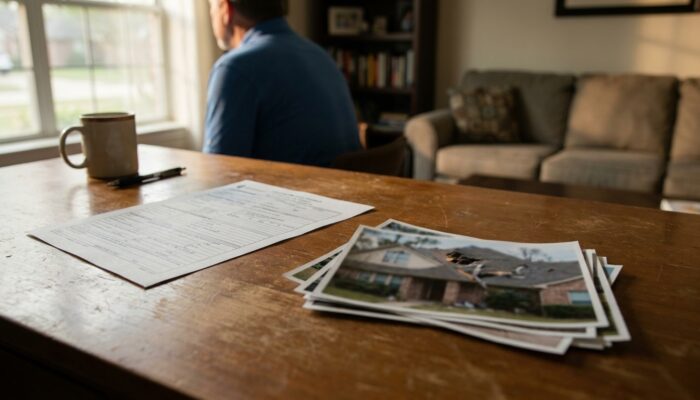
insurance claim form and property damage photos spread on wooden table

What Is a Proof of Loss and Why Do Houston Insurers Require It?

Understanding Proof of Loss Requirements for Houston Homeowners

If your Houston home suffers storm damage and you file an insurance claim, your insurer may require a proof of loss, a formal written statement detailing the occurrence, character, and extent of your loss. Many homeowners encounter this requirement only after a hurricane, hailstorm, or windstorm has disrupted their lives. Understanding what a proof of loss is, why insurers require it, and how Texas law protects you can mean the difference between a paid claim and a denied one.

If your insurer has denied or delayed your homeowner claim, Fitts Law Firm, PLLC can help you understand your rights. Call 713-871-1670 or reach out online to discuss your situation today.

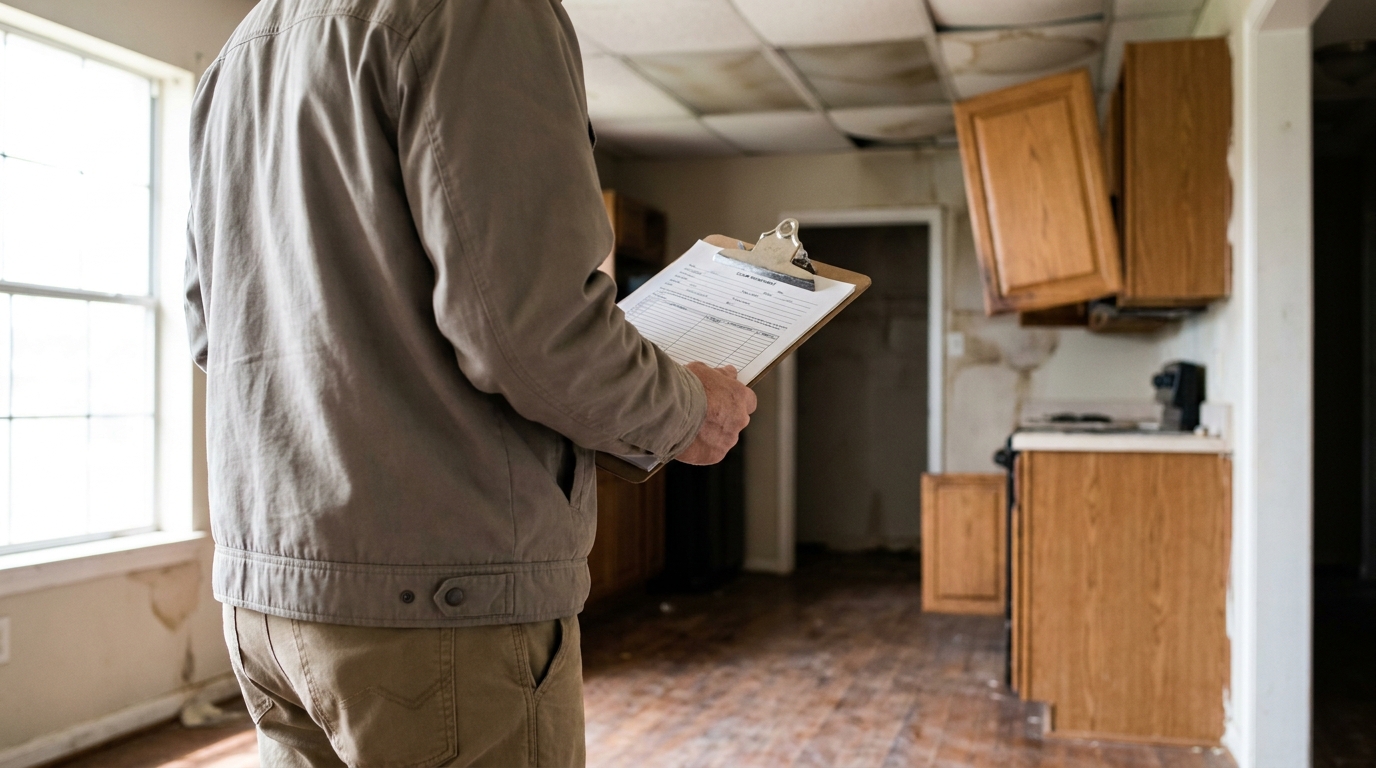
inspector holding clipboard with claim document inside severely damaged property

What a Proof of Loss Form Actually Requires

A proof of loss is a sworn, written document that formally communicates the details of your claimed loss to your insurance company. It typically requires you to describe what happened, what was damaged, and repair or replacement costs. Under Texas law, your insurer must request all items, statements, and forms it reasonably believes are required, including a proof of loss form, within 15 days after receiving notice of your claim.

The form serves a specific legal function. It provides the insurer with documented proof needed to evaluate your claim. You may submit it through any method your insurer accepts, including mail, fax, or email. Because this document directly affects whether your claim is accepted or denied, accuracy and thoroughness matter.

💡 Pro Tip: Before completing your proof of loss, photograph and inventory every damaged item. Visual evidence strengthens your estimates and makes disputes harder.

Why Houston Insurers Require Proof of Loss

Insurance companies use the proof of loss form as a gatekeeping tool in the Texas insurance claim process. It shifts the burden to you to document and quantify damages in a formal sworn statement. For Houston homeowners dealing with hurricane, hail, or wind damage, this requirement creates a significant hurdle when damage is extensive and costs are difficult to estimate quickly.

Insurers also rely on proof of loss submissions to set claim timelines. Under TEX. INS. CODE § 542.056, the insurer must notify you in writing whether it accepts or rejects the claim within 15 business days after receiving all required documentation. If the insurer cannot meet that deadline, it may request up to 45 days extension with written explanation.

What Happens If You Do Not Receive Claim Forms on Time

Your insurer has deadline obligations under Texas law. After receiving written notice of your claim, the insurer must acknowledge the claim, begin investigating, and request all necessary forms within 15 days per TEX. INS. CODE § 542.055. If the insurer fails to send required forms, including proof of loss, within that period, it generally cannot later use your failure to submit those forms as grounds for denial.

💡 Pro Tip: Mark the date you submitted written notice on a calendar. If 15 days pass without acknowledgment or forms, document that gap, it may become critical evidence later.

How to Complete and Submit Your Proof of Loss in Texas

Filling out a proof of loss form requires careful attention, but you do not need to rush. If your insurer pressures you to estimate losses before you can do a thorough job, write "undetermined" on the form, sign and submit it, then supplement it later with accurate figures. This protects your claim while giving you time to gather contractor estimates, inventory damaged belongings, and document property damage properly.

Key Steps for a Strong Submission

Organizing your submission reduces claim denial risk. Consider these steps:

  • Request your full policy to understand coverage requirements.
  • Photograph and video all damaged areas before repairs.
  • Obtain written estimates from licensed contractors.
  • Keep copies of every document sent to or received from your insurer.
  • Submit via a method creating a delivery record, such as certified mail or email with read receipt.

Written communication is essential. United Policyholders, a nonprofit consumer advocacy organization, advises Texas policyholders to communicate in writing with insurers for a clear paper trail. This prevents insurers from later claiming they never received critical information. Find additional guidance on policyholder rights in Texas from United Policyholders.

💡 Pro Tip: Send your proof of loss via certified mail with return receipt, and save a digital copy. Proving when and how you submitted the form can be decisive in disputes.

What Happens If You Miss the Proof of Loss Deadline

A late submission does not automatically destroy your claim. Under Texas law, if providing proof of loss within the policy’s timeframe was not reasonably possible, a late submission doesn’t mean automatic dismissal. Courts recognize that catastrophic storms, displacement, and damage assessment complexity can make strict compliance impractical.

However, do not treat the deadline casually. Insurers frequently use missed deadlines to deny or reduce claims. If you anticipate difficulty meeting your policy’s deadline, notify your insurer in writing, explain the circumstances, and request additional time.

If your insurer denies your claim after you submit proof of loss, or uses the form to delay payment, Texas law provides meaningful remedies. Chapter 542 of the Texas Insurance Code governs claim processing and settlement. Under TEX. INS. CODE § 542.060, if the insurance company delays payment beyond the statutory deadline, it may owe penalty interest plus reasonable attorney fees if you sue and win. For weather-related property damage claims under Chapter 542A, the interest rate is calculated by adding 5% to the rate under § 304.003 of the Texas Finance Code. For other claims, the rate is 18% per year.

Texas law also prohibits unfair claim settlement practices. Under 28 Tex. Admin. Code § 21.203 and Tex. Ins. Code Ch. 541, insurers may not misrepresent policy provisions, fail to attempt prompt fair settlements when liability is clear, or refuse to pay claims without reasonable investigation. If your insurer engaged in these practices, you may have grounds for a bad-faith action beyond original policy benefits.

Texas Prompt Payment Timeline Deadline Legal Authority
Insurer must acknowledge claim and begin investigation 15 days after receiving written notice TEX. INS. CODE § 542.055
Insurer must request all required claim forms (including proof of loss) 15 days after receiving notice of claim TEX. INS. CODE § 542.055
Insurer must accept or reject claim in writing 15 business days after receiving all required documentation TEX. INS. CODE § 542.056
Extension if insurer cannot meet 15-business-day acceptance deadline Up to 45 additional days with written explanation TEX. INS. CODE § 542.056

Your Rights Under the Texas Consumer Bill of Rights

The Texas Consumer Bill of Rights gives you specific protections when dealing with a denied home insurance claim. If the company denies your claim in whole or part, it must give you written reasons. You also have the right to reject any settlement amount the insurer offers, including unfair valuations.

💡 Pro Tip: If your insurer offers a low settlement, you’re not obligated to accept it. You may reject any amount, obtain your own estimates, and negotiate or pursue legal remedies for full covered value.

Protecting Your Claim From the Start

Every action after property damage affects whether your insurer pays or denies your claim. Strong homeowner claim documentation in Houston starts with immediate photographs and written records, continues through a carefully completed proof of loss, and extends to every insurer communication. If you’ve been denied, underpaid, or delayed, an experienced denied insurance claim attorney in Houston can evaluate whether your insurer violated the Texas Prompt Payment Act or engaged in unfair settlement practices.

💡 Pro Tip: Keep a dedicated folder for all claim documents including your policy, correspondence, photos, estimates, and proof of loss form. Organized records strengthen your position if litigation becomes necessary.

Frequently Asked Questions

1. Can my insurer deny my claim solely because I missed the proof of loss deadline?

What Texas Law Says About Late Proof of Loss Submissions

Not necessarily. Under Texas law, if providing proof of loss within the policy’s timeframe was not reasonably possible, a late submission doesn’t automatically invalidate your claim. However, insurers may still attempt to use missed deadlines as denial grounds, so documenting obstacles is critical.

2. What should I write on the proof of loss form if I do not know my total damages yet?

Handling Uncertain Damage Estimates

Write "undetermined" on your proof of loss form and submit it, then supplement later with complete figures. This protects your right to claim full damages while complying with the insurer’s request for timely submission.

3. How long does my insurer have to respond after I submit proof of loss?

Texas Prompt Payment Deadlines

Your insurer must notify you in writing whether it accepts or rejects your claim within 15 business days after receiving all necessary documentation, including proof of loss. If it cannot meet that deadline, it may take up to 45 additional days but must provide written explanation under TEX. INS. CODE § 542.056.

4. What penalties can my insurer face for delaying payment on a valid claim?

Interest and Penalties Under the Texas Insurance Code

Under TEX. INS. CODE § 542.060, an insurer that delays payment beyond the statutory deadline may owe penalty interest plus reasonable attorney fees if the policyholder sues and prevails. For weather-related property damage claims under Chapter 542A, the interest rate is variable, calculated by adding 5% to the rate under § 304.003 of the Texas Finance Code. For other claims, the rate is 18% per year.

5. Do I have the right to reject a low settlement offer from my insurer?

Your Right to Challenge Unfair Valuations

Yes. The Texas Consumer Bill of Rights specifically provides that you may reject any settlement amount offered by your insurer, including unfair valuations. You are not required to accept the first offer and may pursue additional remedies.

Taking the Next Step After a Denied or Delayed Claim

Navigating the proof of loss requirement in Texas demands attention to detail, strict deadlines, and clear understanding of your rights under the Texas Insurance Code. Houston homeowners facing insurer pushback do not have to handle the process alone.

If you need guidance on a denied or delayed homeowner insurance claim, contact Fitts Law Firm, PLLC by calling 713-871-1670 or scheduling a consultation online. Your claim deserves thorough review from a team that understands the Texas insurance claim process and fights for policyholders.

inspector holding documents reviewing visibly damaged roof shingles on residential property

What Is a Supplemental Insurance Claim and When Should You File One?

A supplemental claim is a request you file with your insurance company when you discover additional damage or higher repair costs after your original claim has been settled or partially paid. Filing a supplemental claim reopens your existing claim to seek the full amount you are owed under your policy. If you believe your insurance company underpaid or overlooked damage on your property, our team helps Houston homeowners with underpaid insurance claims.

For homeowners who have weathered hurricanes, hailstorms, and flooding, this situation is common. You may have received an initial payout, only to find hidden water damage behind walls, structural issues uncovered during repairs, or increased material costs. Many Texas homeowners do not realize they have this option, and insurers rarely volunteer the information.

Contractors and adjusters often call this request an insurance claim supplement, or simply a supplement. The first estimate reflects what the adjuster saw on the day of the inspection. A supplement adds what that visit missed or could not see, along with prices that no longer match the real cost of the work.

A supplement is not the same as a brand-new claim. A new claim involves a separate loss event with its own date of loss and deductible. A supplement stays with the original event and asks the insurer to finish paying for it.

In practice, a supplement is a package of proof: a revised estimate that lists each added item, photos or video of the newly found damage, and a short explanation of why the first figure fell short. The clearer that package is, the easier it is for an adjuster to match each new item to the original loss.

How the Supplement Process Works and When to File

Timing matters when filing a supplemental claim, and acting quickly protects your rights under Texas law. Most Texas homeowner insurance policies require claims to be made within one year of the date of loss. Your supplemental claim generally needs to fall within that same window. Waiting too long can give your insurer grounds to deny additional payments.

You should consider filing a supplemental claim when any of the following occur:

  • Your contractor’s repair estimate exceeds the insurance company’s original payout
  • Hidden or latent damage is discovered during repairs
  • Material or labor costs have increased significantly since your original settlement
  • A second weather event causes new damage to an area already under repair
  • Your original adjuster’s scope of loss missed documented damage

Steps in a Typical Supplement

  1. Record the added damage as soon as it turns up, with photos, video and dated notes.
  2. Ask your contractor for a revised estimate that lists each new item and its cost.
  3. Send the estimate and photos to your insurer with a short cover letter, and keep copies.

Always submit your supplemental claim in writing, whether by email or certified mail. Verbal requests are difficult to prove later if your insurer disputes the timeline or denies receiving your request.

Once your insurer receives notice of your supplemental claim, it must acknowledge the claim, begin investigation, and request any necessary information within 15 calendar days under § 542.055. After receiving all requested documentation, the insurer has 15 business days to accept or reject the claim under § 542.056. Once a claim is accepted, the insurer must issue payment within five business days.

In weather-related catastrophes, the Texas Department of Insurance has authority to extend certain claim handling deadlines. However, filing promptly and documenting everything in writing gives you the strongest position.

If the insurer refuses the supplement outright, our page on Texas denied insurance claim disputes covers what comes next.

Why a Supplement Matters When a Claim Falls Short

An insurance payment is only as complete as the estimate behind it. When the adjuster’s scope leaves out damage, the money for that damage is left out of the check too, and the claim can look closed while the repair bill keeps growing.

That gap usually falls on the homeowner, and it can be large when the first payment covered only the most visible repairs. Repairs rarely stop halfway, so people cover the difference with savings, credit or loans and hope to sort out the insurance later. A supplement brings the missing items back to the insurer with proof, so the claim is measured against the full loss instead of the first look.

The numbers can add up quickly. For example, say you have $250,000 in flood insurance and your original estimate provided that it would take $150,000 to repair your house. You received that money, but you also spend another $100,000 out of your pocket or from a loan to put your house together. In that example, the extra repair cost still falls within the policy amount, and a supplement is how the homeowner asks the insurer to account for it.

If your loss involves a flood policy, our guide on what to do about an underpaid flood insurance claim walks through the steps.

Large storms can create the same problem on a bigger scale. One condominium association that later turned to our firm described its buildings as hammered by Hurricane Ike, yet its insurer’s first estimate matched the deductible on its policy, which left the community paying for repairs on its own.

What a supplement can recover depends on the policy and on the proof behind each item. In general terms, it asks the insurer to pay for damage that was missed, work that proved larger than the estimate, and price changes that came before the repairs. The stronger the link between each new item and the original loss, the harder the request is to set aside. The TWIA Claims Process includes supplemental payment procedures allowing you to submit additional damage documentation even after initial payments.

Money an insurer holds back for depreciation is a separate issue from a supplement, and our article on recoverable depreciation in a homeowners claim explains how that holdback works.

Examples of Damage Found After the First Estimate

Houston’s climate exposes homes to repeated weather events, making supplemental claims a critical tool for policyholders. Hailstorms, tropical storms, and flooding can cause layered damage that a single inspection may not fully capture. An adjuster who visits days after a storm might document roof damage but miss moisture intrusion that only becomes apparent weeks later. High winds can compromise structural integrity, damage HVAC systems through pressure changes, and create pathways for water intrusion leading to mold and deterioration.

Contractors frequently discover additional damage once they begin tear-out and repair work. Removing damaged shingles might reveal rotted decking, or pulling up flooring could expose compromised subflooring. These findings represent legitimate additional losses covered under most homeowner policies. Understanding why you should file a supplemental claim can make the difference between absorbing repair costs out of pocket and receiving the coverage you paid for.

Other items that often turn up after the first visit include:

  • Water that spread under cabinets or into wall cavities and shows up weeks later as staining or swelling
  • Framing, insulation or drywall behind a damaged surface that could not be seen until that surface came off

Contractor overhead and profit is another line that can be missing from a first estimate, and our post on what overhead and profit covers on a claim explains it.

Before your contractor begins repair work, take detailed photos and video of the existing damage. Once repairs start, hidden damage may be uncovered, and having a clear record of the property’s condition at each stage strengthens your supplemental claim.

💡 Pro Tip: Request infrared scanning of your property after wind damage – this technology reveals hidden moisture intrusion that leads to future problems if not addressed.

If you and your insurer still disagree on the amount after a supplement is reviewed, it may help to learn how appraisal works in a home insurance dispute.

Talk With Fitts Law Firm

Our team can explain your options and next steps. Contact Fitts Law Firm for a consultation.

Contact us today

deteriorating residential house with damaged roof and legal documents on fence

What Is the Concurrent Causation Doctrine in Texas and Why Do Insurers Use It?

When a single storm sends wind, rain, and floodwater through your home simultaneously, your insurer may invoke “concurrent causation” to reduce or deny your entire claim. This legal doctrine applies when two or more events cause property damage at the same time, with at least one event excluded under your policy. In Houston, where hurricanes routinely produce both wind damage (covered) and flood damage (excluded), insurers frequently use this doctrine to avoid paying valid claims.

When an insurer pins the loss on flooding or another excluded cause and refuses to pay, our team reviews storm-related denied insurance claims in Texas.

Knowing how the doctrine works, and how the policy language around it is written, is the first step toward judging whether a denial should stand.

Understanding the Concurrent Causation Doctrine in Texas Insurance

In a storm claim, the overlap is easy to picture. For example, a hurricane may drive wind through your roof while simultaneously pushing floodwater into your first floor. Wind damage is typically covered under a standard Texas homeowner policy, but flood damage is not. When both forces contribute to the same loss, your insurer may argue the damage is inseparable and deny coverage entirely.

In Texas, the policyholder bears the burden of proving the cause of loss. If your insurer raises concurrent causation as a defense, you may need independent evidence, engineering reports and detailed documentation, to demonstrate which damage was caused by covered wind versus excluded flooding.

When the insurer leans on its own engineer, our guide on disputing an insurer’s engineer report explains how homeowners can answer it.

How Anti-Concurrent Causation Clauses Work

Most modern Texas homeowner policies contain an anti-concurrent causation (ACC) clause. This language typically states that if an excluded peril contributes to a loss in any way, even partially, the insurer owes nothing for the entire loss. Anti-concurrent causation (ACC) clauses are generally enforceable in Texas courts following the Texas Supreme Court’s decision in JAW The Pointe, LLC v. Lexington Ins. Co. (2015), although whether an ACC clause bars coverage in a specific claim depends on the particular facts and evidence.

That case began with a hurricane loss. A coastal Galveston apartment complex suffered damage from both wind (covered) and flood (excluded) during Hurricane Ike. The insurer paid the wind damage claim but denied coverage for ordinance-compliance costs that required demolition and rebuilding, arguing that both wind and flood contributed to the city’s “substantially damaged” determination.

Review your policy’s exclusion section for language stating losses are excluded “regardless of any other cause or event contributing concurrently or in any sequence to the loss.” That’s the ACC clause insurers rely on most in storm claims.

For background on how exclusions shape a claim decision, see our post on how a policy exclusion leads to a claim denial.

The Frymire Case and Its Impact on Texas Policyholders

The Fifth Circuit Court of Appeals certified questions to the Texas Supreme Court in Frymire Home Services, Inc. v. Ohio Security Insurance Company, asking whether the concurrent causation doctrine applies when non-covered damage like wear and tear exists but did not directly cause the loss. The Texas Supreme Court accepted those certified questions, but it never resolved them because the parties settled and the case was dismissed on December 3, 2021.

Organizations like United Policyholders argued that incidental pre-existing conditions shouldn’t give insurers blanket authority to deny otherwise covered claims under Texas law. This case highlights that concurrent causation boundaries in Texas remain fact-dependent and subject to evolving judicial interpretation.

Wear and tear comes up often in these disputes, and our post on the wear and tear exclusion in a homeowners policy explains how insurers use it.

Insurers make a similar argument about construction defects, which our post on how the faulty workmanship exclusion works covers.

Why Gulf Coast Homeowners Face More Concurrent Causation Denials

Houston’s geography and weather create a perfect environment for concurrent causation disputes. The city sits on the Gulf Coast, experiences frequent hurricanes, and contains vast flood-prone areas. More than half of homes flooded by Hurricane Harvey were outside designated flood zones, meaning many homeowners lacked separate flood policies.

Standard homeowners insurance in Texas excludes floods, earthquakes, landslides, and sewer backups unless the policyholder purchases separate coverage. The Texas Department of Insurance confirms most home policies exclude flood damage, requiring separate flood coverage. When storms produce both wind and water damage, insurers frequently use the flood exclusion with ACC clauses to deny claims for damage partially caused by covered wind.

If a separate flood policy also turned down part of the loss, our post on appealing a denied flood insurance claim covers that side of the dispute.

Coastal Wind Exclusions Add Another Layer

If you live on the Texas Gulf Coast, including parts of Harris County near Galveston Bay, your policy may not cover wind and hail damage at all. These homeowners must obtain separate windstorm coverage through the Texas Windstorm Insurance Association (TWIA). Location matters here, since TWIA coverage reaches only designated catastrophe areas. This separation creates additional concurrent causation disputes when single storms cause overlapping damage.

If you carry both a standard homeowner policy and TWIA windstorm policy, document storm damage immediately with photos, video, and notes. Early separation of wind from flood damage strengthens your position if either insurer raises concurrent causation.

When the wind side of a loss is the part in dispute, our page on wind damage claim disputes covers that ground.

Signs Concurrent Causation Shaped Your Denial

A denial letter does not always use the words concurrent causation. Look for a decision that blames flooding or another excluded cause for damage you believe wind created, or one that refuses the whole claim because part of the loss had an excluded source.

When you see those signs, set the insurer’s explanation beside your own photos, your contractor’s findings and the timeline of the storm. Gaps between what the letter says and what the evidence shows are where these disputes tend to turn.

Steps to Protect Your Claim When Concurrent Causation Is Raised

Taking the right steps early can make the difference between a paid claim and a denied one. Homeowners should approach the process strategically when multiple damage causes are involved.

  • Document everything immediately. Photograph and video all damage before cleanup or temporary repairs. Separate wind damage from water intrusion where possible.
  • File your claim promptly. Most Texas policies require claims within one year from the date of loss, though this varies. Missing this deadline can forfeit your claim.
  • Request a written explanation. If your insurer denies or underpays your claim, Texas law entitles you to written reasons. This document is essential for understanding whether concurrent causation was cited.
  • Obtain independent assessments. Your insurer’s adjuster works for the company. Consider hiring a public adjuster or independent engineer to evaluate damage causation separately.

Our post on what to look for in a Texas claim denial letter can help you read the insurer’s reasons closely.

Be aware that the Texas appraisal process has limits. While appraisal can resolve disputes over damage extent and pricing, it cannot determine cause of loss or override coverage denials. If your insurer denied your claim based on concurrent causation, appraisal alone won’t resolve the underlying coverage dispute in your favor.

Insurance checks are typically made payable to both you and your mortgage lender. Contact your lender early to understand their endorsement process so repairs aren’t delayed.

The Growing Push for Reform on Anti-Concurrent Causation Clauses

As more Texas homeowners face ACC-based denials, pressure on lawmakers continues to build. Consumer advocates note that the more people hurt by anti-concurrent causation clauses, the more likely politicians will act. California already maintains tight restrictions on ACC clauses due to earthquake and mudslide exposure. While Texas hasn’t followed suit, the volume of storm-related denials in Houston keeps the issue in public conversation.

For now, Texas policyholders must navigate the current legal landscape, which generally permits ACC clauses but leaves room for case-by-case judicial challenge. Working with a denied insurance claim attorney in Houston who understands how courts interpret these provisions can significantly affect your dispute outcome.

Talk With Fitts Law Firm

Our team can explain your options and next steps. Contact Fitts Law Firm for a consultation.

Contact us today

court reporter operating stenography machine during formal deposition in conference room

What Is an Examination Under Oath in a Houston Claim Denial?

Understanding the Examination Under Oath in Houston Home Insurance Denials

When your Houston home insurance claim is denied, you may face an examination under oath (EUO). An EUO is a formal, sworn statement your insurance company can require as a policy condition before deciding whether to pay your claim. Unlike a court deposition, an EUO occurs outside court and is driven by your insurance contract rather than judicial authority. For homeowners dealing with storm damage, roof leaks, or other covered losses, an EUO notice can feel intimidating, especially when the insurer has signaled it may deny or underpay your claim. Understanding what an EUO involves, why insurers request them, and how Texas law protects you can significantly impact your dispute’s outcome.

If your homeowner claim was denied in Houston and you need guidance, Fitts Law Firm, PLLC is ready to help. Call 713-871-1670 or reach out online to discuss your situation.

Insurance claim denial document and voice recorder on table during attorney meeting

How an EUO Differs From a Deposition

Many policyholders confuse an examination under oath with a deposition, but the two are legally distinct. A deposition occurs under court supervision after a lawsuit is filed, with attorneys raising objections throughout. An EUO is not court-supervised, and objections are generally inappropriate. Your insurer’s counsel will ask questions, and a court reporter will transcribe answers, but civil procedure rules governing depositions don’t apply the same way.

This distinction matters for your rights. Even if a lawsuit is triggered after an EUO is noticed, the insurer should proceed with the examination because a deposition doesn’t substitute for an EUO. The insurance company views the EUO as a contractual right under your policy, and noncompliance can provide grounds to deny your claim entirely. If you receive an EUO notice after filing a homeowner claim in Houston, take it seriously and prepare thoroughly.

💡 Pro Tip: Keep a detailed log of every communication with your insurer, including dates, names, and conversation summaries. This documentation proves invaluable if disputes arise.

Why Insurers Request an EUO During the Houston Insurance Denial Process

Insurance companies typically request an EUO when they have questions about a claimed loss’s legitimacy, scope, or cause. After hurricanes, hailstorms, or windstorms hit Houston, insurers may receive high claim volumes and use EUOs to investigate suspicious or unusually large claims. The examination allows the insurer to question you under oath about loss circumstances, damage extent, repair history, and submitted document accuracy.

Your policy language determines who can be examined. Some policies allow examination only of named insureds, while others extend the right to anyone seeking coverage. Review your policy’s cooperation clause carefully.

Insurers must still follow Texas law during investigations. Under 28 Tex. Admin. Code § 21.203 and Tex. Ins. Code § 542.056, if an insurance company denies your claim wholly or partially, it must provide written denial reasons. An EUO doesn’t give insurers license to delay claims indefinitely or use the process as a pretext for unfair denial.

💡 Pro Tip: Request a copy of the specific policy provision authorizing the EUO. Knowing the exact contractual basis helps you and your attorney evaluate whether the request is proper.

Texas Deadlines and Prompt Payment Rules That Protect Homeowners

Texas law imposes strict timelines on insurers handling property claims. Under the Texas Consumer Bill of Rights and Tex. Ins. Code Chapter 542, insurers must acknowledge claim receipt, begin investigation, and request all relevant information within 15 days of receiving notice. These prompt-pay provisions prevent insurers from delaying while homeowners await repair funds.

If your insurer unreasonably delays payment, financial penalties may apply. Under Tex. Ins. Code § 542.060, insurers failing to pay claims within statutory timeframes may owe penalty interest plus reasonable attorney’s fees if you sue and prevail. The default penalty rate is 18% annually for non-weather-related claims; however, for most Houston homeowner claims involving weather-related damage (hurricanes, hail, windstorms) governed by Chapter 542A, HB 1774 (2017) established a lower variable rate calculated by adding 5% to the judgment interest rate under Section 304.003 of the Finance Code (a rate that has been approximately 10, 13% in recent years).

Texas Prompt Payment Requirement Details
Acknowledgment and investigation deadline Within 15 days of notice of claim (Tex. Ins. Code Ch. 542)
Written denial requirement Must state reasons in writing (28 Tex. Admin. Code § 21.203)
Penalty interest for unreasonable delay 18% per year (general rule for non-weather-related claims); lower variable rate for Chapter 542A weather-related claims (post-September 1, 2017), 5% plus judgment interest (approximately 10, 13%).
Pre-suit notice requirement (post-2017, Chapter 542A claims) 60 days before filing suit, listing all damages

💡 Pro Tip: Mark every deadline on a calendar starting from your claim filing date. Insurer delays missing statutory windows may strengthen your position in future disputes.

What Happens if Your Houston Home Insurance Claim Is Denied After an EUO

A denial following an EUO doesn’t necessarily mean your claim lacks merit. Insurers sometimes use EUO findings selectively to justify denials, but Texas Insurance Code Chapter 541 prohibits unfair or deceptive insurance practices, including refusing to pay claims without reasonable investigation and failing to affirm or deny coverage within reasonable time.

You generally have three options if your claim is unfairly denied. You can appeal directly with your insurer, file a complaint with the Texas Department of Insurance by calling (800) 252-3439, or consult a denied insurance claim attorney in Houston who can evaluate whether the denial violated policy terms or Texas law.

Understanding Bad Faith and Unfair Settlement Practices

Texas Insurance Code § 541 and 28 Tex. Admin. Code § 21.203 define specific conduct constituting unfair claim handling. Prohibited practices include failing to affirm or deny coverage within reasonable time and refusing to pay claims without reasonable investigation. If your insurer scheduled an EUO primarily to create a denial record rather than genuinely investigate the loss, that conduct may support a bad-faith cause of action.

The Role of a Reservation of Rights Letter

Before or during an EUO, your insurer may send a reservation of rights letter. This letter indicates the insurer is investigating your claim but reserves the right to deny coverage based on certain policy provisions. Learn more about what a reservation of rights letter means for your Houston claim.

💡 Pro Tip: If your insurer denies your claim after an EUO, request written denial immediately. Texas law requires insurers to state reasons, making that written denial key evidence for potential legal action.

Pre-Suit Requirements for a Denied Insurance Claim Attorney in Houston to Know

Before filing a lawsuit against your insurer in Texas for weather-related property claims governed by Chapter 542A, you must satisfy pre-suit requirements enacted in 2017. Specifically, you must provide the insurer written notice at least 60 days before filing suit, listing all claimed damages. During that period, the insurer may conduct another property inspection. Noncompliance can limit your ability to recover attorney’s fees.

An EUO is typically treated as a precondition to filing suit. If a policyholder files a lawsuit after an EUO is noticed but before it occurs, the insurer can seek lawsuit abatement under the policy’s "Legal Action Against Us" provision, meaning the court may pause litigation until you complete the EUO.

How to Prepare for an Examination Under Oath

Preparation for an EUO should be thorough and methodical. Review your entire claim file, including your policy, all insurer correspondence, damage photographs, repair estimates, and independent inspector reports. The Texas Insurance Law Section offers practical guidance on how these examinations typically proceed.

  • Review your insurance policy’s cooperation and EUO clauses before the examination
  • Gather all requested documents, including receipts, estimates, and photographs
  • Understand the EUO will be transcribed and your answers are given under oath
  • Answer questions directly and honestly without volunteering extra information
  • Consider having legal counsel present to protect your rights

💡 Pro Tip: Never skip or refuse an EUO without legal counsel’s advice. Noncompliance with a valid EUO request can give your insurer contractual basis to deny your entire claim.

Frequently Asked Questions

1. Can my insurer deny my Houston homeowner claim solely because I refused an EUO?

In many cases, yes. Most homeowner insurance policies include a cooperation clause requiring you to submit to an examination under oath when requested. If you refuse without legally valid reason, the insurer may argue you breached policy terms and deny the claim on that basis.

2. How long does my insurer have to respond after I file a claim in Texas?

Under Texas law, your insurer must acknowledge your claim, begin investigation, and request relevant information within 15 days of receiving notice. These timelines are set by Texas Prompt Payment of Claims provisions in Tex. Ins. Code Chapter 542.

3. What penalties can an insurer face for unreasonably delaying my claim?

Under Tex. Ins. Code § 542.060, insurers that unreasonably delay payment may owe penalty interest plus reasonable attorney’s fees if you file suit and prevail. The default penalty rate is 18% annually for non-weather-related claims; for weather-related property claims governed by Chapter 542A, HB 1774 (2017) replaced the 18% rate with a variable rate equal to 5% plus the judgment interest rate under Section 304.003 of the Finance Code (approximately 10, 13% in recent years).

4. Is an EUO the same as a deposition?

No. An EUO is a contractual obligation under your insurance policy, conducted outside court. A deposition occurs during litigation under court rules. During an EUO, standard courtroom objections are generally inappropriate, and the examination isn’t subject to the same procedural protections.

5. What should I do if my insurer acts in bad faith after my EUO?

You may have a cause of action under Texas Insurance Code Chapter 541, which prohibits unfair or deceptive acts by insurers. Document every interaction, preserve all correspondence, and consult with an insurance dispute attorney in Houston TX who can assess whether the insurer’s conduct violated the statute.

Protecting Your Rights After a Houston Home Insurance Denial

Facing an examination under oath during a claim dispute can be stressful, but understanding the process strengthens your position. Texas law provides meaningful protections for homeowners, from prompt-pay deadlines to penalties for bad-faith conduct. Whether your insurer has requested an EUO, denied your claim, or delayed payment after a storm, knowing your rights under Tex. Ins. Code Chapters 541 and 542 is the first step toward holding your insurer accountable.

If you are dealing with a Houston home insurance denial and need trusted legal guidance, contact Fitts Law Firm, PLLC today. Call 713-871-1670 or schedule a consultation to discuss your claim and explore your options.