Author: fittslawfirm

Senior couple seated on sofa speaking with man holding tablet during meeting

What Is Bad Faith Insurance and How Does It Affect Houston Homeowners?

Bad faith insurance occurs when your insurance company unreasonably denies, delays, or underpays a legitimate homeowner claim. For Houston homeowners facing hurricane season, hailstorms, and flooding, a denied or underpaid claim can be devastating. Texas law provides strong protections for policyholders. Chapter 541 of the Texas Insurance Code defines and prohibits unfair methods of competition and unfair or deceptive acts or practices in the business of insurance (Tex. Ins. Code § 541.001). When an insurer violates these rules, you may have the right to take legal action and recover damages.

If your home insurance claim was denied or underpaid, Fitts Law Firm, PLLC can help you understand your options. Call 713-871-1670 or reach out online to discuss your situation today.

How Texas Law Defines Bad Faith Insurance for Homeowners

Texas has enacted specific statutes that hold insurance companies accountable when they act unfairly toward policyholders. The Unfair Claims Settlement Practices Act defines prohibited practices including misrepresenting policy provisions, failing to attempt good faith settlement where liability is reasonably clear, and compelling policyholders to sue by offering substantially less than what is owed. Chapter 541 of the Texas Insurance Code creates a framework covering misrepresentation, false advertising, unfair settlement practices, and coercion (Tex. Ins. Code §§ 541.051, 541.052, 541.060, 541.054). Coercion and intimidation are addressed under § 541.054.

The statute favors policyholders. Under Tex. Ins. Code § 541.008, the chapter must be liberally construed to promote its protective purposes. Courts in Houston and across Texas interpret these provisions to support homeowners’ rights.

💡 Pro Tip: Keep a written log of every phone call, email, and letter you exchange with your insurance company. Documentation strengthens your position if you pursue a bad faith claim.

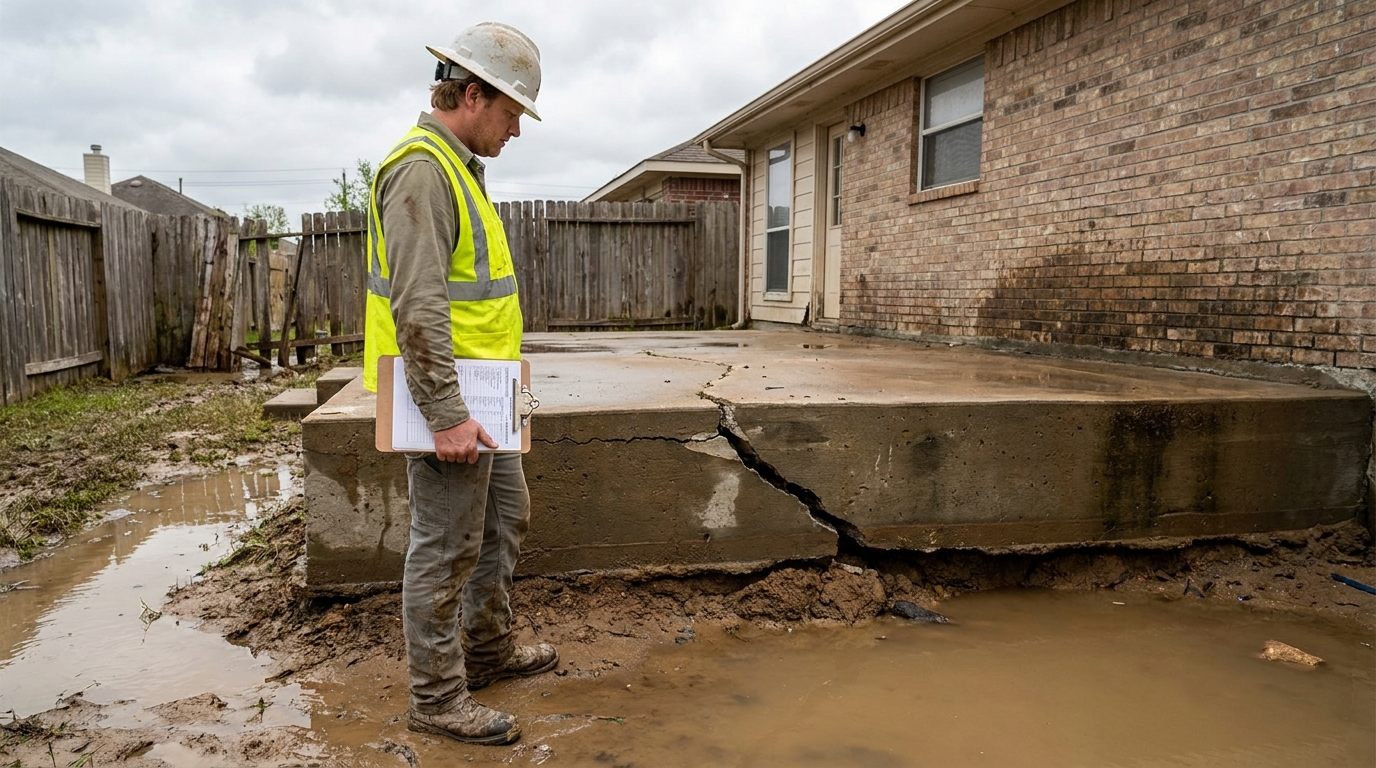
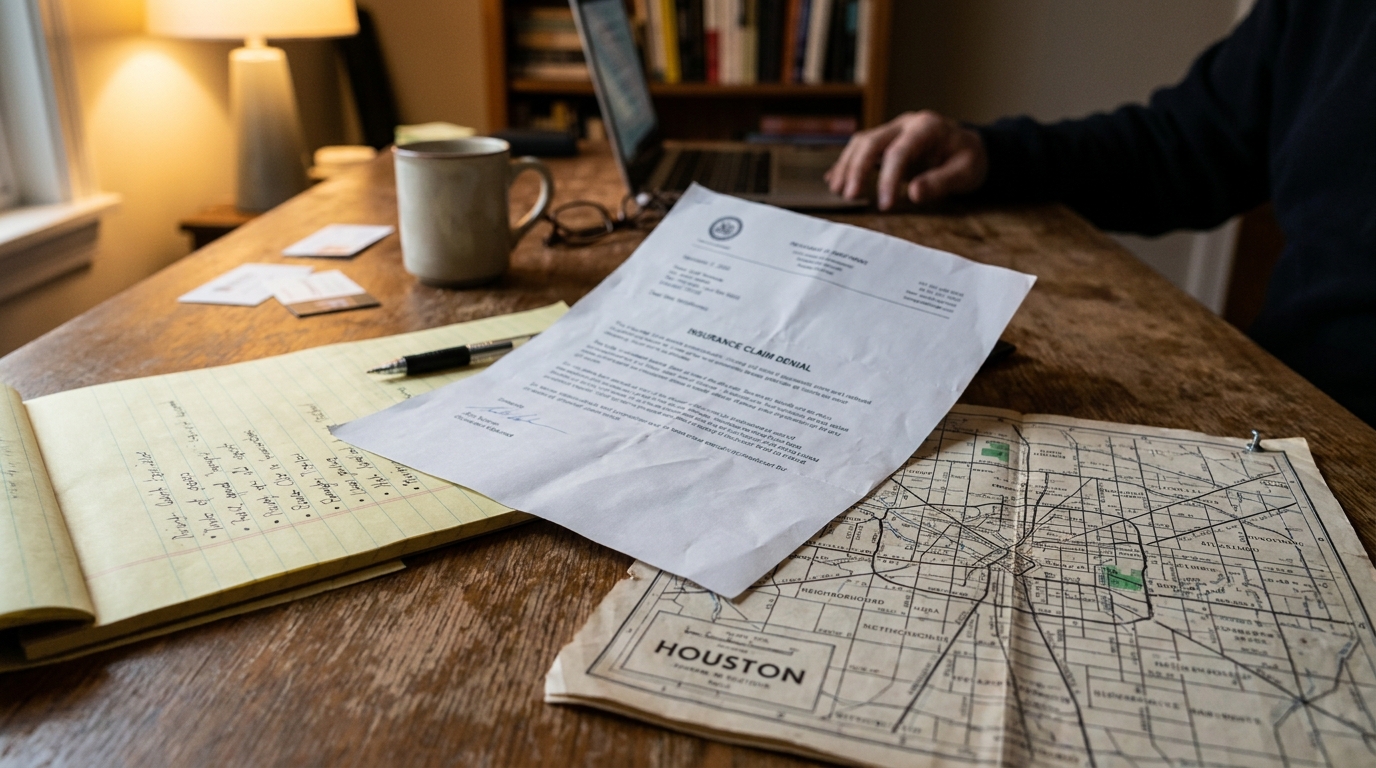
Houston Homeowners Facing Bad Faith Insurance Claim Denial

Common Bad Faith Tactics Houston Homeowners Should Recognize

Insurance companies use tactics that may constitute bad faith under Texas law. Recognizing these behaviors early helps protect your rights. Under 28 Tex. Admin. Code § 21.203, unfair claim settlement practices include failing to attempt in good faith to effectuate prompt, fair, and equitable settlements where liability has become reasonably clear.

Denial Without a Reasonable Investigation

One common complaint involves insurers denying claims without proper review. After a major storm, your insurer may send an adjuster who spends minimal time inspecting significant damage. Texas law requires insurers conduct a reasonable investigation before rejecting a claim. If your insurer denied your claim without thoroughly evaluating the damage, that decision may violate state law.

Unreasonable Delays in Processing

Delays can be as harmful as outright denials. Many homeowners wait months for a response while living with damaged roofs, water intrusion, or structural issues. The Texas Prompt Payment of Claims Act (PPCA) sets firm deadlines that insurers must follow, and violations carry real consequences.

Lowball Settlement Offers

Some insurers offer settlements far below actual repair costs, hoping you will accept out of frustration. When an insurer compels a policyholder to file a lawsuit by offering substantially less than what is owed, that conduct violates Chapter 541.

💡 Pro Tip: Before accepting any settlement, get an independent estimate from a licensed contractor or public adjuster. Comparing assessments can reveal whether you are being shortchanged.

Your Rights Under the Texas Prompt Payment of Claims Act

The PPCA establishes strict timelines that insurers must follow when handling your homeowner claim. Understanding these deadlines gives you a clear framework for evaluating whether your insurer is acting in good faith. The PPCA applies to a wide range of insurers in Texas.

Key PPCA Deadlines Every Homeowner Should Know

Timeline Requirement Deadline Statute
Acknowledge receipt of claim and begin investigation 15 days after receiving written notice of the claim (30 business days for surplus lines insurers) Tex. Ins. Code § 542.055
Accept or reject the claim in writing 15 business days after receiving all items, statements, and forms required to secure final proof of loss Tex. Ins. Code § 542.056
Extended review period (with written explanation) 45 additional days beyond the initial 15-business-day deadline Tex. Ins. Code § 542.056(d)
Pay the claim after acceptance 5 business days after notifying the claimant of acceptance (20 business days for surplus lines insurers) Tex. Ins. Code § 542.057

If your insurer misses these deadlines, they face real penalties. Under Tex. Ins. Code § 542.060, insurers who fail to comply must pay interest at 18% per annum on the claim amount, plus reasonable attorney’s fees.

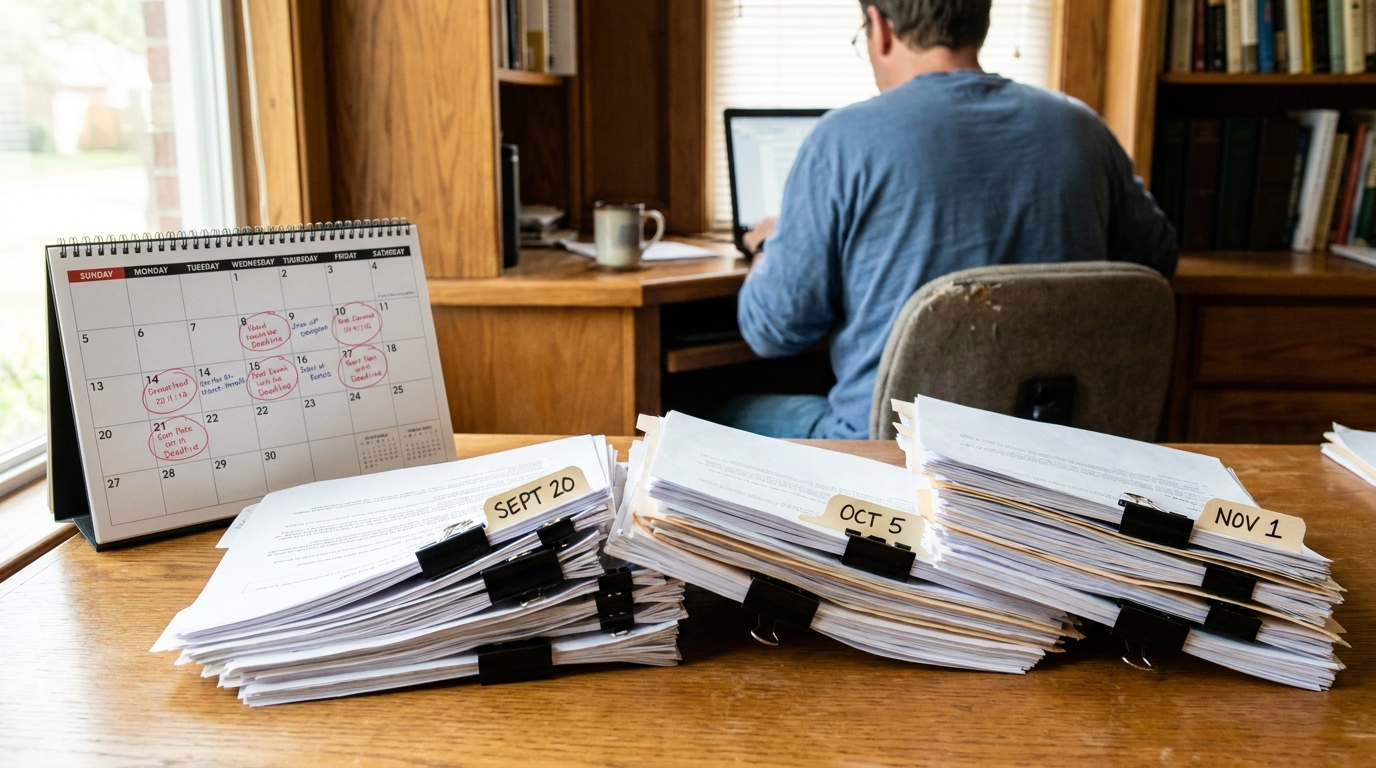
💡 Pro Tip: Mark the date you submitted your claim on your calendar. If 15 days pass without acknowledgment, that silence may be a PPCA violation worth documenting.

What a Denied Insurance Claim Attorney in Houston Can Do for You

When your insurer acts in bad faith, a denied insurance claim attorney in Houston can help you fight back. Under Tex. Ins. Code § 541.151, policyholders who sustain actual damages from unfair or deceptive insurance practices may file a lawsuit. However, under § 541.154, you must first provide written notice of the specific complaint and the amount of actual damages and attorney’s fees not later than the 61st day before filing a lawsuit under Chapter 541. An attorney experienced in these cases can ensure you meet every procedural requirement and build the strongest possible case.

Damages You May Recover

Chapter 541 provides a private right of action under Subchapter D, giving homeowners the ability to sue insurers that engage in prohibited practices. Recoverable damages may include actual cost of repairs, additional living expenses, court costs, reasonable attorney’s fees, and other losses caused by the insurer’s conduct. Under Tex. Ins. Code § 541.152, if you prove the insurer acted knowingly, courts may award up to three times actual damages. However, if the insurer makes a settlement offer under § 541.156 and the amount awarded is substantially the same or less, your recovery may be limited under § 541.159.

If you believe your insurer has engaged in bad faith tactics, learning how to prove bad faith in your specific situation is an important next step.

💡 Pro Tip: Texas law requires written notice to be provided not later than the 61st day before filing a bad faith lawsuit under Chapter 541. Send this notice by certified mail so you have proof of delivery.

How to Protect Yourself After a Houston Homeowner Claim Denial

Taking the right steps immediately after a denial can significantly affect your ability to recover. Houston homeowners should be proactive:

  • Request the denial in writing. Ask your insurer to provide a detailed explanation of why your claim was denied, including specific policy provisions.
  • Document everything. Photograph all damage, save correspondence, and keep receipts for temporary repairs.
  • Get an independent damage assessment. Hire a licensed contractor or public adjuster for an unbiased evaluation.
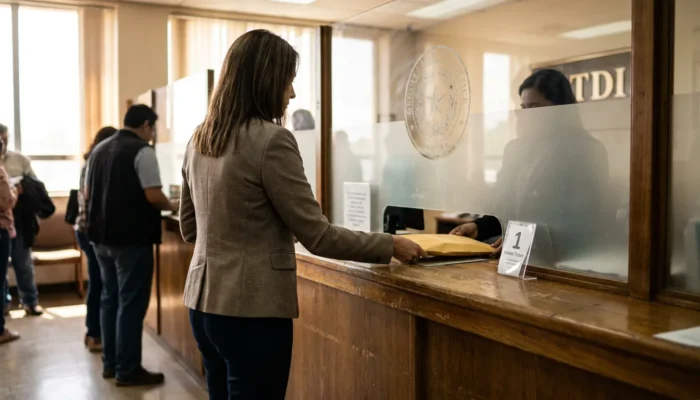
  • File a complaint with the Texas Department of Insurance. The TDI oversees insurers and can impose penalties. File complaints at 800-252-3439 or through their online portal.
  • Consult an attorney promptly. Statutes of limitations and notice requirements mean delays could limit your options.

The Texas Department of Insurance serves as an additional resource, but filing a TDI complaint is an administrative process separate from any civil lawsuit. Both avenues can work together to hold your insurer accountable.

Why Bad Faith Insurance Claims Matter for Houston Homeowners

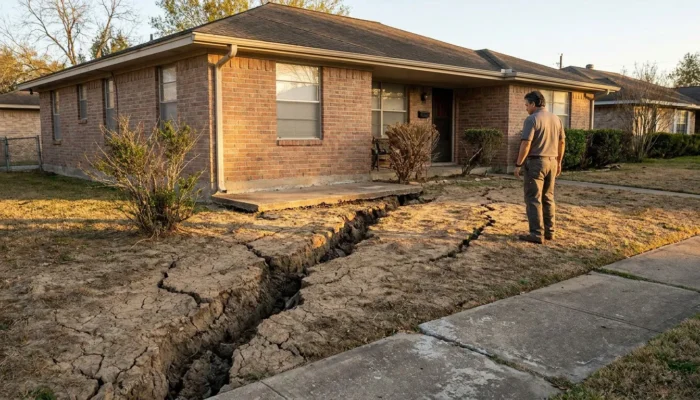
Houston’s geography and climate make homeowners particularly vulnerable to insurance disputes. Hurricanes, tropical storms, hail, and flooding cause widespread damage, and the volume of claims after major weather events can lead insurers to cut corners. When an insurance company denies or underpays a valid claim, the financial burden falls on families already struggling to recover.

Working with a denied insurance claim attorney in Houston can make a meaningful difference in your recovery. An attorney who understands Chapter 541, the PPCA, and insurer tactics can evaluate your claim, identify violations, and pursue the compensation you deserve.

💡 Pro Tip: If your insurer sends an engineer or adjuster to inspect your property, you have the right to be present and to hire your own independent professional for a separate evaluation.

Frequently Asked Questions

1. What qualifies as bad faith insurance in Texas?

Bad faith occurs when an insurer unreasonably denies, delays, or underpays a claim without proper justification. Under Chapter 541 of the Texas Insurance Code, prohibited practices include misrepresenting policy provisions, failing to conduct a reasonable investigation, and refusing to settle claims where liability is reasonably clear.

2. How long does my insurance company have to respond to my claim in Texas?

Under the PPCA, your insurer must acknowledge receipt of your claim within 15 days of receiving written notice (Tex. Ins. Code § 542.055). After receiving all required items for final proof of loss, the insurer has 15 business days to accept or reject the claim. If additional time is needed, the insurer may request a 45-day extension with written explanation.

3. What damages can I recover in a bad faith insurance lawsuit?

You may recover actual damages, court costs, and reasonable attorney’s fees, and if you prove the insurer acted knowingly, courts may award up to three times your actual damages under Tex. Ins. Code § 541.152. Actual damages can include repair costs, temporary housing expenses, and other losses caused by the insurer’s conduct. PPCA penalties may also include 18% per annum interest on the claim amount.

4. Do I need to send a notice before suing my insurance company?

Yes. Under Tex. Ins. Code § 541.154, you must provide written notice of the specific complaint and the amount of actual damages and attorney’s fees not later than the 61st day before the date the action is filed. The notice must include the specific complaint and the amount of actual damages and attorney’s fees claimed. Failing to provide required notice could result in your case being abated or limit your ability to recover attorney’s fees.

5. Can I file a complaint with the Texas Department of Insurance?

Yes. The TDI accepts complaints from consumers who believe their insurer handled a claim unfairly. You can file a complaint by calling 800-252-3439 or through the TDI website. A TDI complaint is an administrative process separate from any civil lawsuit you may file.

Take Action to Protect Your Home and Your Rights

Bad faith insurance practices can leave Houston homeowners facing costly repairs with no support from the company they paid premiums to for years. Texas law provides real protections through Chapter 541 and the PPCA, but enforcing those rights often requires legal action. If your home insurance claim was denied, delayed, or underpaid, understanding your options is critical.

Fitts Law Firm, PLLC is ready to help Houston homeowners navigate denied insurance claims and bad faith disputes. Call 713-871-1670 or contact us today to schedule a consultation and learn how Texas law may apply to your situation.

Hands signing contract at desk during business agreement meeting

What Happens After a Houston Home Insurance Claim Is Denied?

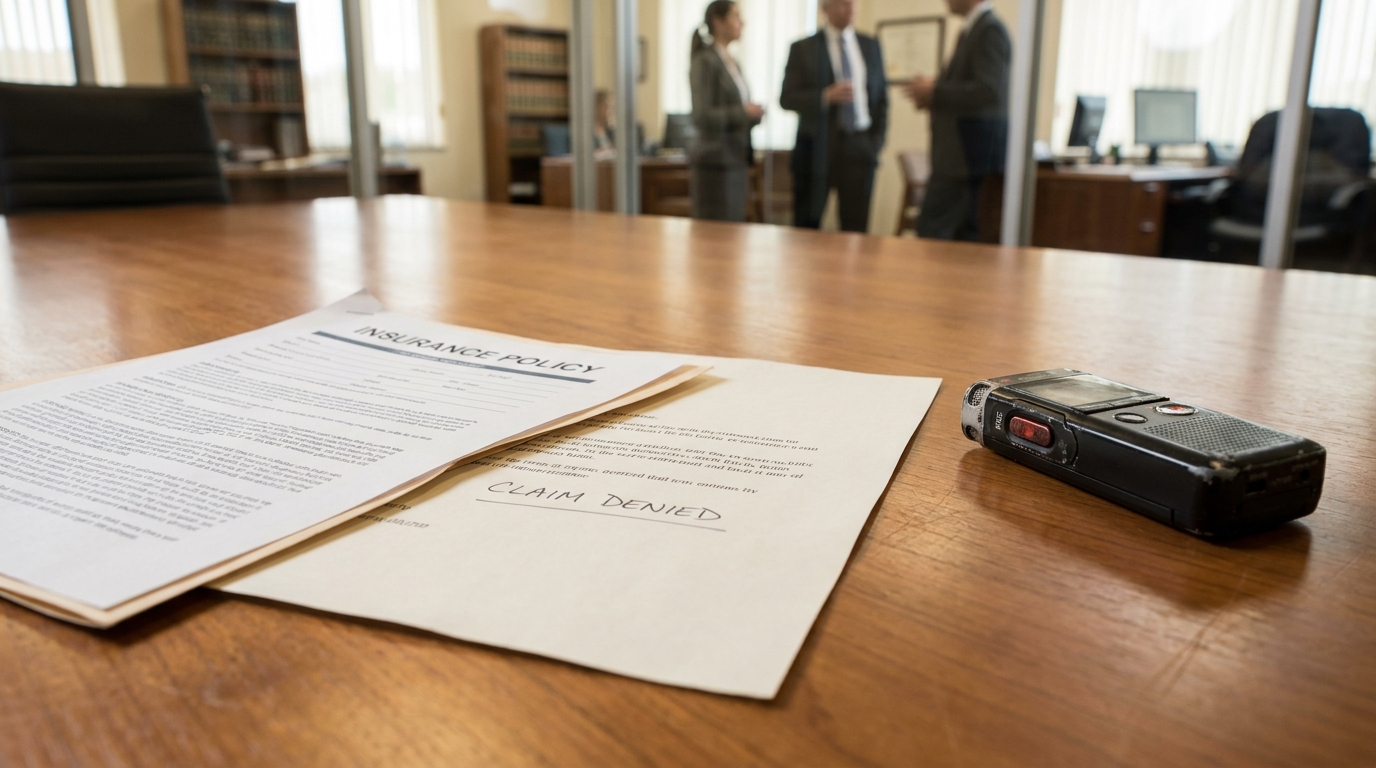
A denied home insurance claim can feel like a second disaster. You filed expecting your insurer to honor the policy you’ve been paying for, only to receive a denial letter that leaves you wondering what went wrong. A denial is not the final word. Texas law provides homeowners multiple avenues to challenge unfair denials, from administrative complaints and appraisal to filing a lawsuit for breach of contract or bad faith.

If your home insurance claim was denied in Houston and you need guidance, Fitts Law Firm, PLLC is here to help. Call 713-871-1670 or reach out online to discuss your situation.

Why Houston Home Insurance Claims Get Denied

Insurance companies deny homeowner claims for various reasons, and not all are legitimate. Understanding common denial reasons can help you identify whether your insurer’s justification holds up, including alleged policy exclusions, claims that damage resulted from lack of maintenance rather than a covered peril, disputes over damage extent, or missed deadlines. In Houston, where hurricanes, hailstorms, and flooding routinely damage properties, insurers may argue specific storm-related damage falls outside your coverage.

Insurers may rely on reports from their own adjusters that understate damage or misrepresent policy coverage. Under Texas Insurance Code Chapter 541, insurers are prohibited from unfair settlement practices, including misrepresenting policy terms, failing to promptly explain a denial, or refusing to pay claims without reasonable investigation (Tex. Ins. Code §541.060).

💡 Pro Tip: Always request a written explanation for your claim denial. Texas law entitles you to understand the specific policy provisions your insurer relied on, and that written record becomes critical evidence if you dispute the decision.

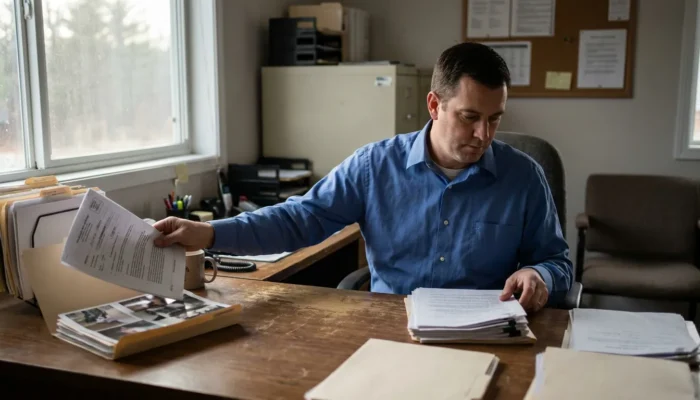
Insurance Adjuster Inspecting Houston Home After Claim Denial

Your Rights Under the Texas Consumer Bill of Rights

The Texas Department of Insurance created a Consumer Bill of Rights for homeowners and renters, and your insurer is required by law to provide you with a copy. This document outlines protections you’re entitled to as a policyholder, including the right to receive clear coverage information and fair treatment during the claims process.

What the Bill of Rights Covers

The Consumer Bill of Rights addresses your right to file complaints, understand premium calculations, and challenge unfair decisions. Review additional guidance on policyholder rights in Texas to better understand how state law works in your favor.

Steps to Take After Your Houston Home Insurance Claim Is Denied

Acting quickly and strategically after a denial can significantly improve your chances of a favorable outcome. Below are the primary steps Houston homeowners should consider.

Review Your Policy and the Denial Letter

Start by reading your denial letter alongside your actual policy language. Insurers sometimes cite exclusions that don’t apply to your loss. Compare the stated reason against your policy’s declarations page, coverage sections, and exclusion provisions.

Contact Your Insurer in Writing

Put your disagreement in writing rather than relying on phone calls alone. Written correspondence creates a paper trail that may prove essential later. Clearly state why you believe the denial was wrong and reference specific policy language supporting your position.

💡 Pro Tip: Send all correspondence via certified mail or email with read receipts for proof of delivery and a clear timeline.

File a Complaint With the Texas Department of Insurance

If you cannot resolve the dispute directly with your insurer, you can file a formal complaint with the Texas Department of Insurance (TDI). TDI investigates complaints where policyholders believe they were treated unfairly. Call TDI’s consumer Help Line at 800-252-3439, available Monday through Friday, 8 a.m. to 5 p.m. A TDI complaint is separate from any civil lawsuit you may pursue.

The Appraisal Process: A Path to Resolving Damage Disputes

When the disagreement centers on how much the insurer should pay rather than whether coverage exists, the appraisal process may apply. Most homeowner insurance policies in Texas contain an appraisal clause. If your insurer refuses to adjust its estimate, you can invoke this process to reach a binding determination of the loss amount.

How Appraisal Works

Each side hires its own appraiser, and the two appraisers select a neutral third party known as the umpire. If the appraisers cannot agree on the loss value, the umpire reviews the differences, and a written agreement signed by any two of the three (both appraisers, or one appraiser and the umpire) sets the binding amount of loss. This framework was recognized in State Farm Lloyds v. Johnson, 290 S.W.3d 886 (Tex. 2009).

You pay your appraiser’s expenses and half of the umpire’s fees. Despite this cost, appraisal can be faster and less expensive than litigation when the core issue is the dollar amount of covered damage.

Option Best Used When Key Consideration
TDI Complaint Insurer acted unfairly or violated regulations Administrative process; does not award damages
Appraisal Dispute over damage amount, not coverage Binding result; policyholder pays own appraiser plus half of umpire
Mediation Both sides willing to negotiate Non-binding unless agreement is reached
Lawsuit Bad faith, coverage denial, or statutory violations Subject to applicable statutes of limitations

💡 Pro Tip: Appraisal only resolves disputes about the amount of loss. If your insurer denied coverage entirely, you may need to pursue legal action.

How a Denied Insurance Claim Attorney in Houston Can Help

An attorney experienced in denied insurance claims can evaluate whether your insurer’s denial holds up under Texas law. This includes reviewing your policy, analyzing the insurer’s stated reasons, and identifying potential violations of the Texas Insurance Code. A denied insurance claim attorney in Houston can help you navigate appraisal, file a TDI complaint, or pursue litigation when necessary.

Filing a Lawsuit Against Your Insurer

Texas law gives policyholders the right to sue their insurance company or pursue alternative dispute resolution through mediation. Under Texas Insurance Code Chapter 541, individual homeowners have a private cause of action (Tex. Ins. Code §541.151). Review the full text of Chapter 541 for additional detail on prohibited insurer conduct.

If you prevail in a lawsuit, the remedies can be significant. Policyholders who win may recover actual damages, court costs, and reasonable attorney’s fees (Tex. Ins. Code §541.152). In cases where the insurer acted knowingly, courts may award up to three times actual damages. Additionally, under Tex. Ins. Code §542.060, the insurer may owe interest at 18% per year on the unpaid claim amount if it violated the Texas Prompt Payment of Claims Act, though for weather-related property claims subject to Chapter 542A, the interest rate is calculated differently.

Hiring a Public Insurance Adjuster

Some homeowners hire a public insurance adjuster when they disagree with the insurer’s damage assessment. A public adjuster works on your behalf to evaluate damage and negotiate with the insurance company. Weigh the potential benefit against the cost before hiring one.

💡 Pro Tip: Preserve all documentation related to your claim, including photographs of damage, repair estimates, and every piece of correspondence with your insurer. This evidence is essential to building a strong case.

Critical Deadlines: The Statute of Limitations in Texas

Time limits apply to insurance disputes in Texas, and missing them can permanently bar your claim. Breach of contract claims are generally subject to a four-year statute of limitations, while claims under Chapter 541 for unfair or deceptive practices must typically be filed within two years. Generally, these periods begin from the date of denial: Chapter 541 claims accrue upon issuance of the denial letter, while breach of contract claims typically accrue when facts come into existence authorizing a judicial remedy, regardless of when the plaintiff learns of the injury. The discovery rule (‘knew or should have known’) is a narrow exception that Texas courts apply only in rare circumstances.

Acting promptly is especially important after storm damage in Houston. Delays can make it harder to document your property’s condition and may give the insurer additional arguments against your claim. If you’re unsure whether your deadline has passed, consulting with a Houston denied claim lawyer as soon as possible is the safest course.

💡 Pro Tip: Mark the date of your denial letter on your calendar and work backward from the earliest applicable deadline. Starting early gives you time to gather evidence and explore all options.

Frequently Asked Questions

1. What should I do first if my home insurance claim is denied in Houston?

Review your denial letter and policy carefully. Compare the insurer’s stated reason against your actual policy language. Document any inconsistencies and put your disagreement in writing. Consider speaking with an attorney who handles denied property insurance claims.

2. Can I file a complaint with the Texas Department of Insurance?

Yes. If you believe your insurance company treated you unfairly, you can file a formal complaint with TDI. Call TDI’s Help Line at 800-252-3439. A TDI complaint is an administrative remedy and does not replace your right to file a civil lawsuit.

3. How long do I have to sue my insurance company in Texas?

The deadline depends on the claim type. Breach of contract claims are generally subject to a four-year statute of limitations, while statutory bad faith claims under Chapter 541 must typically be filed within two years. Act well before the earliest applicable deadline.

4. What is the appraisal process, and when does it apply?

Appraisal is a contractual process found in most Texas homeowner policies that resolves disputes over the amount of a covered loss. Each side selects an appraiser, and a neutral umpire makes the final binding decision if the appraisers cannot agree. You pay your appraiser’s costs and half of the umpire’s fees. Appraisal generally doesn’t address whether coverage exists.

5. What damages can I recover if I win a lawsuit against my insurer?

Under Texas Insurance Code §541.152, policyholders who prevail may recover actual damages, court costs, and reasonable attorney’s fees. If the insurer acted knowingly, courts may award up to three times actual damages. The insurer may also owe 18% annual interest on the unpaid amount under Tex. Ins. Code §542.060, though a different interest rate formula applies to weather-related property claims subject to Chapter 542A.

Protecting Your Home and Your Rights After a Denial

A denied home insurance claim doesn’t have to be the end of the road for Houston homeowners. Texas law provides meaningful protections, from the Consumer Bill of Rights and TDI complaint process to appraisal and the right to file a lawsuit for bad faith or statutory violations. The key is understanding which path fits your situation and acting before critical deadlines expire.

If your homeowner claim was denied in Houston, Fitts Law Firm, PLLC can help you evaluate your legal options. Call 713-871-1670 or contact us today to get started.

What Is the Difference Between a Denied and Underpaid Claim in Texas?

What Is the Difference Between a Denied and Underpaid Claim in Texas?

When you file a homeowner’s insurance claim after storm damage or property loss in Houston, you expect your insurer to honor your policy. Unfortunately, many Texas policyholders discover that their claims are either completely denied or paid at a fraction of their actual value. Understanding the difference between a denied claim and an underpaid claim is essential for protecting your rights and determining your next steps. A denied claim means your insurance company refuses to pay anything, while an underpaid claim means they accept some liability but offer significantly less than your damages warrant. Both situations can leave Houston homeowners struggling to repair their properties and may indicate bad faith practices by your insurer.

If you believe your insurance company has wrongfully denied or underpaid your property damage claim, Fitts Law Firm, PLLC can help you understand your options. Call 713-871-1670 or contact us today to discuss your situation.

Understanding Denied Insurance Claims in Texas

A denied insurance claim occurs when your insurer refuses to provide any payment for your submitted claim. This means the insurance company has reviewed your claim and determined they will not cover the loss. In Texas, insurers must provide a written explanation for any denial, stating the reasons based on your policy terms and applicable law. Common reasons for denials in Houston include alleged policy exclusions, disputes over the cause of damage, or claims that the policyholder failed to meet policy conditions.

Texas law requires insurers to handle claims fairly and in good faith. Every insurance policy contains an implied covenant of good faith and fair dealing, which applies to all types of homeowner’s insurance. Denying a valid claim without a legitimate reason constitutes an unreasonable denial and may violate this fundamental duty. When an insurance company violates this covenant, it may be liable for damages beyond the original value of the claim.

What Makes a Denial Wrongful?

Not every denial is wrongful, but many Houston homeowners face unjustified claim rejections. A denial becomes potentially actionable when your insurer refuses coverage without conducting a reasonable investigation or fails to provide a reasonable explanation for their decision. Under Texas Insurance Code §541.060, insurers must promptly provide policyholders a reasonable explanation of the basis in the policy, in relation to the facts or applicable law, for the denial of a claim.

💡 Pro Tip: Always request your denial in writing and carefully compare the stated reasons against your actual policy language. Insurers sometimes cite exclusions that do not actually apply to your specific situation.

How Underpaid Claims Differ From Denials

An underpaid claim occurs when your insurer accepts liability but offers far less than your actual damages. This is sometimes called a "lowball settlement offer," where the insurance company hopes you will accept a reduced amount out of frustration or financial pressure. For Houston homeowners dealing with storm damage, an underpaid claim can mean receiving a check that covers only a portion of necessary roof repairs while ignoring interior water damage or structural issues.

Underpayment often reflects the same bad faith practices as outright denials. Under Texas Insurance Code Chapter 541, it is an unfair settlement practice for an insurer to fail to attempt in good faith to effectuate a prompt, fair, and equitable settlement of a claim when the insurer’s liability has become reasonably clear. Offering substantially less than actual claim value directly violates this standard.

Signs Your Claim May Be Underpaid

Several red flags indicate your insurance company may have underpaid your property damage claim. Watch for these common warning signs:

  • The settlement amount does not cover repair estimates from licensed contractors
  • Your insurer’s adjuster spent minimal time inspecting the damage
  • The payment excludes certain damaged areas you documented and reported
  • Your insurer pressures you to sign a full release before completing all repairs
  • The offer arrives unusually quickly without thorough investigation

Texas law specifically prohibits insurers from compelling policyholders to sue by offering substantially less than amounts ultimately recovered in litigation. This protection exists because insurers sometimes intentionally lowball claims, hoping homeowners will accept inadequate payments rather than pursue legal action.

💡 Pro Tip: Obtain at least two independent repair estimates from reputable Houston contractors before accepting any settlement offer. This documentation can help demonstrate the true value of your claim.

Why a Denied Insurance Claim Attorney in Houston Can Help

Both denied and underpaid claims require similar legal strategies to resolve successfully. A Houston homeowner claim denial lawyer understands how to gather evidence, interpret policy language, and hold insurers accountable for bad faith conduct. Whether your claim was completely rejected or significantly underpaid, the legal framework for challenging your insurer’s decision involves proving that coverage exists, demonstrating the extent of your damages, and showing that the insurer acted unreasonably.

Texas provides meaningful remedies for policyholders who prove insurance bad faith. Policyholders who prove their insurer knowingly violated Chapter 541 may recover up to three times their actual damages, plus attorney’s fees. These enhanced damages exist to deter insurers from routinely underpaying or denying valid claims.

Building Your Case Against the Insurer

Strong documentation forms the foundation of any successful insurance dispute. Keep detailed records of all communications with your insurer, including dates, names of representatives, and summaries of conversations. Photograph all damage thoroughly and preserve any damaged materials when possible. Independent inspections by contractors, engineers, or public adjusters can provide crucial evidence to rebut the insurer’s findings.

If you need guidance on what to do when your claim is denied, understanding your options early can make a significant difference in your outcome.

Texas Deadlines and Requirements for Insurance Claims

Texas insurers must follow strict timelines when handling your claim. Under Texas Insurance Code §542.056, insurers must accept or reject a claim in writing within 15 business days of receiving all necessary information. If the insurer cannot accept or reject a claim within that 15-day period, it must explain in writing why it needs additional time, and then has an additional 45 days from the date of that written notice to make a decision.

These prompt payment requirements apply to both the denial and underpayment context. An insurer that fails to affirm or deny coverage within a reasonable time violates Texas law. Similarly, refusing to pay a claim without conducting a reasonable investigation is prohibited under §541.060(a)(7).

💡 Pro Tip: Mark your calendar when you submit claim documentation. If your insurer misses the 15-business-day deadline or the subsequent 45-day extension, this timing violation may strengthen your case and entitle you to additional remedies.

Steps to Challenge a Denied or Underpaid Claim

Taking prompt action improves your chances of a successful resolution. If you believe your Houston property damage claim was wrongfully denied or underpaid, consider these important steps:

  • Review your policy carefully to understand your coverage and any exclusions
  • Request a complete copy of your claim file from the insurer
  • Document all damage with photographs, videos, and written descriptions
  • Obtain independent repair estimates from licensed contractors
  • Keep copies of all correspondence with your insurance company
  • Consider filing a complaint with the Texas Department of Insurance

The Texas Department of Insurance oversees how insurance companies operate in the state. They can impose penalties on your insurance company if it did not comply with laws requiring insurers to handle claims fairly and in good faith. Filing a complaint creates an official record of your dispute and may prompt the insurer to reconsider their position.

Your Right to Sue Under Texas Law

Texas policyholders who sustain actual damages from unfair or deceptive insurance practices may file a lawsuit. Under Texas Insurance Code §541.151, you may sue an insurance company that caused you damages through unfair practices. However, you must provide a 60-day written notice of your claim before filing suit. This notice requirement gives the insurer an opportunity to resolve the dispute before litigation.

Working with a denied insurance claim attorney in Houston can help you navigate these procedural requirements and build the strongest possible case.

💡 Pro Tip: The 60-day notice requirement is separate from any statute of limitations. Send your notice promptly to preserve your legal options and avoid unnecessary delays.

Protecting Yourself From Unfair Settlement Tactics

Insurance companies sometimes use aggressive tactics to minimize claim payments. One prohibited practice involves enforcing a full and final release when only a partial payment has been made. Under Texas law, insurers cannot force you to release all future claims in exchange for an inadequate partial payment, unless the payment represents a genuine compromise of a disputed claim.

Understanding your rights helps you avoid common traps. For more information about Texas insurance consumer rights, review resources from consumer advocacy organizations. Never sign a release or accept a "final" payment until you fully understand what rights you may be waiving.

Frequently Asked Questions

1. What is the main difference between a denied and underpaid insurance claim?

A denied claim means your insurer refuses to pay anything, claiming your loss is not covered. An underpaid claim means they accept some responsibility but offer significantly less than your actual damages. Both situations may indicate bad faith practices, and Texas law provides remedies for policyholders in either circumstance.

2. How long does my insurance company have to respond to my claim in Texas?

Texas insurers must accept or reject your claim in writing within 15 business days of receiving all required documentation. If they need more time, they must explain why in writing and then have an additional 45 days from the date of that written notice to make a decision. Missing these deadlines may entitle you to additional remedies.

3. Can I sue my insurance company for underpaying my claim?

Yes, Texas law allows policyholders to sue insurers for unfair settlement practices, including underpayment. You must first provide a 60-day written notice of your claim. If you prove the insurer knowingly violated Texas Insurance Code Chapter 541, you may recover up to three times your actual damages plus attorney’s fees.

4. What should I do if my homeowner’s insurance claim is denied?

Request the denial in writing and review the stated reasons against your policy language. Document all damage thoroughly, obtain independent repair estimates, and consider filing a complaint with the Texas Department of Insurance. Consulting with a Houston property damage claim attorney can help you evaluate whether the denial was wrongful and what options you have.

5. How do I know if my insurance company acted in bad faith?

Bad faith may exist when an insurer denies a valid claim without legitimate reason, fails to investigate properly, or offers far less than actual damages. Other indicators include unreasonable delays, failure to explain denials, and pressure to accept inadequate settlements. Texas law prohibits these practices and provides remedies for affected policyholders.

Take Action to Protect Your Claim

Understanding the difference between denied and underpaid claims empowers Houston homeowners to fight back against unfair insurance practices. Whether your insurer refused to pay anything or offered a lowball settlement, Texas law provides meaningful protections and remedies. The key is acting promptly, documenting everything, and understanding your rights under the Texas Insurance Code.

If your homeowner’s insurance claim has been denied or underpaid after storm damage or property loss, Fitts Law Firm, PLLC is ready to help you pursue the compensation you deserve. Call 713-871-1670 or reach out online to schedule a consultation and learn more about your legal options.

Is Wear and Tear a Valid Reason to Deny Houston Hail Claims?

Is Wear and Tear a Valid Reason to Deny Houston Hail Claims?

Houston homeowners know how quickly hailstorms can damage roofing, siding, and exterior surfaces. Receiving a denial citing "wear and tear" can feel frustrating when you expect coverage. While insurers can legitimately deny claims for pre-existing deterioration unrelated to a covered event, they cannot use wear and tear as a blanket excuse to avoid paying for actual hail damage. Texas law requires insurance companies to conduct reasonable investigations and provide specific, written explanations for any denial. If your insurer attributed storm damage to ordinary aging without proper documentation, you may have grounds to challenge that decision.

If your hail damage claim was denied and you believe the wear and tear explanation is unfounded, Fitts Law Firm, PLLC may be able to help. Call 713-871-1670 or contact us online to discuss your situation.

Understanding Wear and Tear Denials in Houston Home Insurance Claims

When an insurer denies a hail damage claim citing wear and tear, they argue the damage existed before the storm occurred. This denial suggests normal aging, weathering, or lack of maintenance caused the reported condition. Insurance policies typically exclude coverage for gradual deterioration because homeowners are expected to maintain their property.

However, this exclusion does not give insurers unlimited authority to reject legitimate storm damage claims. Under Texas law, insurance companies must provide a reasonable written explanation tied to both policy language and actual facts. A blanket wear-and-tear denial without proper inspection or documentation may constitute an unfair claim settlement practice. The burden is on the insurer to demonstrate that damage resulted from pre-existing conditions rather than the covered storm event.

How Insurers Investigate Hail Damage Claims

Insurance adjusters typically inspect the property, review photographs, and sometimes hire engineers to assess damage cause. A thorough investigation should distinguish between impact marks consistent with hail and patterns suggesting long-term deterioration. Signs of legitimate hail damage include random denting, granule loss in certain areas, and damage to multiple surfaces hit from the same direction.

Problems arise when insurers rush through inspections or rely on biased reports to support predetermined denials. If your insurer’s adjuster spent minimal time at your property or the engineering report ignores obvious hail impacts, this may indicate an inadequate investigation. Texas regulations prohibit refusing to pay claims without conducting a reasonable investigation.

💡 Pro Tip: Document your property immediately after a hailstorm by taking photographs and video of all affected areas. This evidence can establish that damage occurred during the storm rather than from prior wear.

Texas Insurance Code Protections for Denied Insurance Claim Disputes

The Texas Insurance Code Chapter 542, known as the Unfair Claim Settlement Practices Act, provides significant protections for policyholders facing wrongful denials. This statute applies to storm insurance companies, making it directly relevant to Houston homeowners dealing with storm-related disputes. Insurers who violate these provisions may face serious consequences.

One important protection involves the prohibition against misrepresenting policy provisions or pertinent facts. Under the Texas Insurance Code, insurers cannot knowingly misrepresent facts or policy provisions relating to coverage. If an insurance company falsely attributes hail damage to pre-existing wear and tear, this could constitute a violation.

Deadlines Insurance Companies Must Follow

Texas law establishes strict timelines for claim handling. Your insurance company must send written notice approving or denying your claim within 15 business days after receiving all necessary information. If unable to meet this deadline, the insurer must explain why in writing and then has 45 days to accept or reject the claim.

When a claim is approved, payment must follow promptly. The insurer must send payment within 5 days after approval. Missing this deadline may result in the insurer owing interest and attorney’s fees. During disasters, the Texas Department of Insurance can extend claim handling deadlines by an additional 15 days.

💡 Pro Tip: Keep a written log of every communication with your insurance company, including dates, names, and conversation summaries. This documentation can be valuable if you need to demonstrate delays or inconsistencies.

What Must Be Included in a Hail Claim Denial Letter

If your insurer rejects a hail claim, Texas law requires them to provide a written reason. This means a wear and tear denial must be specifically documented and justified. The denial letter should explain what policy provisions the insurer relied upon and how the facts support their decision.

Vague or generic denial letters may indicate improper investigation. Under Texas regulations, unfair practices include failing to promptly provide a reasonable explanation of the basis in the insurance policy in relation to the facts for denial. If your denial letter simply states "wear and tear" without explaining how that conclusion was reached, you may have grounds to challenge it.

Red Flags in Wear and Tear Denials

Certain patterns suggest an insurer may be improperly using wear and tear to avoid legitimate payments. Watch for these warning signs:

  • The adjuster spent minimal time inspecting your property
  • The denial came quickly without thorough documentation
  • The engineer report ignores visible hail impacts
  • Your neighbors with similar homes received coverage for the same storm
  • The denial letter lacks specific details about alleged pre-existing damage

Any of these factors may indicate the insurer did not attempt in good faith to effect a prompt, fair, and equitable settlement. Texas law prohibits delay tactics when liability is reasonably clear.

Working with a Denied Insurance Claim Attorney in Houston

When your hail damage claim is wrongfully denied, working with a denied insurance claim attorney in Houston can help level the playing field. Insurance companies have teams of adjusters, engineers, and lawyers protecting their interests. Having legal representation ensures your rights are properly asserted.

An attorney can review your denial letter, policy language, and evidence to determine whether the wear and tear explanation holds up. They can also help gather independent evidence, such as reports from contractors or engineers who can distinguish between storm damage and pre-existing deterioration.

Texas policyholders whose claims are wrongfully denied may have several potential legal avenues. These include breach of contract claims if the insurer failed to honor policy terms, and claims under the Texas Insurance Code for unfair settlement practices. Insurers who delay or wrongfully deny claims face penalties including 18% annual interest on the claim amount plus reasonable attorney’s fees.

The statute of limitations affects how long you have to pursue claims. In Texas, property damage claims generally have a two-year statute of limitations, while breach of contract claims may have a four-year period. Insurance Code claims also carry a two-year limitation. The discovery rule may extend these periods when damage is not immediately apparent.

💡 Pro Tip: Do not assume missing an initial deadline means you have no options. Different legal claims have different limitation periods, so consulting with an attorney promptly can clarify your specific situation.

Steps to Take After a Houston Home Insurance Denial

Taking organized action after receiving a denial can strengthen your position. If your insurer claims wear and tear caused the damage, consider these steps.

First, request a complete copy of your claim file from the insurer. This should include adjuster’s notes, photographs, and engineering reports. Reviewing these materials can reveal whether the investigation was thorough.

Second, obtain an independent assessment of the damage. A qualified roofing contractor or public adjuster can provide a second opinion on whether damage is consistent with hail impacts.

Third, understand your administrative options. Policyholders who cannot resolve disputes can file a complaint with the Texas Department of Insurance by calling the Consumer Help Line at 800-252-3439. The TDI oversees how insurance companies operate and can impose penalties on insurers that fail to handle claims fairly. Learn more about insurance consumer rights in Texas through consumer advocacy resources.

💡 Pro Tip: When getting a second opinion, ask the contractor to specifically document characteristics that distinguish hail damage from wear-related deterioration, such as impact patterns, dent shapes, and affected materials.

When a Wear and Tear Denial May Cross Into Bad Faith

Insurance bad faith occurs when an insurer unreasonably denies, delays, or underpays a valid claim. Using wear and tear as a pretext to avoid paying for actual hail damage could constitute bad faith conduct, particularly if the insurer knew or should have known that storm damage caused the loss.

Several factors may indicate bad faith in a wear and tear denial. If the insurer’s own photographs show obvious hail impacts, if adjuster’s notes contradict the denial letter, or if the engineering report ignores standard indicators of storm damage, these inconsistencies may suggest the denial was not made in good faith.

If you are wondering what to do after your property insurance claim is denied, understanding your legal rights is an important first step.

Frequently Asked Questions

1. Can my insurance company deny a hail claim just by saying it is wear and tear?

Insurers cannot simply issue a blanket wear and tear denial without proper investigation and documentation. Texas law requires denials include a reasonable written explanation tied to the policy and facts.

2. How long does my insurance company have to respond to my Houston hail damage claim?

Your insurer must acknowledge your claim promptly and notify you in writing whether it accepts or rejects the claim within 15 business days after receiving all necessary information. If unable to meet this deadline, the insurer must explain why and then has 45 days to issue a decision.

3. What damages can I recover if my insurer wrongfully denied my hail claim?

If an insurer violates Texas prompt payment requirements, the policyholder may be entitled to recover the claim amount plus 18% annual interest and reasonable attorney’s fees. Additional damages may be available under the Texas Insurance Code or Deceptive Trade Practices Act.

4. How long do I have to file a lawsuit against my insurance company in Texas?

Property damage claims in Texas generally have a two-year statute of limitations, while breach of contract claims may have a four-year period. Consulting with an attorney promptly can clarify applicable deadlines for your situation.

5. Should I accept my insurance company’s offer to reinspect my property?

A reinspection can be an opportunity to present additional evidence, but prepare carefully. Consider having your own contractor or public adjuster present to document what is observed. Be cautious about signing documents that could limit your rights.

Protect Your Rights After a Hail Damage Claim Denial

Houston homeowners dealing with wrongful wear and tear denials have legal protections under Texas law. Insurance companies must conduct reasonable investigations, provide written explanations for denials, and process valid claims promptly. When insurers fail to meet these standards, policyholders may have options to pursue the coverage they deserve.

If you received a wear and tear denial for hail damage and believe your claim was improperly rejected, Fitts Law Firm, PLLC is ready to review your situation. Call 713-871-1670 or reach out through our contact page to discuss your denied property claim and learn what options may be available.

What Does Chapter 541 Mean for Denied Houston Home Claims?

What Does Chapter 541 Mean for Denied Houston Home Claims?

When your Houston homeowner’s insurance claim gets denied after a storm, flood, or other covered loss, you may feel powerless against a large insurance company. However, Texas law provides significant protections for policyholders facing unfair treatment. Chapter 541 of the Texas Insurance Code establishes your right to fight back against insurers who engage in deceptive practices, delay payments without cause, or deny legitimate claims without proper investigation.

If your home insurance claim was denied or underpaid in Houston, Fitts Law Firm, PLLC can help you understand your legal options. Call 713-871-1670 or contact us online to discuss your situation.

Understanding Chapter 541 of the Texas Insurance Code

Chapter 541 serves as one of the primary legal tools Texas homeowners can use when insurance companies act in bad faith. The statute’s purpose is to regulate trade practices in the insurance business by defining and prohibiting unfair methods of competition or deceptive acts. This means the legislature specifically intended to protect consumers from insurer misconduct.

The chapter addresses different aspects of policyholder protection, including general provisions, specific unfair practices, determination and sanctions, private actions for damages, and enforcement. For Houston homeowners dealing with denied claims, the most relevant sections involve unfair settlement practices and the private right of action allowing you to sue your insurer.

One important aspect is its broad definition of who can be held liable. The statute defines "person" to cover insurance companies, agents, brokers, and adjusters. This means individual adjusters who engage in deceptive conduct may face personal liability for their actions, providing additional accountability in the claims process.

💡 Pro Tip: Document every interaction with your insurance company and adjusters in writing. Keep copies of all emails, letters, and notes from phone calls with dates and names. This documentation becomes critical evidence if you need to pursue a Chapter 541 claim.

Prohibited Unfair Settlement Practices Under Texas Law

Section 541.060 specifically defines the unfair settlement practices insurers cannot engage in when handling your claim. These prohibited practices include misrepresenting material facts or policy provisions relating to coverage, failing to promptly provide reasonable explanations for claim denials, and refusing to pay claims without conducting reasonable investigations.

The statute addresses common tactics insurance companies use to avoid paying legitimate claims. If your insurer denies your Houston home claim but cannot explain what policy provision justifies that denial, they may be violating Section 541.060. Similarly, if an insurer issues a denial before thoroughly investigating damage to your property, that premature decision could constitute an unfair insurance practice.

How These Protections Apply to Houston Homeowners

Houston’s unique weather challenges, including hurricanes, severe thunderstorms, and flooding, make these protections particularly relevant. When storm damage occurs, insurance companies sometimes attempt to minimize payouts or attribute damage to excluded causes without proper investigation. Chapter 541 gives you legal recourse when insurers fail to treat your claim fairly.

💡 Pro Tip: If your insurer denies your claim, request a detailed written explanation citing specific policy language. Under Texas law, insurers must provide reasonable explanations for denials, and their failure to do so may support a Chapter 541 claim.

Your Private Right of Action as a Denied Insurance Claim Attorney in Houston Can Explain

Subchapter D of Chapter 541 authorizes policyholders to file private lawsuits against insurers for unfair or deceptive practices. This means you do not have to wait for a government agency to take action. You have the independent right to pursue your insurer in court when they violate the statute.

Section 541.152 outlines the remedies available to prevailing plaintiffs. If you succeed in your claim, you may recover actual damages, court costs, reasonable attorney’s fees, injunctive relief, or other relief the court deems proper. These remedies are designed to make you whole after suffering harm from your insurer’s misconduct.

Treble Damages for Knowing Violations

Perhaps the most powerful deterrent in Chapter 541 is the provision allowing treble damages when an insurer knowingly violates the law. Under Section 541.152(b), if the trier of fact determines that the defendant knowingly committed the complained act, they may award up to three times your actual damages. If your insurer deliberately engaged in unfair practices, you could potentially recover triple what you lost.

This treble damages provision serves as a significant financial deterrent for insurers acting in bad faith. Insurance companies understand that knowing violations carry substantially higher financial exposure. For Houston homeowners with denied claims, establishing that an insurer’s conduct was knowing rather than merely negligent can significantly increase potential recovery.

💡 Pro Tip: Preserve all evidence of your property damage, including photographs, videos, and repair estimates from independent contractors. This evidence helps establish both the extent of your covered loss and whether the insurer’s investigation was reasonable.

Procedural Requirements Before Filing Suit

Texas law requires policyholders to follow certain procedural steps before filing a Chapter 541 lawsuit. Section 541.154 mandates that you provide prior notice before initiating legal action against your insurer. Understanding and complying with these requirements is essential to preserving your legal rights.

The statute also includes provisions designed to discourage meritless lawsuits. Section 541.153 addresses frivolous actions and imposes penalties for claims brought without proper basis. Working with a Houston home insurance denial attorney can help ensure your claim has proper legal foundation before proceeding.

Settlement and Mediation Options

Chapter 541 includes procedural provisions that may apply during dispute resolution. Subchapter D contains sections addressing settlement offers and mediation. These provisions can affect how your case proceeds and the strategic decisions involved in pursuing your claim. Section 541.162 establishes a limitations period, meaning you must act within certain timeframes to preserve your rights.

How Chapter 542A Affects Your Claim

In addition to Chapter 541, Houston homeowners should understand Chapter 542A and how it impacts property damage claims. This chapter added presuit notice requirements, attorney’s fee thresholds, and other provisions that affect how insurance disputes proceed. These changes have shifted some procedural advantages toward insurers in property damage claims.

The attorney’s fee provisions under Chapter 542A create specific requirements that can impact your case. A policyholder generally must recover at least 80% of their presuit demand to be eligible for full attorney’s fees. This creates strategic considerations when formulating your initial demand.

Chapter 542A also includes provisions affecting who can be named as defendants. The statute allows insurers to accept liability for their agents’ acts, potentially dismissing those agents from lawsuits. You can read more about these concerns from consumer advocacy organizations.

💡 Pro Tip: Before accepting any settlement offer, consider whether the amount adequately compensates you for all covered damages. Early, lowball offers are common, and accepting may waive your rights to pursue additional compensation.

Policyholders often benefit from combining a Chapter 541 claim with other legal theories when challenging a denied home claim. Combining a Chapter 541 claim with the Texas Deceptive Trade Practices Act (DTPA) has historically provided attorneys a formidable tool to address insurer misconduct. However, subsequent legislation has affected how these claims can be combined in certain property damage cases.

Understanding the relationship between different statutes helps maximize your potential recovery. For comprehensive information about Chapter 541’s full text and structure, you can review the official statute.

Key protections available to Houston homeowners under Texas insurance law include:

  • The right to sue insurers directly for unfair or deceptive practices
  • Potential recovery of actual damages, court costs, and attorney’s fees
  • Treble damages when insurers knowingly violate the law
  • Protections against unreasonable claim denials and delayed payments
  • Accountability for individual adjusters who engage in misconduct

Steps to Take When Your Houston Home Claim Is Denied

If your insurance company denies or underpays your Houston home claim, taking immediate action can protect your rights. First, request a complete written explanation of the denial, including specific policy provisions the insurer relies upon. Review your policy carefully to understand what coverage you purchased and whether the denial appears justified.

Gathering independent evidence to support your claim is essential. Obtain repair estimates from licensed contractors unaffiliated with your insurance company. If your insurer relied on an engineering report to deny your claim, consider having an independent engineer evaluate the damage.

When evaluating your insurer’s conduct, consider whether they:

  • Provided a timely and reasonable explanation for denying your claim
  • Conducted a thorough investigation before reaching their decision
  • Accurately represented your policy provisions and coverage
  • Responded to your communications promptly and professionally
  • Offered a fair settlement amount based on your actual damages

💡 Pro Tip: Texas has specific deadlines for insurers to acknowledge, investigate, and pay claims. If your insurer misses these deadlines without valid justification, they may be subject to penalties under the Texas Prompt Payment statutes in addition to Chapter 541 claims.

Frequently Asked Questions

1. What constitutes bad faith insurance denial in Houston under Texas law?

Bad faith generally occurs when an insurer denies or underpays a claim without a reasonable basis or fails to properly investigate before making coverage decisions. Under Chapter 541, specific unfair settlement practices include misrepresenting policy provisions, failing to provide reasonable explanations for denials, and refusing to pay claims without conducting reasonable investigations.

2. How long do I have to file a claim under Chapter 541?

Section 541.162 establishes a limitations period for bringing Chapter 541 claims. The specific timeframe depends on various factors, and courts interpret these deadlines strictly. Because missing these deadlines can permanently bar your claim, consulting with an attorney promptly after your claim is denied is advisable.

3. Can I sue my insurance adjuster personally for bad faith?

Under Chapter 541’s broad definition of "person," individual adjusters may potentially face liability for engaging in unfair or deceptive practices. However, Chapter 542A includes provisions that may affect whether adjusters remain as defendants in property damage claims.

4. What damages can I recover if I win my Chapter 541 case?

Prevailing plaintiffs under Section 541.152 may recover actual damages, court costs, reasonable attorney’s fees, injunctive relief, or other appropriate relief. Additionally, if the trier of fact finds the insurer knowingly violated the statute, you may be awarded up to three times your actual damages.

5. Do I need to notify my insurer before filing a lawsuit?

Yes, Section 541.154 requires policyholders to provide prior notice before filing a Chapter 541 action. Failing to comply with this procedural requirement could affect your ability to pursue your claim. Understanding these prerequisites is essential, which is why learning what to do when your property insurance claim is denied early in the process is important.

Protect Your Rights After a Denied Houston Home Claim

Chapter 541 of the Texas Insurance Code provides meaningful protections for Houston homeowners facing unfair treatment from their insurance companies. From prohibiting deceptive settlement practices to providing a private right of action with potential treble damages, the statute gives policyholders legal tools to hold insurers accountable.

When your home insurance claim is denied or underpaid, Fitts Law Firm, PLLC is ready to help you understand your options under Texas law. Call 713-871-1670 today or reach out through our website to schedule a consultation about your denied claim.