Author: fittslawfirm

What Does Chapter 541 Mean for Denied Houston Home Claims?

What Does Chapter 541 Mean for Denied Houston Home Claims?

When your Houston homeowner’s insurance claim gets denied after a storm, flood, or other covered loss, you may feel powerless against a large insurance company. However, Texas law provides significant protections for policyholders facing unfair treatment. Chapter 541 of the Texas Insurance Code establishes your right to fight back against insurers who engage in deceptive practices, delay payments without cause, or deny legitimate claims without proper investigation.

If your home insurance claim was denied or underpaid in Houston, Fitts Law Firm, PLLC can help you understand your legal options. Call 713-871-1670 or contact us online to discuss your situation.

Understanding Chapter 541 of the Texas Insurance Code

Chapter 541 serves as one of the primary legal tools Texas homeowners can use when insurance companies act in bad faith. The statute’s purpose is to regulate trade practices in the insurance business by defining and prohibiting unfair methods of competition or deceptive acts. This means the legislature specifically intended to protect consumers from insurer misconduct.

The chapter addresses different aspects of policyholder protection, including general provisions, specific unfair practices, determination and sanctions, private actions for damages, and enforcement. For Houston homeowners dealing with denied claims, the most relevant sections involve unfair settlement practices and the private right of action allowing you to sue your insurer.

One important aspect is its broad definition of who can be held liable. The statute defines "person" to cover insurance companies, agents, brokers, and adjusters. This means individual adjusters who engage in deceptive conduct may face personal liability for their actions, providing additional accountability in the claims process.

💡 Pro Tip: Document every interaction with your insurance company and adjusters in writing. Keep copies of all emails, letters, and notes from phone calls with dates and names. This documentation becomes critical evidence if you need to pursue a Chapter 541 claim.

Prohibited Unfair Settlement Practices Under Texas Law

Section 541.060 specifically defines the unfair settlement practices insurers cannot engage in when handling your claim. These prohibited practices include misrepresenting material facts or policy provisions relating to coverage, failing to promptly provide reasonable explanations for claim denials, and refusing to pay claims without conducting reasonable investigations.

The statute addresses common tactics insurance companies use to avoid paying legitimate claims. If your insurer denies your Houston home claim but cannot explain what policy provision justifies that denial, they may be violating Section 541.060. Similarly, if an insurer issues a denial before thoroughly investigating damage to your property, that premature decision could constitute an unfair insurance practice.

How These Protections Apply to Houston Homeowners

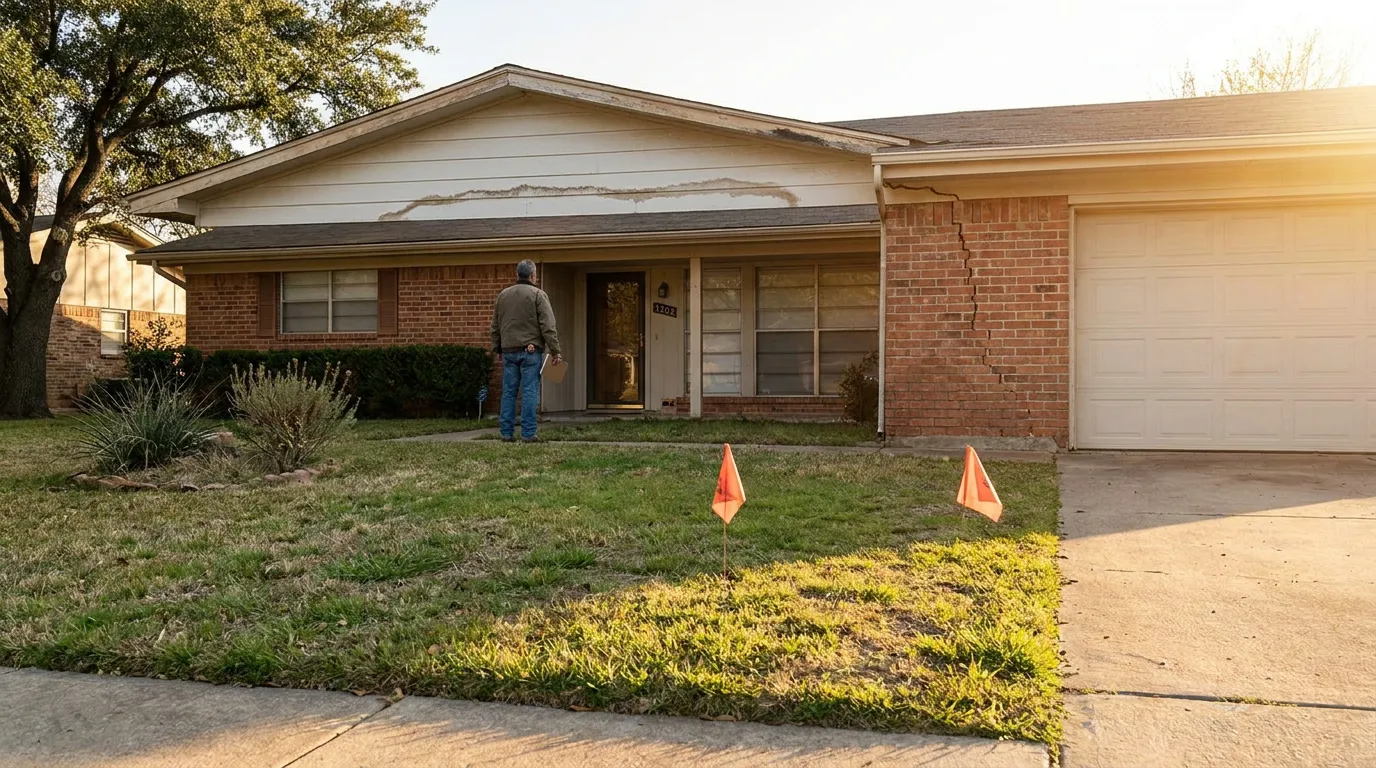
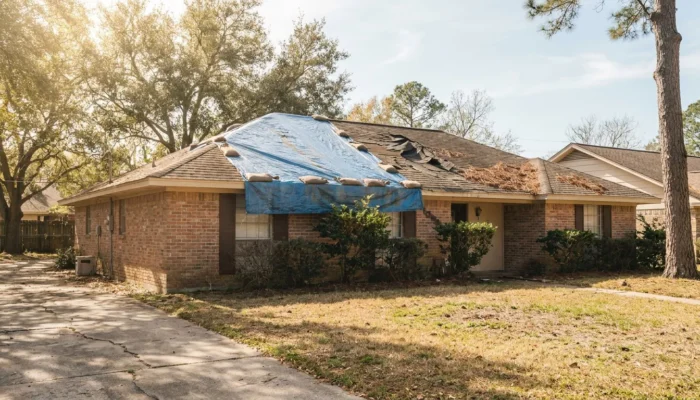
Houston’s unique weather challenges, including hurricanes, severe thunderstorms, and flooding, make these protections particularly relevant. When storm damage occurs, insurance companies sometimes attempt to minimize payouts or attribute damage to excluded causes without proper investigation. Chapter 541 gives you legal recourse when insurers fail to treat your claim fairly.

💡 Pro Tip: If your insurer denies your claim, request a detailed written explanation citing specific policy language. Under Texas law, insurers must provide reasonable explanations for denials, and their failure to do so may support a Chapter 541 claim.

Your Private Right of Action as a Denied Insurance Claim Attorney in Houston Can Explain

Subchapter D of Chapter 541 authorizes policyholders to file private lawsuits against insurers for unfair or deceptive practices. This means you do not have to wait for a government agency to take action. You have the independent right to pursue your insurer in court when they violate the statute.

Section 541.152 outlines the remedies available to prevailing plaintiffs. If you succeed in your claim, you may recover actual damages, court costs, reasonable attorney’s fees, injunctive relief, or other relief the court deems proper. These remedies are designed to make you whole after suffering harm from your insurer’s misconduct.

Treble Damages for Knowing Violations

Perhaps the most powerful deterrent in Chapter 541 is the provision allowing treble damages when an insurer knowingly violates the law. Under Section 541.152(b), if the trier of fact determines that the defendant knowingly committed the complained act, they may award up to three times your actual damages. If your insurer deliberately engaged in unfair practices, you could potentially recover triple what you lost.

This treble damages provision serves as a significant financial deterrent for insurers acting in bad faith. Insurance companies understand that knowing violations carry substantially higher financial exposure. For Houston homeowners with denied claims, establishing that an insurer’s conduct was knowing rather than merely negligent can significantly increase potential recovery.

💡 Pro Tip: Preserve all evidence of your property damage, including photographs, videos, and repair estimates from independent contractors. This evidence helps establish both the extent of your covered loss and whether the insurer’s investigation was reasonable.

Procedural Requirements Before Filing Suit

Texas law requires policyholders to follow certain procedural steps before filing a Chapter 541 lawsuit. Section 541.154 mandates that you provide prior notice before initiating legal action against your insurer. Understanding and complying with these requirements is essential to preserving your legal rights.

The statute also includes provisions designed to discourage meritless lawsuits. Section 541.153 addresses frivolous actions and imposes penalties for claims brought without proper basis. Working with a Houston home insurance denial attorney can help ensure your claim has proper legal foundation before proceeding.

Settlement and Mediation Options

Chapter 541 includes procedural provisions that may apply during dispute resolution. Subchapter D contains sections addressing settlement offers and mediation. These provisions can affect how your case proceeds and the strategic decisions involved in pursuing your claim. Section 541.162 establishes a limitations period, meaning you must act within certain timeframes to preserve your rights.

How Chapter 542A Affects Your Claim

In addition to Chapter 541, Houston homeowners should understand Chapter 542A and how it impacts property damage claims. This chapter added presuit notice requirements, attorney’s fee thresholds, and other provisions that affect how insurance disputes proceed. These changes have shifted some procedural advantages toward insurers in property damage claims.

The attorney’s fee provisions under Chapter 542A create specific requirements that can impact your case. A policyholder generally must recover at least 80% of their presuit demand to be eligible for full attorney’s fees. This creates strategic considerations when formulating your initial demand.

Chapter 542A also includes provisions affecting who can be named as defendants. The statute allows insurers to accept liability for their agents’ acts, potentially dismissing those agents from lawsuits. You can read more about these concerns from consumer advocacy organizations.

💡 Pro Tip: Before accepting any settlement offer, consider whether the amount adequately compensates you for all covered damages. Early, lowball offers are common, and accepting may waive your rights to pursue additional compensation.

Policyholders often benefit from combining a Chapter 541 claim with other legal theories when challenging a denied home claim. Combining a Chapter 541 claim with the Texas Deceptive Trade Practices Act (DTPA) has historically provided attorneys a formidable tool to address insurer misconduct. However, subsequent legislation has affected how these claims can be combined in certain property damage cases.

Understanding the relationship between different statutes helps maximize your potential recovery. For comprehensive information about Chapter 541’s full text and structure, you can review the official statute.

Key protections available to Houston homeowners under Texas insurance law include:

  • The right to sue insurers directly for unfair or deceptive practices
  • Potential recovery of actual damages, court costs, and attorney’s fees
  • Treble damages when insurers knowingly violate the law
  • Protections against unreasonable claim denials and delayed payments
  • Accountability for individual adjusters who engage in misconduct

Steps to Take When Your Houston Home Claim Is Denied

If your insurance company denies or underpays your Houston home claim, taking immediate action can protect your rights. First, request a complete written explanation of the denial, including specific policy provisions the insurer relies upon. Review your policy carefully to understand what coverage you purchased and whether the denial appears justified.

Gathering independent evidence to support your claim is essential. Obtain repair estimates from licensed contractors unaffiliated with your insurance company. If your insurer relied on an engineering report to deny your claim, consider having an independent engineer evaluate the damage.

When evaluating your insurer’s conduct, consider whether they:

  • Provided a timely and reasonable explanation for denying your claim
  • Conducted a thorough investigation before reaching their decision
  • Accurately represented your policy provisions and coverage
  • Responded to your communications promptly and professionally
  • Offered a fair settlement amount based on your actual damages

💡 Pro Tip: Texas has specific deadlines for insurers to acknowledge, investigate, and pay claims. If your insurer misses these deadlines without valid justification, they may be subject to penalties under the Texas Prompt Payment statutes in addition to Chapter 541 claims.

Frequently Asked Questions

1. What constitutes bad faith insurance denial in Houston under Texas law?

Bad faith generally occurs when an insurer denies or underpays a claim without a reasonable basis or fails to properly investigate before making coverage decisions. Under Chapter 541, specific unfair settlement practices include misrepresenting policy provisions, failing to provide reasonable explanations for denials, and refusing to pay claims without conducting reasonable investigations.

2. How long do I have to file a claim under Chapter 541?

Section 541.162 establishes a limitations period for bringing Chapter 541 claims. The specific timeframe depends on various factors, and courts interpret these deadlines strictly. Because missing these deadlines can permanently bar your claim, consulting with an attorney promptly after your claim is denied is advisable.

3. Can I sue my insurance adjuster personally for bad faith?

Under Chapter 541’s broad definition of "person," individual adjusters may potentially face liability for engaging in unfair or deceptive practices. However, Chapter 542A includes provisions that may affect whether adjusters remain as defendants in property damage claims.

4. What damages can I recover if I win my Chapter 541 case?

Prevailing plaintiffs under Section 541.152 may recover actual damages, court costs, reasonable attorney’s fees, injunctive relief, or other appropriate relief. Additionally, if the trier of fact finds the insurer knowingly violated the statute, you may be awarded up to three times your actual damages.

5. Do I need to notify my insurer before filing a lawsuit?

Yes, Section 541.154 requires policyholders to provide prior notice before filing a Chapter 541 action. Failing to comply with this procedural requirement could affect your ability to pursue your claim. Understanding these prerequisites is essential, which is why learning what to do when your property insurance claim is denied early in the process is important.

Protect Your Rights After a Denied Houston Home Claim

Chapter 541 of the Texas Insurance Code provides meaningful protections for Houston homeowners facing unfair treatment from their insurance companies. From prohibiting deceptive settlement practices to providing a private right of action with potential treble damages, the statute gives policyholders legal tools to hold insurers accountable.

When your home insurance claim is denied or underpaid, Fitts Law Firm, PLLC is ready to help you understand your options under Texas law. Call 713-871-1670 today or reach out through our website to schedule a consultation about your denied claim.

Should Houston Homeowners Accept a Lowball Claim Offer?

Should Houston Homeowners Accept a Lowball Claim Offer?

After a storm damages your Houston home, you expect your insurance company to honor your policy and pay what it takes to make repairs. Unfortunately, many homeowners receive settlement offers that fall far short of actual repair costs. A lowball settlement offer is when an insurer proposes an amount significantly less than the claim’s actual value, often hoping you will accept out of desperation. Before signing anything, you should understand your legal rights under Texas law and recognize that accepting an inadequate offer could leave you paying thousands out of pocket for repairs your policy should cover.

If you received a lowball offer or suspect your insurer is acting unfairly, Fitts Law Firm, PLLC can help you understand your options. Call 713-871-1670 or contact us online to discuss your situation with a trusted advocate for Texas policyholders.

What Makes an Insurance Offer a "Lowball" Offer?

A lowball offer is more than just a disappointing number. It represents a settlement amount that does not reflect the true cost of repairing your property damage. These offers frequently occur after major weather events in Houston, including hurricanes, hail storms, and flooding, when insurers face numerous claims and may look for ways to reduce payouts.

Insurers sometimes justify low offers by downplaying the extent of damage or using questionable repair estimates. They may rely on their own adjusters or engineers who minimize the scope of work needed. In some cases, insurers misrepresent material facts or policy provisions to claimants, which could constitute a statutory violation under Texas law.

Recognizing the Signs of an Inadequate Offer

There are several warning signs that your settlement offer may be unfairly low. Your offer might be inadequate if the amount does not cover estimates from licensed contractors, if the insurer refuses to explain how they calculated the amount, or if they pressure you to accept quickly.

Common indicators include:

  • The offer excludes damage you documented with photos or contractor estimates
  • The insurer’s adjuster spent minimal time inspecting your property
  • You received a generic denial letter without specific policy language explaining the decision
  • The company is pushing you to sign a release before you have had time to review the terms

💡 Pro Tip: Always get at least two independent repair estimates from licensed contractors before evaluating any settlement offer from your insurance company. These estimates give you concrete evidence of actual repair costs.

Understanding Your Rights Under Texas Insurance Law

Texas has strong consumer protection laws designed to hold insurers accountable for unfair claim practices. Under Texas Insurance Code Chapter 542, known as the Texas Prompt Payment of Claims Act, insurers must follow strict timelines when handling your claim.

Your insurer must acknowledge receipt of your claim and begin investigating within 15 days of receiving notice. After that, they have 15 business days from receiving all requested documentation to either accept or reject your claim, with one possible 45-day extension permitted. If they accept your claim, payment must follow within 5 business days.

Penalties for Insurer Non-Compliance

Insurers that violate these deadlines face significant financial consequences. Non-compliant insurers are liable to pay 18% annual interest as damages on the claim amount, plus reasonable and necessary attorney’s fees. This penalty structure gives homeowners substantial leverage when challenging lowball or delayed offers.

For weather-related catastrophe claims, which are common in the Houston area, all statutory deadlines are extended by 15 calendar days. A different interest rate applies under Chapter 542A for forces-of-nature claims, currently approximately 13.5%. Understanding these specific rules is essential for homeowners dealing with storm damage claims.

💡 Pro Tip: Document every communication with your insurer in writing. Keep copies of emails, letters, and notes from phone calls with dates and names. This paper trail can be critical evidence if you need to prove delays or bad faith later.

When a Denied Insurance Claim Attorney in Houston Can Help

Many homeowners wonder whether they need legal help after receiving a lowball offer. While not every dispute requires an attorney, certain situations strongly benefit from professional legal guidance. If your insurer refuses to explain their reasoning, delays your claim without justification, or makes demands for excessive documentation, you may be dealing with bad faith practices.

A denied insurance claim attorney in Houston understands how insurers operate and what tactics they use to minimize payouts. Legal representation can level the playing field, especially when dealing with large insurance companies that have teams of adjusters and lawyers protecting their interests.

Signs You Should Seek Legal Counsel

Bad faith insurance practices take many forms, and recognizing them early can protect your claim. Common signs include unreasonable delays in processing your claim, inadequate investigation of your reported damage, failure to communicate about claim status, and making unreasonable demands for documentation you have already provided.

Every insurance contract includes an implied covenant of good faith and fair dealing, requiring both parties to deal honestly and fairly. When an insurer violates this covenant, they may be liable for damages beyond the original claim value, including consequential damages and potentially punitive damages in egregious cases.

How Texas Law Protects Against Insurance Bad Faith

Texas law provides multiple avenues for homeowners to challenge unfair insurance practices. Under Texas Insurance Code Chapter 541, it is an unfair settlement practice for an insurer to fail to attempt in good faith to effectuate a prompt, fair, and equitable settlement when the insurer’s liability has become reasonably clear.

This statute is directly relevant to lowball offers. If your insurer knows they owe you money but offers far less than your claim is worth, they may be violating their legal obligations. Other prohibited practices include misrepresenting policy provisions, failing to provide a reasonable explanation for denials, and undertaking to enforce a full and final release when only a partial payment has been made.

Remedies Available to Policyholders

Homeowners who can prove their insurer knowingly violated Chapter 541 may recover substantial damages. Remedies include actual damages, treble damages (up to three times your actual damages) for knowing violations, and attorney’s fees. These potential penalties provide strong incentive for homeowners not to accept an unfair offer without exploring their legal options.

If your claim is rejected, the insurer must provide written reasons for the rejection. This requirement ensures transparency and gives you the information needed to challenge denials or underpayments. Request this documentation in writing if your insurer has not already provided it.

💡 Pro Tip: Never sign a "full and final release" without understanding exactly what you are giving up. Under Texas law, an insurer cannot enforce such a release when only partial payment has been made, unless it is a legitimate compromise settlement of a disputed claim.

What to Do When Facing a Lowball Claim Offer in Houston

Taking the right steps after receiving a low offer can significantly impact your outcome. First, do not accept immediately, even if you feel financial pressure. Once you sign a release, you generally cannot pursue additional compensation for the same damage.

Request a detailed written explanation of how the insurer calculated your settlement amount. Under Texas Insurance Code §541.060(a)(3), it is an unfair settlement practice for an insurer to fail to promptly provide a policyholder a reasonable explanation of the basis in the policy, in relation to the facts or applicable law, for the insurer’s denial of a claim or offer of a compromise settlement of a claim. If they cannot or will not explain their reasoning, this itself may indicate bad faith.

Building Your Case for a Fair Settlement

Strong documentation is your most valuable asset in any insurance dispute. Gather all photos and videos of the damage, contractor repair estimates, correspondence with your insurer, and any reports from independent inspectors. This evidence can help demonstrate the gap between your actual damages and what the insurer offered.

It is important to distinguish between a legitimate dispute over claim value and genuine bad faith. Insurers are entitled to investigate claims and dispute values for legitimate reasons. However, when an insurer’s conduct crosses into unreasonable territory, whether through deliberate delays, inadequate investigations, or misrepresentations, the situation may call for legal action.

💡 Pro Tip: If you have hired contractors for temporary repairs to prevent further damage, keep all receipts and document the work thoroughly. These expenses are generally part of your claim and should be included in any settlement.

Steps to Take if Your Insurance Company Denied Your Claim

A full denial presents different challenges than a lowball offer, but your rights remain protected. If your claim was rejected entirely, begin by carefully reviewing the denial letter and comparing the stated reasons against your actual policy language. Sometimes denials are based on incorrect interpretations or overlooked coverage provisions.

Understanding what to do when your claim is denied is essential for protecting your interests. You may need to submit additional documentation, request a re-inspection, or formally dispute the decision. In many cases, engaging a denied insurance claim attorney in Houston early in this process leads to better outcomes than trying to navigate the appeals process alone.

Frequently Asked Questions

1. How long does my insurance company have to respond to my claim in Texas?

Under Texas Insurance Code §542.055, insurers must acknowledge receipt of your claim, commence their investigation, and request any required information within 15 days of receiving notice of the claim. They then have 15 business days after receiving all requested documentation to accept or reject the claim, with one possible 45-day extension available.

2. What penalties do insurance companies face for delaying payment in Texas?

Insurers that delay payment beyond 60 days after receiving all requested items trigger liability for damages under Texas Insurance Code §542.058. Additionally, non-compliant insurers must pay 18% annual interest on the claim amount plus reasonable attorney’s fees. For weather-related catastrophe claims, a different interest rate of approximately 13.5% applies under Chapter 542A.

3. Can I reject a lowball settlement offer from my insurance company?

Yes, you are not required to accept any settlement offer. Before rejecting, request a written explanation of how the insurer calculated the amount. Gather independent contractor estimates and document all damage. Consider consulting with a Houston insurance dispute attorney to understand your options before making a final decision.

4. What qualifies as insurance bad faith in Texas?

Insurance bad faith occurs when an insurer unfairly denies, delays, or underpays a legitimate claim in violation of the implied covenant of good faith and fair dealing present in every insurance contract. Common examples include unreasonable delays, inadequate investigations, failure to communicate, misrepresenting policy terms, and offering settlements significantly below actual claim value.

5. What damages can I recover if my insurer acted in bad faith?

If an insurer is found to have acted in bad faith, you may recover damages beyond the original claim value. This can include actual damages, consequential damages, and in cases of knowing violations under Chapter 541, treble damages (up to three times actual damages) plus attorney’s fees. Courts may award punitive damages in particularly egregious cases.

Protecting Your Rights as a Houston Homeowner

Accepting a lowball claim offer can leave you struggling to afford necessary repairs to your home. Texas law provides meaningful protections for policyholders facing unfair insurance practices, from strict payment timelines to substantial penalties for bad faith conduct. Understanding these rights is the first step toward securing the compensation your policy promises.

The decision to accept or reject a settlement offer depends on your specific circumstances, the strength of your documentation, and whether the insurer is acting in good faith. When significant money is at stake, and your ability to repair your home hangs in the balance, having a denied insurance claim attorney in Houston review your situation can make a substantial difference.

If you are dealing with a lowball claim offer or denied insurance claim in Houston, Fitts Law Firm, PLLC is ready to help you explore your options. Call 713-871-1670 or reach out through our contact page to schedule a consultation and learn how Texas law may protect your right to fair compensation.

What Is the Appraisal Process for Houston Home Insurance Disputes?

What Is the Appraisal Process for Houston Home Insurance Disputes?

When your insurance company and you disagree about how much your property damage is worth, the appraisal process offers a streamlined path to resolution. For Houston homeowners dealing with underpaid or disputed claims after hurricanes, hail storms, or other weather events, understanding this process can make the difference between accepting an unfair settlement and recovering what your policy actually covers. The appraisal process is an informal, binding method found in almost every modern insurance policy that allows both parties to resolve disagreements about the amount of loss without going to court.

If your insurer is offering far less than you believe your damage is worth, Fitts Law Firm, PLLC can help you understand your options. Call 713-871-1670 or contact us today to discuss your Houston home insurance appraisal process concerns.

Understanding Texas Insurance Code Chapter 1813

Texas law now requires all residential property insurance policies to include an appraisal provision for disputed losses. Under Texas Insurance Code Chapter 1813, policies delivered, issued, or renewed in Texas on or after January 1, 2026, must contain this dispute resolution mechanism. The enabling legislation, SB 458, became effective September 1, 2025.

The appraisal clause provides a forum for parties to informally resolve the amount of loss through a binding process similar to arbitration, but without attorneys involved. This can be significantly faster and less expensive than litigation for Houston policyholders who simply want fair compensation for their property damage. The Texas Commissioner of Insurance must adopt rules to implement Chapter 1813, including deadlines for completing appraisals and qualification standards for appraisers and umpires.

💡 Pro Tip: Before demanding an appraisal, gather all documentation of your loss, including photographs, contractor estimates, and any correspondence with your insurer. Strong documentation strengthens your position throughout the process.

When Can Houston Homeowners Demand an Appraisal?

You may be eligible to demand an appraisal when the disagreement with your insurer is purely about the price or extent of your covered damages. This is a critical distinction that many policyholders overlook. The Houston property damage claim appraisal process works best when both parties agree that damage occurred and that it is covered, but they simply cannot agree on how much it will cost to repair or replace.

Disputes About the Dollar Amount of Loss

The appraisal provision is intended to provide a dispute resolution process solely to determine the amount of loss. If your insurer acknowledges that your roof was damaged by hail but offers $8,000 when your contractor estimates $22,000, that is exactly the type of insurance claim dispute Houston Texas homeowners can resolve through appraisal.

You are not required to accept the insurer’s offered dollar amounts. You can challenge them with independent estimates and research. Options include getting two or more estimates from real-world contractors, consulting with construction professionals, or conducting your own internet research to document fair market pricing for repairs. This evidence becomes valuable if you proceed to appraisal.

What the Appraisal Process Cannot Resolve

While appraisal is powerful for valuation disputes, it has important limitations that Houston homeowners must understand. The process cannot determine causation or override a denial of coverage. If your insurer denies your claim entirely, arguing that the damage was caused by normal wear and tear rather than a covered storm event, appraisal is not the appropriate remedy.

In Texas, the appraisal process can resolve disputes about the extent of damage and pricing, but it cannot determine the cause of loss. For example, if your insurer claims your roof damage resulted from age rather than last month’s hailstorm, that is a coverage dispute requiring a different approach. An appraisal under Chapter 1813 does not affect any applicable policy terms, meaning the insurer can still enforce coverage limitations and exclusions.

💡 Pro Tip: If your insurer has denied coverage entirely rather than simply underpaying your claim, the appraisal process may not help. Consider consulting with a denied insurance claim attorney in Houston to evaluate whether litigation or other strategies are more appropriate.

How the Houston Home Insurance Appraisal Process Works

The appraisal process follows a structured format designed to reach a binding resolution efficiently. Understanding each step helps you prepare and protects your interests throughout the proceedings.

Each Party Selects an Appraiser

Both you and your insurance company will each designate an appraiser to represent your respective positions. These appraisers should be competent individuals with knowledge of property damage valuation and local construction costs. In one federal court case in the Southern District of Texas, the court ordered both sides to designate an appraiser within 20 days, illustrating a typical court-imposed timeline when disputes arise about initiating the process.

The Appraisers Select an Umpire

If the two appraisers cannot agree on the amount of loss, they must select a neutral umpire to resolve the disagreement. The umpire’s role is to break any deadlock between the appraisers. An agreement by two of the three parties, whether both appraisers or one appraiser and the umpire, typically determines the final award.

The Award Becomes Binding

Once rendered, the appraisal award is binding on both the policyholder and the insurer. However, this binding nature is subject to limited exceptions. The award may be challenged in cases of fraud, accident, material mistake, or if the award was made without proper authority. Outside these narrow circumstances, both parties must accept the determination.

Your Rights When Challenging an Insurer’s Valuation

Houston policyholders have several options when they believe their insurer’s damage estimate is too low. You do not have to accept an unfair offer, and Texas law provides multiple avenues for challenging inadequate valuations:

  • Hire a public adjuster to independently assess your damages
  • Consult with a construction professional or other knowledgeable party
  • Demand an appraisal under your policy’s appraisal clause
  • Obtain your own price quotes from local contractors and suppliers
  • Contact the Texas Department of Insurance at (512) 463-6169 for assistance

These options can be used individually or in combination to build your case for fair compensation. Many homeowners find that obtaining multiple independent contractor estimates provides compelling evidence that the insurer’s offer is inadequate.

💡 Pro Tip: Keep copies of all estimates, photographs, and correspondence related to your claim. If your dispute eventually requires legal action, this documentation becomes essential evidence.

When You May Need a Denied Insurance Claim Attorney in Houston

While the appraisal process is designed to work without attorneys, certain situations benefit from legal guidance. If your insurer refuses to participate in appraisal, delays the process unreasonably, or if coverage issues complicate your claim, an attorney can protect your rights.

A federal court in Houston granted a motion to compel appraisal in a property insurance dispute, demonstrating that courts can order reluctant parties to participate. This case from the Southern District of Texas shows that when insurers try to avoid the appraisal process, legal intervention may be necessary to enforce your contractual rights.

Coverage denials, bad faith conduct, and violations of Texas prompt payment laws require different strategies than simple valuation disputes. If you believe your insurer has acted unreasonably in handling your claim, understanding the difference between an appraisal vs coverage denial Houston situation is critical to choosing the right path forward.

Pre-Suit Requirements Under Texas Insurance Code Chapter 542A

If the appraisal process fails to resolve your Houston home insurance dispute, Texas law imposes specific requirements before you can file a lawsuit. Chapter 542A applies broadly to property damage claims caused by forces of nature, including hurricanes, hail, wind, and floods, covering actions under the Insurance Code, common law, and the Texas Deceptive Trade Practices Act.

The 61-Day Notice Requirement

Texas Insurance Code Chapter 542A requires claimants to provide 61 days’ written pre-suit notice before filing an action for weather-related property damage claims. This is a critical procedural step that cannot be skipped. Failing to provide proper notice can delay your case or result in dismissal.

Property Inspection Rights

If an insurer timely requests inspection of the property within 30 days of receiving your pre-suit notice, you must allow reasonable inspection. Refusing to permit inspection can lead to abatement of your lawsuit. This requirement exists to give insurers a final opportunity to evaluate the damage before litigation proceeds.

💡 Pro Tip: When you send your pre-suit notice, anticipate that the insurer may request an inspection. Have your property accessible and your documentation organized to facilitate this process without unnecessary delays.

Frequently Asked Questions

1. What is the difference between appraisal and arbitration for Houston insurance disputes?

Appraisal is specifically designed to determine the amount of loss, while arbitration can address broader legal issues. The appraisal process typically does not involve attorneys and focuses solely on valuation. Arbitration, by contrast, may resolve coverage questions, liability issues, and other legal disputes with more formal procedures.

2. Can my insurance company refuse to participate in appraisal?

If your policy contains an appraisal clause, your insurer generally cannot refuse to participate. Texas courts have compelled insurers to participate in appraisal when policyholders properly invoke the process. If your insurer refuses, you may need to seek legal assistance to enforce your rights.

3. How long does the appraisal process take in Texas?

The timeline varies, but the Texas Commissioner of Insurance is required to adopt rules establishing deadlines for completing appraisals. In practice, the process can take several weeks to several months depending on the complexity of the damage, appraiser availability, and whether an umpire must be involved.

4. Who pays for the appraisal process?

Typically, each party pays for their own appraiser, and the cost of the umpire is split between the policyholder and insurer. However, specific cost allocation may be governed by your policy language. Review your policy carefully or consult with a homeowner insurance dispute attorney Texas residents trust for guidance.

5. What happens after the appraisal award is issued?

The appraisal award is binding on both parties, and your insurer should pay the determined amount promptly. The award must be made in substantial compliance with your policy’s appraisal clause. If your insurer fails to pay the awarded amount, you may have grounds for additional legal claims.

Protecting Your Rights as a Houston Policyholder

The appraisal process provides Houston homeowners with a valuable tool for resolving insurance claim valuation disputes without the expense and delay of litigation. Understanding when appraisal applies, its limitations, and the procedural requirements under Texas law empowers you to make informed decisions about your claim. Whether you are dealing with hurricane damage, hail damage, or other weather-related losses, knowing your Houston policyholder appraisal rights can help you pursue fair compensation.

If your insurance company has underpaid your claim or you are struggling to navigate the appraisal process, Fitts Law Firm, PLLC is ready to help. Call 713-871-1670 or reach out online to discuss your situation with a team that understands Texas insurance claim valuation disputes and fights for policyholders throughout Houston.

What Does Breach of Contract Mean in a Houston Insurance Denial?

What Does Breach of Contract Mean in a Houston Insurance Denial?

When your insurance company denies your homeowner claim after a storm, flood, or other covered event, you may have grounds for a breach of contract claim under Texas law. A breach of contract in this context occurs when your insurer fails to honor the terms of your policy, whether by wrongfully denying coverage, underpaying your claim, or failing to investigate properly. For Houston homeowners who have paid premiums and upheld their policy obligations, a denied claim can feel like a betrayal. Understanding your legal rights is the first step toward holding your insurance company accountable.

If your property insurance claim has been denied or underpaid, Fitts Law Firm, PLLC may be able to help you pursue the benefits you deserve. Call 713-871-1670 or contact us online to discuss your situation with a legal team that advocates for Texas policyholders.

Understanding Breach of Contract in Homeowner Insurance Claims

Your homeowner insurance policy is a legally binding contract between you and your insurer. When you purchase coverage and pay your premiums, the insurance company agrees to provide certain benefits if covered losses occur. If the insurer refuses to pay a valid claim, delays payment unreasonably, or fails to follow the terms outlined in your policy, they may be in breach of that contract.

In Texas, policyholders have strong legal protections when insurers fail to uphold their contractual obligations. Breach of contract claims have a four-year statute of limitations under the Texas Civil Practice and Remedies Code Section 16.004. This means you generally have four years from the date of the breach to file a lawsuit. However, waiting too long can jeopardize your case, so taking prompt action is critical.

Common Examples of Insurer Breach

Insurance companies breach their contracts with policyholders in several common ways. Understanding these patterns can help you recognize when your rights have been violated:

  • Denying a claim without conducting a reasonable investigation
  • Misrepresenting policy provisions or coverage limits
  • Refusing to pay a claim when liability is reasonably clear
  • Failing to explain the specific reasons for a claim denial
  • Delaying payment beyond the timeframes required by Texas law
  • Underpaying claims based on biased or inadequate inspections

💡 Pro Tip: Document every interaction with your insurance company in writing. If adjusters make verbal promises or statements, follow up with an email summarizing what was said. This creates a paper trail that may prove valuable if you need to pursue legal action.

Texas Laws That Protect Policyholders from Insurance Company Breach of Contract

Texas has enacted several laws specifically designed to protect homeowners from unfair insurance practices. These statutes give policyholders meaningful legal remedies when insurers act in bad faith or breach their contractual duties. Two particularly important bodies of law are Texas Insurance Code Chapter 541 and Chapter 542A.

Texas Insurance Code Chapter 541

Chapter 541 regulates trade practices in the insurance industry by prohibiting unfair and deceptive acts. Under this statute, insurers cannot misrepresent material facts or policy provisions, fail to settle claims in good faith when liability is clear, refuse to pay claims without a reasonable investigation, or fail to explain claim denials. The law is designed to be liberally construed in favor of policyholders, strengthening its utility as a companion claim to breach of contract.

Chapter 541 also provides a private right of action allowing policyholders to sue for damages. If your insurer knowingly violated the statute, treble damages may be available. This means you could potentially recover up to three times your actual damages, plus attorney’s fees, depending on the circumstances of your case.

Chapter 542A and Pre-Suit Requirements

Texas Insurance Code Chapter 542A applies specifically to first-party property insurance claims. This chapter, enacted via H.B. 1774 (often called the "Hailstorm Bill"), became effective September 1, 2017. It covers actions against insurers involving breach of contract, negligence, misrepresentation, fraud, or breach of common law duties related to property damage claims.

Before filing a breach of contract lawsuit against an insurer under Chapter 542A, you must provide written pre-suit notice at least 61 days before filing. This requirement gives the insurer an opportunity to resolve the dispute before litigation. Importantly, Chapter 542A does not eliminate any existing cause of action for consumers. All statutory and common law remedies remain available, including policy benefits, treble damages, and attorney’s fees when an insurer wrongly denies a claim.

💡 Pro Tip: The 61-day pre-suit notice requirement under Chapter 542A is mandatory. Failing to provide proper notice can delay your case significantly. Work with an attorney experienced in Houston insurance denial cases to ensure your notice complies with all legal requirements.

The Four-Year Statute of Limitations for a Denied Insurance Claim Attorney in Houston

Time limits are critical in any breach of contract insurance claim in Texas. Under Texas law, the statute of limitations for breach of a written contract is four years, and for breach of an oral contract, it is also four years. These timeframes are governed by the Texas Civil Practice and Remedies Code Chapter 16.

If you do not file your lawsuit within the limitations period, your claim will likely be barred. Courts in Texas do not allow leniency on filing deadlines unless a valid tolling exception applies. Missing the deadline results in automatic case dismissal, regardless of how strong your underlying claim may be.

The four-year clock typically begins running when the breach occurs. In insurance denial cases, this is generally when the insurer denies your claim or when you discover the denial. However, determining the exact accrual date can be complex, particularly if the insurer’s communications were unclear or misleading.

How Tolling May Affect Your Filing Deadline

In certain limited circumstances, Texas law allows the statute of limitations to be paused or "tolled." One recognized tolling exception involves fraudulent concealment, where the defendant purposely hid wrongdoing from the plaintiff. If your insurance company concealed the true reasons for denying your claim or deliberately misled you about your coverage, the limitations period may be tolled until you discover the misconduct.

However, courts interpret tolling exceptions narrowly, and they do not automatically apply. You must be able to demonstrate that the insurer actively concealed information and that you could not have reasonably discovered the breach sooner. This is a fact-intensive inquiry that often requires legal analysis.

💡 Pro Tip: Even if you believe tolling may apply to your situation, do not rely on this exception to delay taking action. Consult with a denied insurance claim attorney in Houston as soon as possible to evaluate your options and protect your rights.

Steps to Take When Your Homeowner Insurance Claim Is Denied in Houston

Receiving a denial letter from your insurance company can be overwhelming, but taking immediate action is essential. Houston homeowners who experience property damage from hurricanes, hail, wind, flooding, or other covered events should follow these steps to protect their legal interests.

Review Your Policy and Denial Letter

Start by carefully reviewing your insurance policy and the denial letter. Identify the specific coverage provisions cited by the insurer and compare them to the actual policy language. Insurance companies sometimes cite exclusions that do not apply or mischaracterize the terms of coverage.

Pay close attention to deadlines mentioned in the denial letter. Some policies require you to take specific steps within certain timeframes, such as submitting a proof of loss or requesting an appraisal. Missing these deadlines can complicate your claim.

Document Everything

Thorough documentation is your strongest tool in challenging a denied claim. Photograph all damage, keep copies of all correspondence with your insurer, and maintain records of any temporary repairs you make. Obtain independent estimates from contractors and consider hiring your own inspector or engineer to assess the damage.

Under Texas Insurance Code Section 862.054, a breach or violation of a warranty, condition, or provision of a fire insurance policy does not automatically void the policy. Unless the breach contributed to cause the destruction of the property, your coverage may remain intact despite minor technical violations cited by the insurer.

Seek Legal Guidance

An experienced Houston home insurance lawyer can evaluate your denial and advise you on the best path forward. Legal counsel can help you understand whether your insurer acted unreasonably, calculate your potential damages, and navigate the complex procedural requirements of Texas insurance law.

💡 Pro Tip: If your insurer retained an engineer or adjuster whose report contradicts the obvious damage to your property, consider obtaining an independent assessment. Insurance company-retained assessors may have biases that affect their findings.

Why Working with a Houston Insurance Dispute Attorney Matters

Insurance companies have legal teams and adjusters working to minimize payouts. As a policyholder, you deserve someone in your corner who understands the strategies insurers use and knows how to counter them effectively. A Texas policyholder breach of contract lawyer can level the playing field.

Legal representation can make a significant difference in the outcome of your claim. Attorneys familiar with Houston insurance denial cases understand the local court system, the applicable Texas statutes, and the tactics used by major insurance carriers. They can handle the 61-day pre-suit notice requirement, gather evidence to support your claim, and pursue the full compensation you are entitled to under your policy.

If you are wondering what to do after your insurance company denied your claim, speaking with an attorney can provide clarity and direction during a stressful time.

Frequently Asked Questions

1. What constitutes breach of contract in a homeowner insurance claim?

A breach of contract occurs when your insurer fails to fulfill its obligations under your policy. This may include wrongfully denying coverage, underpaying your claim, failing to investigate properly, or misrepresenting policy terms. Under Texas law, policyholders can pursue legal action to recover the benefits they were promised.

2. How long do I have to file a breach of contract lawsuit against my insurer in Texas?

Texas law provides a four-year statute of limitations for breach of contract claims. This applies to both written and oral contracts. If you miss this deadline, your claim will generally be dismissed unless a valid tolling exception applies.

3. What is the pre-suit notice requirement under Chapter 542A?

Before filing a lawsuit against your insurer under Chapter 542A, you must provide written notice at least 61 days before filing. This notice gives the insurer an opportunity to inspect the property and potentially resolve the dispute without litigation.

4. Can I recover more than my policy benefits if my insurer acted in bad faith?

Yes, Texas Insurance Code Chapter 541 allows policyholders to recover additional damages. If your insurer knowingly violated the statute, you may be entitled to treble damages, which means up to three times your actual damages, plus attorney’s fees in certain circumstances.

5. Does a minor policy violation void my homeowner insurance coverage?

Not necessarily. Under Texas Insurance Code Section 862.054, a breach of a warranty, condition, or provision of a fire insurance policy does not render the policy void unless the breach contributed to cause the destruction of the property.

Protect Your Rights After a Houston Insurance Denial

A denied homeowner insurance claim does not have to be the final word. Texas law provides meaningful protections for policyholders, including the right to pursue breach of contract claims and seek damages for unfair insurance practices. Understanding your legal options is essential to holding your insurance company accountable.

If your property insurance claim has been denied, underpaid, or delayed, Fitts Law Firm, PLLC is ready to help you explore your legal options. Call 713-871-1670 or reach out online today to speak with a legal team committed to protecting Texas homeowners.

What Makes Houston Home Insurance Denials Legally Challengeable?

Your Insurance Company Said No – But That’s Not Always the Final Answer

When your home suffers damage from a storm, fire, or other covered peril, you expect your insurance company to honor its promise. Yet thousands of Texas homeowners receive denial letters that leave them wondering if they have recourse. Many home insurance denials contain legal vulnerabilities that make them challengeable in court. Understanding these weaknesses can be the difference between accepting a denial and recovering the compensation you deserve.

Insurance companies deny claims for various reasons – some legitimate, others questionable. They might claim damage isn’t covered, dispute its extent, or argue you failed to meet policy requirements. However, Texas law provides specific homeowner protections, and when insurers violate these standards, their denials become legally challengeable.

💡 Pro Tip: Keep all correspondence from your insurance company, including emails, letters, and phone call notes. This documentation becomes crucial evidence if you need to challenge a denial.

If you’re grappling with a denied home insurance claim, don’t let it end with a simple "no." Reach out to the dedicated team at Fitts Law Firm, PLLC, where we’re committed to turning the tables in your favor. Give us a call at 713-871-1670 or contact us online to explore how we can help you navigate the path to rightful compensation.

Texas Law Protects Homeowners from Unfair Insurance Practices

The Texas Insurance Code provides robust protections for homeowners facing claim denials. Under state law, insurance companies must handle claims promptly, fairly, and in good faith. When insurers violate these standards, homeowners gain powerful legal grounds to challenge denials. A denied insurance claim attorney in Houston can help identify whether your insurer failed to properly investigate your claim, misrepresented policy provisions, or engaged in prohibited practices that make their denial legally vulnerable.

Texas Insurance Code Chapter 542A establishes specific procedures insurers must follow when handling property damage claims. This law requires claimants to provide written notice at least 61 days before filing a lawsuit. During this presuit period, both parties must exchange detailed information about the claim, including amounts allegedly owed. This mandatory process often reveals weaknesses in the insurer’s denial position.

Bad faith insurance practices represent another major area where denials become challengeable. Texas law prohibits insurers from denying claims without reasonable investigation, delaying payment without justification, or misrepresenting policy coverage. When insurance companies engage in these tactics, they expose themselves to liability beyond the original claim amount, including potential damages for harm their conduct caused.

💡 Pro Tip: Document every interaction with your insurance company, including dates, times, and representative names. This timeline can reveal patterns of delay or inadequate investigation that support a bad faith claim.

The Critical Timeline for Challenging Your Denial

Time matters significantly when challenging a home insurance denial in Texas. The state’s legal framework creates specific deadlines and procedures that homeowners must follow to preserve their rights. Understanding this timeline ensures you don’t lose your opportunity to challenge an unfair denial. Working with a denied insurance claim attorney in Houston becomes especially valuable in navigating these time-sensitive requirements.

  • Initial Denial Response (0-30 days): Review your denial letter carefully and gather all policy documents, correspondence, and damage evidence. This period is crucial for understanding the insurer’s stated reasons.
  • Presuit Notice Period (61+ days): Texas law requires written notice to your insurer at least 61 days before filing suit. This notice must include specific information about your claim and the amount owed.
  • Information Exchange Window: During the presuit period, your insurer must provide detailed information about their denial, including any reports or evaluations. This exchange often reveals flaws in their reasoning.
  • Statute of Limitations (2 years): Most property damage claims must be filed within two years of when damage occurred. Missing this deadline typically bars legal action, regardless of merit.
  • Attorney Fee Recovery Provisions: Chapter 542A includes specific formulas for attorney fee recovery when certain thresholds are met, making it economically feasible to challenge even modest claim denials.

💡 Pro Tip: Start the presuit notice process as soon as you receive a denial or lowball offer. The 61-day waiting period runs concurrently with your preparation time.

Building Your Case: Why Fitts Law Firm, PLLC Fights for Homeowners

Successfully challenging a home insurance denial requires comprehensive understanding of both insurance law and the tactics insurers use to avoid paying legitimate claims. The team at Fitts Law Firm, PLLC has extensive experience identifying legal weaknesses in insurance denials and building compelling cases that force insurers to honor their obligations. Skilled legal representation levels the playing field against insurance company lawyers.

The resolution process often begins during the mandatory presuit notice period, where strategic pressure can lead to settlement without litigation. However, when insurers remain unreasonable, the structured attorney fee provisions under Texas law make it economically viable to pursue your claim through the courts. A denied insurance claim attorney in Houston who understands these fee structures can often secure full compensation plus recovery of all legal fees when statutory requirements are met.

💡 Pro Tip: Many insurance companies change their position once they receive a properly drafted presuit notice from an attorney. The prospect of paying both damages and attorney fees often motivates more reasonable settlement discussions.

Common Denial Tactics That Create Legal Vulnerabilities

Insurance companies employ various strategies to deny or minimize home insurance claims, but many of these tactics create legal openings for challenging their decisions. Each type of improper denial requires a different legal approach, which is why working with a denied insurance claim attorney in Houston who understands these nuances becomes crucial for maximizing your recovery.

Misinterpreting Policy Language

Insurance policies contain complex language that insurers sometimes interpret in ways that favor denial over coverage. Texas law requires that ambiguous policy provisions be interpreted in favor of coverage for the policyholder. When insurers stretch policy exclusions beyond their reasonable meaning or ignore provisions that support coverage, they create grounds for legal challenge. Courts consistently reject insurance company attempts to rewrite policy language after a loss occurs.

💡 Pro Tip: Request a written explanation of exactly which policy provisions your insurer relies upon for denial. Vague references to "policy exclusions" without specific citations often indicate a weak denial position.

The Hidden Costs of Accepting an Unfair Denial

Many homeowners reluctantly accept insurance denials because they don’t realize the full scope of damages they may be entitled to recover. Beyond obvious property damage, Texas law recognizes additional damages that can significantly increase your claim’s value. Understanding these potential recoveries illustrates why challenging an unfair denial often makes financial sense, especially when statutory attorney fee provisions protect you from out-of-pocket legal costs.

Consequential Damages and Living Expenses

When insurers wrongfully deny claims, homeowners often incur additional expenses beyond initial property damage. These might include temporary housing costs, increased utility bills from damaged insulation, or mold remediation necessary due to delayed repairs. The Texas Office of Public Insurance Counsel provides resources about insurance rights, but pursuing these consequential damages typically requires legal action. A denied insurance claim attorney in Houston can help document and recover these often-overlooked damages that multiply the financial impact of an improper denial.

💡 Pro Tip: Keep receipts for all expenses related to your property damage, even those that seem indirect. Hotels, storage units, and emergency repairs all become recoverable when an insurer’s wrongful denial caused these additional costs.

Frequently Asked Questions

Understanding Your Rights After a Denial

Homeowners facing insurance claim denials often have similar concerns about their rights and options. These questions address common issues that arise when challenging an insurance company’s decision to deny coverage for property damage.

💡 Pro Tip: Write down your questions before consulting with an attorney. Having a prepared list ensures you get all the information you need during your initial consultation.

1. What makes a home insurance denial legally challengeable under Texas law?

A denial becomes legally challengeable when the insurance company violates Texas Insurance Code provisions, acts in bad faith, misinterprets policy language, or fails to conduct reasonable investigation. Common challengeable issues include denying claims without proper investigation, delaying payment without justification, misrepresenting coverage, or failing to provide required notices. The 61-day presuit notice requirement under Chapter 542A creates an opportunity to expose these violations through mandatory information exchange.

2. How long do I have to challenge a denied home insurance claim in Houston?

Texas law generally provides two years from the date of property damage to file a lawsuit challenging an insurance denial. However, you must first provide written presuit notice at least 61 days before filing suit. This means you need to act within approximately 22 months to ensure compliance with all legal requirements. Some policies may contain shorter deadlines, making prompt legal consultation essential.

3. Can I recover attorney fees if I successfully challenge my insurance company’s denial?

Yes, Texas Insurance Code Chapter 542A provides specific formulas for attorney fee recovery in property damage cases. When certain statutory thresholds are met, courts must award the full amount of reasonable and necessary attorney fees. This fee-shifting provision makes it economically feasible to challenge even modest claim denials, as successful claimants can recover both their damages and legal costs.

4. What evidence do I need to challenge a bad faith insurance denial?

Strong evidence includes all correspondence with your insurer, photographs and videos of damage, repair estimates from contractors, weather or incident reports, and documentation of all claim-related expenses. Additionally, evidence showing inadequate investigation, ignored evidence supporting coverage, or patterns of similar denials can support bad faith claims. Your attorney will help identify which evidence is most compelling for your situation.

5. Should I accept a partial payment if my full claim was denied?

Accepting a partial payment requires careful consideration and often legal guidance. While accepting payment doesn’t necessarily waive your rights to pursue the full amount, insurance companies may include release language that limits future claims. Before accepting any payment, have an attorney review the terms to ensure you’re not giving up your right to challenge the denial of remaining damages. Sometimes strategic acceptance of partial payment can strengthen your position for recovering the balance.

Work with a Trusted Denied Insurance Claims Lawyer

Challenging a home insurance denial requires navigating complex legal requirements while building a compelling case that forces insurers to honor their obligations. Texas law provides powerful tools for holding insurance companies accountable. When you’re ready to fight back against an unfair insurance denial, consulting with a knowledgeable attorney helps you understand your options and chart the best path forward.

If you’re feeling stuck with a denied home insurance claim, don’t settle for a dead end. Reach out to Fitts Law Firm, PLLC and let us help you explore your options. Call us today at 713-871-1670 or contact us to see how we can advance your case.