
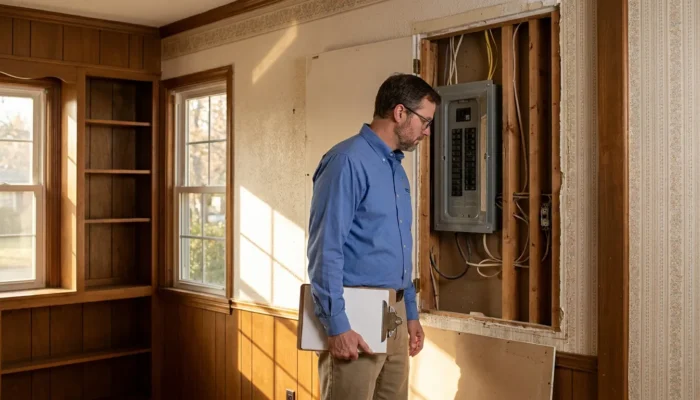
Why the 1988 Cutoff Still Shapes Windstorm Coverage in Houston
Key Takeaways: Homeowners in the designated catastrophe area, 14 coastal counties plus parts of Harris County east of Highway 146, generally need a windstorm certificate of compliance if their structure was constructed, altered, remodeled, enlarged, or repaired on or after January 1, 1988, under Texas Insurance Code § 2210.251. Roof replacements and major repairs trigger this requirement, though minor work such as small roof repairs under 100 square feet, painting, and glass replacement is typically exempt. TDI issues a WPI-8 for inspections during construction and a WPI-8-E when a Texas licensed professional engineer inspects completed work. Structures altered before 1988 may qualify for exemption if previously insured by an authorized Texas insurer within 12 months and remain essentially unchanged. Insurers use certification gaps as coverage defenses, yet carriers still owe duties of reasonable investigation and timely payment.
If your home sits in the designated catastrophe area and was constructed, altered, remodeled, enlarged, or repaired on or after January 1, 1988, you generally need a windstorm certificate of compliance for Texas Windstorm Insurance Association coverage. That date in Texas Insurance Code § 2210.251(a) often decides whether a wind or hail claim gets paid or denied for Houston-area homeowners east of Highway 146.
If a carrier has pointed to a missing or defective certificate to deny your storm damage claim, the team at Fitts Law Firm, PLLC can review the denial letter, policy, and inspection history. Call 713-871-1670 or reach out to our team to discuss your options.
What the WPI-8 Certificate of Compliance TWIA Requires Actually Means
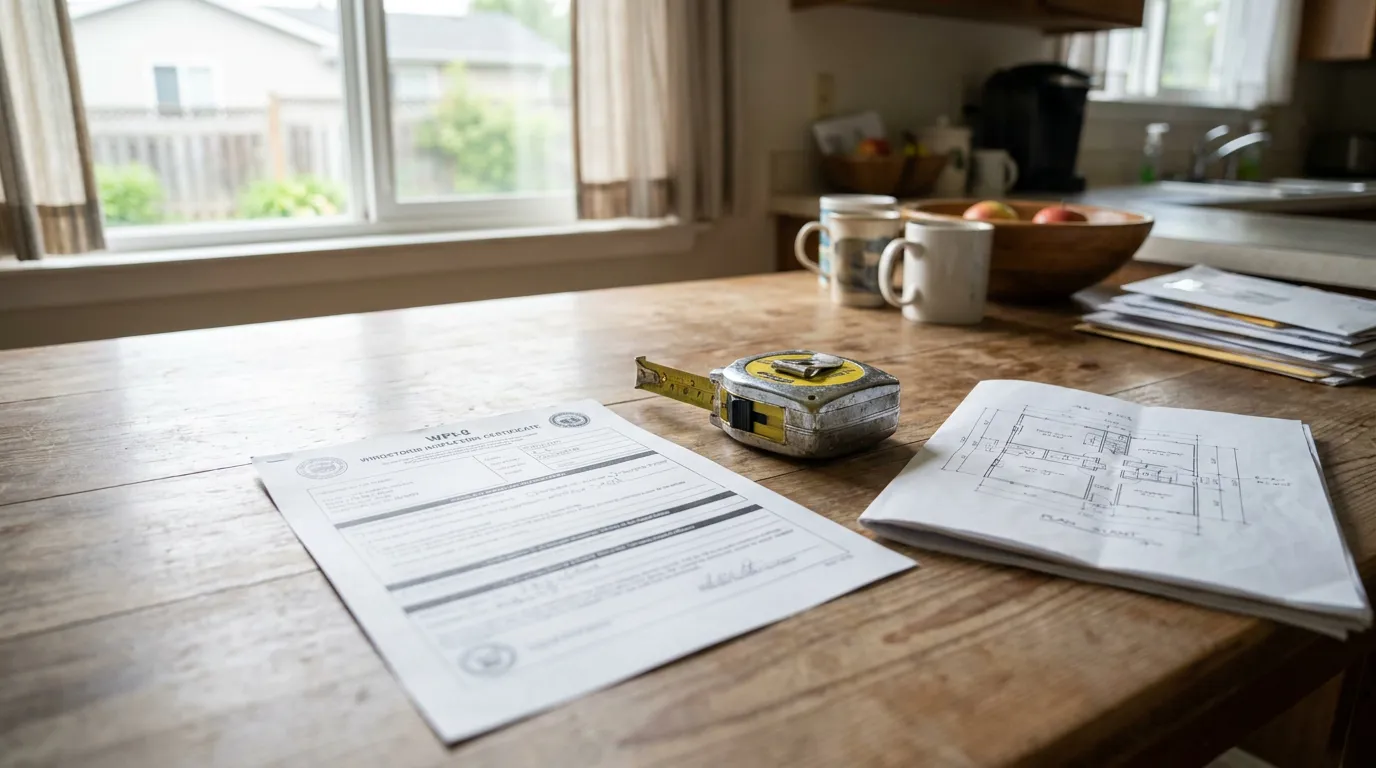
A WPI-8 is the document showing that a structure passed windstorm inspection and meets applicable building code under the plan of operation. The Texas Department of Insurance explains that to buy a TWIA policy, most homes must have a certificate verifying the structure meets building code standards for wind resistance. Under § 2210.251(g), the certificate is evidence of insurability. Without it, an application may be rejected, and a later claim can face an eligibility challenge.
TDI administers the Windstorm Inspection Program and issues these certificates. Property owners use the state’s windstorm system to find a windstorm inspector, apply for a certificate, and locate and print certificates. A contractor’s assurance that work "passed" carries limited weight if no certificate exists in state records. TWIA issued WPI-8-C certificates for completed improvements from January 1, 2017 through May 31, 2020, searchable through TWIA’s database.
Two Certificates, Two Different Paths
TDI issues two certificate types depending on when inspection happens. A WPI-8 is issued for new and ongoing construction, where inspection is performed by a TDI-appointed qualified inspector during work. A WPI-8-E is issued for completed construction, where a professional engineer licensed in Texas performs the inspection or affirms the design and submits it to TDI.
| Certificate | When It Applies | Who Inspects |
|---|---|---|
| WPI-8 | Construction still in progress | TDI-appointed engineer or TDI inspector |
| WPI-8-E | Construction already finished | Texas licensed professional engineer |
For completed work, the paperwork requirements are specific. TDI generally requires a signed WPI-2E application plus a sealed post-construction inspection report with supporting documentation, or a sealed design, under Texas Insurance Code § 2210.2515.
Which Houston-Area Properties Fall Inside the Coastal County Requirements
The certification rule applies only within the designated catastrophe area, not statewide. TDI identifies 14 coastal counties and parts of Harris County east of Highway 146 as the designated catastrophe area, where homeowners unable to obtain private windstorm and hail coverage may buy a policy through TWIA. Many Houston-area residents in Baytown, La Porte, Seabrook, and surrounding communities fall inside that boundary.
The commissioner sets the construction standards these structures must satisfy. Under Texas Insurance Code § 2210.251(b), the commissioner is required to adopt the 2003 International Residential Code for one- and two-family dwellings for specified geographic areas, effective after January 1, 2004. Section § 2210.252 is a separate provision that grants the commissioner permissive authority to supplement plan of operation building specifications with the IRC. As of April 1, 2026, TDI adopted the 2024 IRC and 2024 IBC as the applicable building standards for TWIA-insured structures. The applicable code depends on when your work was performed.
Alterations Trigger the Requirement, Not Just New Builds
This is the point that surprises most policyholders. TDI states that most new construction, roof replacements, major repairs, and other alterations require an inspection and certificate of compliance. A homeowner who has lived in the same house since 1975 can still trip the windstorm inspection requirement by replacing a roof after a hailstorm in 2019.
Timing matters, because state law requires an application before work begins. TDI advises that property owners must apply for a certificate before beginning construction. Many homeowners learn about this only after a contractor has finished, which then pushes them into the post-construction WPI-8-E process.
💡 Pro Tip: Before signing a roofing or remodeling contract, ask in writing whether the contractor will handle the inspection during construction or whether you will need a Texas licensed professional engineer afterward. A list of appointed engineers is available through the state’s windstorm resources or by calling TDI at 800-248-6032.
Not Every Project Requires Certification
Certain minor projects fall outside the certification requirement. TDI identifies several exemptions, including:
- Roof repairs of less than 100 square feet that do not involve decking
- Non-structural work such as painting, carpeting, and cabinets
- Fences, gutters, shutters, steps, and screen doors
- Plumbing and electrical repairs
- Replacement of glass in windows or doors
Whether a specific project fits an exemption is fact-dependent. A repair that begins as a small patch can expand once decking is exposed. Documentation describing square footage and materials can become important evidence if eligibility is later questioned.
How the Pre-1988 Exemption Works and How Insurers Attack It
Texas law draws a bright line, but the exemption on the older side is conditional. Texas Insurance Code § 2210.251 provides that a structure constructed, altered, remodeled, enlarged, or repaired before January 1, 1988, located in an area not governed by a building code recognized by the association, is insurable property eligible for coverage without certification requirements only if the structure was previously insured by an insurer authorized to engage in the business of insurance in Texas, and the structure remains in essentially the same condition as when previously insured, except for normal wear and tear, and without any structural change other than a code-compliant change.
The statute attaches conditions that carriers examine closely. The exemption applies if the structure is located in an area not governed by a building code recognized by the association, was previously insured by an insurer authorized to engage in business in Texas, and remains in essentially the same condition as when previously insured, except for normal wear and tear, without structural change other than code-compliant changes. Post-1988 work covered by subsection (a), or an out-of-code structural change, can defeat the exemption.
Documenting Prior Coverage
Homeowners relying on the exemption must produce proof of prior windstorm and hail coverage. The statute requires evidence reflecting coverage within the 12-month period immediately preceding the application date. Acceptable proof includes a copy of a previous insurance policy, copies of canceled checks or agent’s records showing payments, and title or mortgage company records showing previous policies. Gathering those records before a storm hits is far easier than reconstructing them afterward.
💡 Pro Tip: Keep declarations pages from every policy year in a cloud folder along with permits, contractor invoices, and any WPI certificates. Policyholders who can show a continuous paper trail are in a stronger position when an eligibility dispute arises.
When a Certificate Problem Becomes a Denied Claim
Insurers sometimes use certification gaps as a coverage defense after a hurricane or hailstorm. The certification and eligibility provisions sit in Chapter 2210, Subchapter F of the Texas Insurance Code, titled Property Inspections for Windstorm and Hail Insurance. An uncertified residential structure built between 1988 and June 18, 2009 may still be insurable under the statutory waiver framework, subject to a 15 percent premium surcharge under § 2210.259.
A denial premised on certification is not necessarily the end of the analysis. Carriers still bear obligations regarding reasonable investigation, causation analysis, and timely payment under Texas law, including Chapters 541 and 542 of the Insurance Code. TWIA claims are also subject to statutory claim-handling and dispute procedures under Chapter 2210, Subchapter L-1, which carry strict deadlines. Homeowners who want to understand their options for challenging a wind damage denial should preserve the denial letter, all adjuster correspondence, and any engineering reports the carrier relied upon.
Independent evidence often changes the picture. A licensed engineer’s assessment of the altered portion, paired with permit records and dated photographs, can rebut a conclusory finding that work was noncompliant.
Frequently Asked Questions
1. Does a roof replacement after 1988 really require a certificate?
In many cases, yes, if the property is in the designated catastrophe area. TDI lists roof replacements among projects that generally require an inspection and certificate of compliance. Small repairs under 100 square feet that do not involve decking are among listed exemptions.
2. What if my contractor never applied for the inspection?
You may still pursue a WPI-8-E for completed construction. That path generally involves a Texas licensed professional engineer performing a post-construction inspection and submitting a sealed report to TDI, along with a signed WPI-2E application.
3. Can TWIA deny a claim solely because a certificate is missing?
Eligibility and claim adjudication are related but distinct questions. A missing certificate can affect eligibility under Texas Insurance Code § 2210.251, though statutory exceptions may apply. Whether it defeats a specific claim depends on the loss, policy, and facts.
4. Does the pre-1988 exemption apply automatically to older homes?
No. The exemption is conditional under Texas Insurance Code § 2210.251. The structure must be located in an area not governed by a building code recognized by the association, must have been previously insured by an authorized Texas insurer, and must remain in essentially the same condition, except normal wear and tear, without structural change other than code-compliant changes.
5. How do I confirm whether my Harris County home is covered by these rules?
Location relative to Highway 146 is the key factor in Harris County. TDI identifies parts of Harris County east of Highway 146, along with 14 coastal counties, as the designated catastrophe area. If uncertain, TDI’s windstorm resources and your agent can confirm.
Protecting Your Coverage Before the Next Storm
The January 1, 1988 line in Texas Insurance Code § 2210.251 continues to shape TWIA eligibility for Texas homeowners along the coast and in eastern Harris County. Alterations, remodels, roof replacements, and additions can all trigger the WPI-8 requirement, while the pre-1988 exemption survives only when a structure is located in an area not governed by a building code recognized by the association, was previously insured, and remains essentially unchanged. Because these questions turn on documentation and timing, homeowners benefit from organizing records long before a claim is filed.
If your storm claim was denied, delayed, or underpaid over a windstorm compliance dispute, a wpi-8 certificate of compliance twia lawyer at Fitts Law Firm, PLLC can evaluate your situation. Call 713-871-1670 or schedule a consultation today to have your denial reviewed.
