
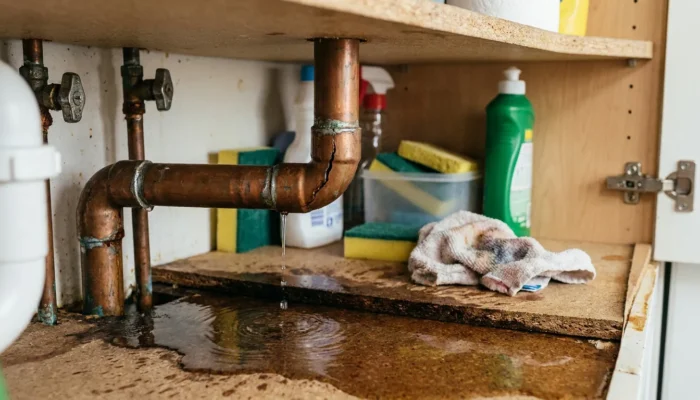
When a Pipe Bursts in Your Houston Home, Will Insurance Pay?
Key Takeaways: A burst pipe often counts as sudden and accidental water damage under a Texas homeowners policy, but coverage depends on your policy’s exact wording and the cause of the loss. A pipe that splits suddenly in a freeze usually fits the "sudden and accidental" standard. Damage from slow, repeated leaks or seepage is often excluded. Insurers commonly deny frozen pipe claims by citing long-term seepage, wear and tear, neglect, or a late report. Texas Insurance Code Chapter 542 sets deadlines for handling claims, and Chapter 541 bars insurers from misrepresenting coverage. Good documentation, independent plumber or engineer opinions, and weather data can help you challenge a wrongful denial.
In many cases, a burst pipe can qualify as sudden and accidental water damage under a Texas homeowners policy, but coverage depends on the exact wording of your policy and the facts of your loss. A pipe that splits during a hard freeze and floods a kitchen overnight often fits the plain meaning of "sudden and accidental." A pipe that dripped behind a wall for months may not. No Texas statute defines "sudden and accidental" for homeowners policies, so the policy’s own definitions and court decisions interpreting similar language usually control.
If your insurer has denied, delayed, or underpaid your burst pipe claim, you do not have to sort it out alone. Fitts Law Firm, PLLC helps Houston homeowners review denial letters, policy language, and claim records. Call 713-871-1670 or contact us now to talk about your situation.
What "Sudden and Accidental" Generally Means in Homeowners Policies
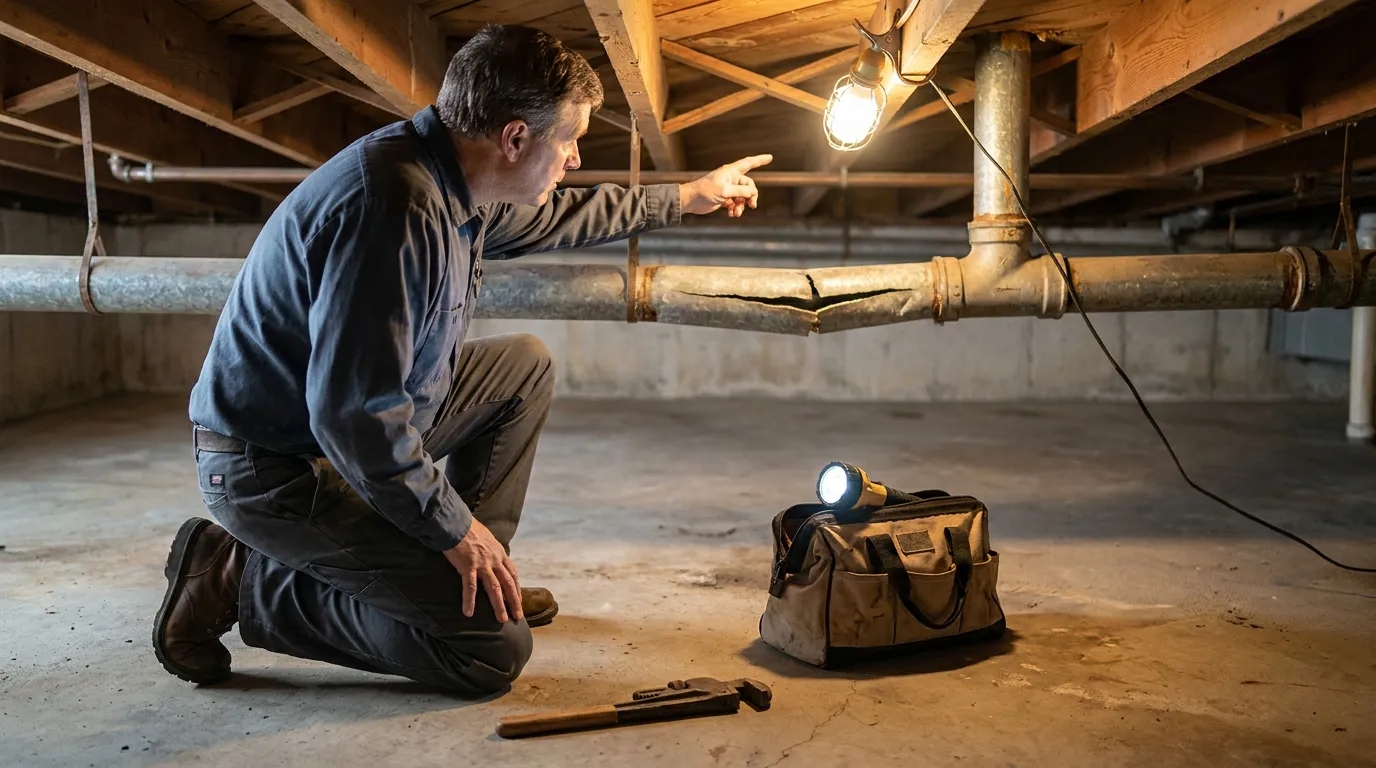
"Sudden and accidental" generally describes damage that happens quickly and that the homeowner did not expect or intend. Many homeowners policies use this phrase, or "accidental discharge or overflow of water," to describe covered water losses. The same policies often exclude damage from continuous or repeated leakage or seepage over time, sometimes defined by a period such as 14 days or more.
Where the Phrase Came From
The "sudden and accidental" standard is most closely associated with pollution-exclusion disputes under commercial general liability policies. Courts have discussed similar reasoning in other settings, including water damage claims, though they do not always interpret the phrase the same way. Legal scholarship, such as an SMU Law Review article on how courts read coverage and exclusion language, traces how judges have handled this wording. These sources are not binding law. Your policy’s text, read under Texas contract-interpretation rules, generally controls, and Texas courts construe ambiguous exclusions in favor of the policyholder.
Why the Exact Policy Language Matters
Two policies can treat the same burst pipe differently. One may cover "sudden and accidental discharge of water from a plumbing system," while another may exclude water damage unless the pipe broke in a specific way. Some add conditions about keeping heat on or draining pipes in a vacant home. Before you accept a denial, ask for a complete certified copy of your policy, including all endorsements, and read the definitions next to the exclusions.
How Texas Law Treats Burst Pipes and Freeze Damage
Texas law lists water damage from a broken or leaking water pipe as its own type of insurance risk. Under Texas Insurance Code Chapter 2002, which describes the risks property and casualty insurers may insure, the listed risks include water resulting from the breakage or leakage of a water pipe or other conduit, accidental damage to pipes, and weather conditions including frost and freeze. Verify the current subsection citations against the statute before relying on them. These provisions describe kinds of insurance that may be written in Texas. They do not require your particular policy to cover every burst pipe.
Casual Water Versus a Sudden Rupture
The same statute separately lists "casual water," meaning water that enters a building through a leak or opening or seeps through walls. This is consistent with how many policies treat a sudden pipe rupture differently from slow seepage, although your policy’s terms, not the statute, determine coverage. If your insurer calls your loss "long-term seepage," the cause and timing of the damage often become the main issues.
💡 Pro Tip: If you suspect a slow leak, photograph and save the failed section of pipe before a plumber throws it away. The physical pipe can show whether it split suddenly or corroded over time.
Frozen Pipe Burst Insurance Coverage: Common Reasons for Denial
Frozen pipe burst insurance coverage disputes in Houston usually turn on a few predictable insurer arguments. Houston freezes are relatively uncommon, so many homes have exposed or uninsulated plumbing. When a hard freeze does come, pipes in attics, exterior walls, and slab connections can crack all at once. Insurers often respond with defenses such as:
- The leak was "continuous or repeated" over weeks or months, not sudden
- The homeowner failed to keep the home heated or drain the pipes
- The damage came from wear and tear, corrosion, or deterioration
- Mold or rot shows long-term moisture, not a single event
- The homeowner reported the claim too late
Each of these arguments depends on facts, and insurer-retained adjusters or engineers do not always get the facts right. A freeze event followed by a visible rupture is the kind of loss many policies describe as sudden. Even so, freeze-damage coverage may be conditioned on reasonable steps to maintain heat or drain the water supply, especially if the home was vacant. To understand how insurers use exclusions to deny claims, read our guide on how a policy exclusion works. An independent plumber or engineer may be able to challenge the insurer’s conclusions about the cause.
Deadlines Texas Insurers Must Follow on a Water Damage Claim
Texas law sets specific claim-handling deadlines that may apply to your burst pipe claim. Tex. Ins. Code §§ 542.251, 542.252, part of Subchapter F of Chapter 542, address water damage claims under residential property policies, including mold claims. The general Prompt Payment of Claims rules in Texas Insurance Code Chapter 542 also generally apply. Some deadlines may be extended after a declared weather-related catastrophe.
| Stage | Insurer’s Obligation | Statute |
|---|---|---|
| After notice of claim | Acknowledge, begin investigating, and request needed items within 15 days (30 business days for surplus lines insurers) | Tex. Ins. Code § 542.055(a) |
| After receiving all items | Accept or reject in writing within 15 business days, stating reasons for any rejection (extended to 30 days if the insurer has a reasonable basis to believe the loss resulted from arson) | Tex. Ins. Code § 542.056(a)-(c) |
| If more time is needed | Notify you of the reasons within that period and decide within 45 days of that notice | Tex. Ins. Code § 542.056(d) |
| After agreeing to pay | Pay within 5 business days (20 business days for surplus lines insurers); if payment depends on an act you must perform, within 5 business days after that act | Tex. Ins. Code § 542.057(a), (c) |
If the insurer delays payment past the applicable deadline, it may owe statutory damages. Tex. Ins. Code § 542.058(a). This does not apply if a court or arbitration finds the claim was invalid. Under Tex. Ins. Code § 542.060(a), a liable insurer that breaks these rules generally owes the claim amount plus 18 percent annual interest as damages, along with reasonable attorney’s fees. In actions governed by Chapter 542A, the interest rate is instead the Finance Code § 304.003 judgment rate plus five percent, and attorney’s fees may be limited. Chapter 542A generally applies to claims arising from forces of nature such as freezing weather, and it requires pre-suit notice at least 61 days before filing suit.
When a Denial May Become a Bad-Faith Issue
A wrongful denial may support more than a breach-of-contract claim under certain circumstances. Texas Insurance Code Chapter 541 prohibits unfair or deceptive practices. Under Tex. Ins. Code § 541.060(a)(1), an insurer may not misrepresent a material fact or policy provision relating to coverage. That could matter if an adjuster describes your policy as excluding a loss it actually covers.
Insurers also must attempt in good faith to reach a prompt, fair, and equitable settlement once liability has become reasonably clear. Tex. Ins. Code § 541.060(a)(2)(A). Chapter 541, Subchapter D, allows a person harmed by these unfair practices to sue for actual damages, and up to three times actual damages if the insurer acted knowingly. A coverage disagreement alone does not prove bad faith, though. Courts generally ask whether the insurer had a reasonable basis for its position.
Building Your Burst Pipe Claim With Strong Documentation
Written records often decide whether a denied burst pipe claim can be reversed. Keep every letter, email, and claim note, and confirm phone conversations in writing. Photograph the damage before cleanup, but take reasonable steps to prevent further damage, since many policies require it. Keep receipts for emergency repairs, water extraction, and temporary housing.
Independent evidence can respond to an insurer’s report. A licensed plumber’s written opinion about how and when the pipe failed may contradict a "long-term leak" finding. Weather data showing a hard freeze on the date of loss can also support a sudden-event timeline. A Houston water damage attorney can help you decide which evidence matters most for your policy.
💡 Pro Tip: Write down the date and time you first noticed the water and who you called. A clear timeline made close to the event is often more convincing than memories pieced together months later.
Frequently Asked Questions
1. Does a Texas homeowners policy automatically cover a frozen pipe?
No. Texas law recognizes pipe breakage and freeze as insurable risks, but coverage depends on your specific policy wording, its exclusions, and any conditions such as keeping the home heated.
2. What if my insurer says the leak was slow and long-term?
Ask for the evidence behind that conclusion, including any engineer’s report. Independent inspection of the pipe and the damage pattern may support a sudden rupture instead.
3. Does my insurer have to explain why it denied my claim?
Generally, yes. Under Tex. Ins. Code § 542.056(c), an insurer that rejects a claim must notify you in writing and state the reasons.
4. Is mold from a burst pipe covered?
It depends. Many policies limit or exclude mold, but some cover mold that results from a covered sudden discharge, often subject to a dollar sublimit.
5. Can I recover more than the claim amount if my insurer delays payment?
Under certain circumstances, yes. Tex. Ins. Code § 542.060 provides for interest as damages and reasonable attorney’s fees when a liable insurer violates prompt-payment rules. For weather-related claims governed by Chapter 542A, the interest rate is lower and fee recovery may be limited.
Protecting Your Rights After a Burst Pipe Denial
A burst pipe often counts as sudden and accidental water damage, but your policy language and the cause of the loss generally decide the outcome. Texas law sets deadlines for how insurers handle claims and prohibits misrepresenting coverage. Careful documentation and independent evidence can make a meaningful difference when you dispute a denial.
If your frozen pipe burst insurance coverage claim was denied or underpaid, a careful legal review may help you understand your options. Fitts Law Firm, PLLC represents Houston policyholders, not insurance companies. Call 713-871-1670 or schedule your consultation today.
Disclaimer: This content is for informational purposes only and is not legal advice. Every case is unique, and results may vary. Consult an attorney about your specific circumstances.
