Category: Denied Insurance Claims

What Are Common Reasons Houston Home Insurance Claims Get Denied?

Your Home Insurance Claim Was Denied – Now What?

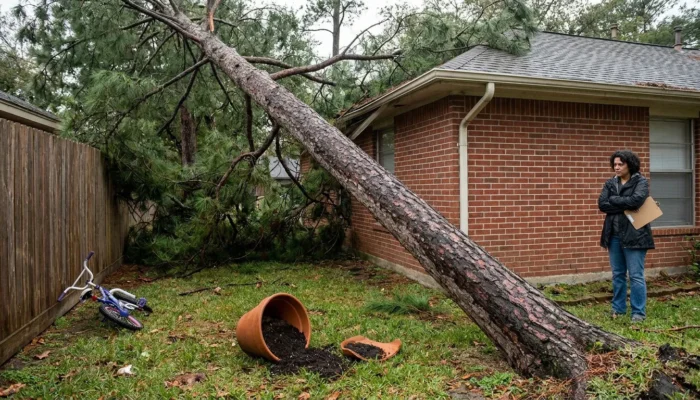
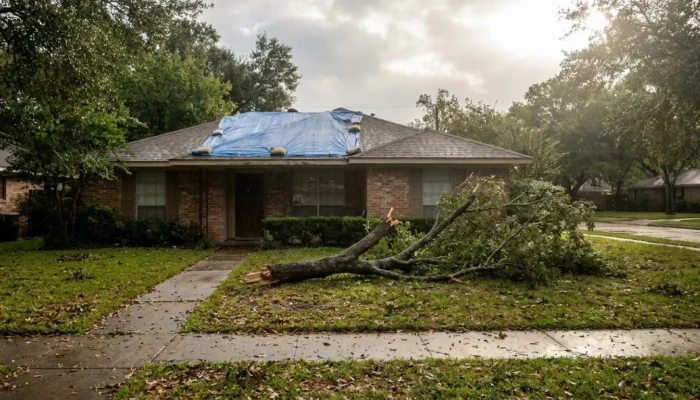
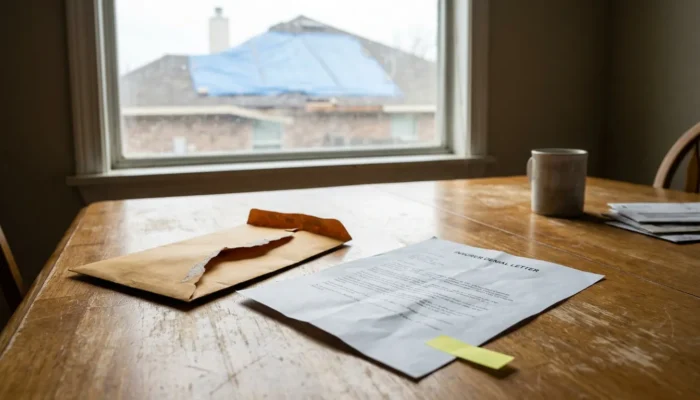
Last week’s storm left extensive damage to your roof and flooded your living room. You filed your homeowners insurance claim expecting help, only to receive a denial letter. This devastating situation affects thousands of Texas homeowners annually, particularly after severe weather events. When insurers deny legitimate claims, homeowners face financial hardship and uncertainty about protecting their most valuable asset. Understanding why insurers reject claims and knowing your Texas law rights can determine whether you accept a denial or fight for deserved coverage.

💡 Pro Tip: Document all damage immediately with photos and videos before making any temporary repairs – this evidence becomes crucial if your insurer questions the extent of damage later.

If a denied insurance claim leaves you feeling stuck between a rock and a hard place, it’s time to take action and protect what matters most. Fitts Law Firm, PLLC is here to guide you through the maze of rights and regulations. Reach out at 713-871-1670 or contact us to explore how we can help you turn a denial into the coverage you deserve.

Your Rights Under Texas Insurance Law When Claims Are Denied

Texas law provides strong homeowner protections through Chapter 541 of the Texas Insurance Code. The Attorney General’s Consumer Protection Division reviews insurance practices for Texas Deceptive Trade Practices Act violations. A denied insurance claim attorney in Houston can help you understand these protections and determine whether your insurer violated state regulations. Insurance companies must provide valid reasons for denying claims based on policy language – they cannot reject claims without justification.

The Texas Department of Insurance (TDI) requires insurers to handle claims fairly and promptly. You have the right to receive a written explanation detailing specific policy provisions or exclusions. Texas recognizes insurance bad faith claims when companies unreasonably refuse legitimate benefits, including failing to reasonably investigate, purposely ignoring supporting information, or knowingly deviating from state regulations.

💡 Pro Tip: Request a complete copy of your denial letter in writing – Texas law requires insurers to provide detailed explanations that reference specific policy language, not vague generalizations.

The Insurance Claim Process and Critical Deadlines in Texas

Understanding the timeline for filing and appealing denied home insurance claims protects your rights and avoids missed deadlines. Texas law establishes specific timeframes for you and your insurer. Missing these deadlines can result in losing your right to challenge a denial.

  • Report damage immediately – delays can lead to automatic denial as timely notification is required
  • Insurers must acknowledge receipt within 15 days and begin investigation
  • Insurers have 15 business days after receiving all documentation to approve or deny claims
  • If denied, you typically have two years from the date of loss to file a lawsuit
  • The Texas Department of Insurance accepts complaints from consumers at 800-252-3439 and does not appear to impose a specific 90-day deadline for filing complaints after a claim denial

💡 Pro Tip: Mark all deadlines on your calendar and set reminders 30 days before each deadline expires – insurance companies often hope homeowners will miss critical filing dates.

Fighting Back Against Wrongful Claim Denials with Legal Support

When facing a denied homeowners insurance claim, you have several options for challenging the decision. The first step involves filing an internal appeal with your insurer, providing additional documentation and evidence. Many homeowners successfully overturn denials by working with a denied insurance claim attorney in Houston who understands required documentation. Fitts Law Firm, PLLC has extensive experience helping Texas homeowners navigate appeals and identifying bad faith.

If internal appeals fail, you can file a complaint with the Texas Department of Insurance or pursue legal action. The Attorney General’s Consumer Protection Division maintains authority to sue insurance companies for appropriate violations, providing additional leverage when challenging wrongful denials.

💡 Pro Tip: Keep detailed records of all communications with your insurer, including dates, times, and names of representatives – this documentation becomes vital evidence if you need to prove bad faith handling.

Common Reasons Insurance Companies Deny Home Insurance Claims

Insurance companies employ various tactics to deny legitimate claims, often citing policy exclusions or technicalities that may not apply. Understanding these denial reasons helps homeowners prepare stronger claims and recognize meritless denials. A denied insurance claim attorney in Houston can review your denial letter and determine whether stated reasons align with Texas law. The Help After a Disaster Toolkit published by the Texas Office of Public Insurance Counsel provides valuable resources after severe weather events.

Insufficient Evidence and Documentation Issues

Claims administrators routinely cite insufficient documentation, even when damage appears obvious. Insurance companies expect detailed documentation including photos, repair estimates, and proof of ownership. They may require evidence showing damage resulted from covered perils rather than excluded causes like normal wear. Strong documentation is crucial, as insurers look for any gaps to justify denial.

💡 Pro Tip: Create a home inventory before disasters strike – photograph each room and keep receipts for major purchases in a cloud storage system accessible from anywhere.

Bad Faith Insurance Practices That Lead to Wrongful Denials

Insurance bad faith occurs when companies unreasonably refuse legitimate benefits under your policy. Texas law recognizes several bad faith practices including refusing to pay legitimate claims, failing to reasonably investigate damage, not providing clear denial reasons, and purposely ignoring supporting information. These practices violate the duty of good faith insurers owe policyholders. Working with a denied insurance claim attorney in Houston helps identify bad faith tactics and hold insurers accountable.

Recognizing Delay Tactics and Unfair Investigation Methods

Insurance companies sometimes employ delay tactics hoping homeowners will give up or accept lowball settlements. They might repeatedly request the same documentation, send investigators who minimize damage, or cite inapplicable exclusions. When insurers fail to follow Texas regulations requiring prompt and fair claim handling, homeowners may have grounds for bad faith claims beyond the original property damage.

💡 Pro Tip: If your insurer requests the same information multiple times or keeps finding new reasons to delay, document each instance – this pattern can demonstrate bad faith.

Resources for Texas Homeowners After Claim Denials

Texas provides multiple resources to help homeowners navigate insurance disputes. The Texas Office of Public Insurance Counsel (OPIC) offers free assistance through their helpline at 1-877-611-6742 and email at [email protected]. They publish valuable materials including guides for filing claims after storms and wildfires. For properties covered by windstorm insurance, the Texas Windstorm Insurance Association (TWIA) maintains a claims center available 24 hours a day, 7 days a week at 1-800-788-8247.

Government Oversight and Consumer Protection Options

The Texas Department of Insurance actively regulates insurance companies and provides consumer protection services. Homeowners can verify whether their insurance company holds proper licensing through TDI’s online company lookup tool. The department’s Consumer Help Line at 800-252-3439 assists with filing formal complaints against insurers who violate state regulations. The Attorney General’s office warns consumers about unauthorized insurers and unlicensed agents, emphasizing the importance of verification through official state resources.

💡 Pro Tip: Before accepting a denial as final, contact OPIC for free guidance – they can explain your rights and help you understand whether the denial appears legitimate under Texas law.

Frequently Asked Questions

Understanding Your Options After Denial

Many Houston homeowners have questions about their rights and options after receiving claim denials. The Texas home insurance guide and Residential Property Bill of Rights outline specific protections available throughout the claims process.

💡 Pro Tip: Download the Residential Property Bill of Rights from TDI’s website before filing any claim – knowing your rights upfront prevents insurers from taking advantage of your situation.

Next Steps in the Legal Process

After exhausting internal appeals, homeowners must decide whether to pursue formal complaints or legal action. A denied insurance claim attorney in Houston can explain different timelines, costs, and potential outcomes based on your specific circumstances.

💡 Pro Tip: Most attorneys offer free consultations for insurance claim denials – use this opportunity to understand your case strength before committing to legal action.

1. What should I do immediately after my Houston home insurance claim is denied?

First, request a written explanation citing specific policy provisions. Then, gather all documentation including photos, estimates, and correspondence. Contact the Texas Department of Insurance at 800-252-3439 to understand your rights and consider consulting with a denied insurance claims lawyer in Houston.

2. How long do I have to appeal a denied homeowners insurance claim in Texas?

Texas law generally provides two years from the date of loss to file a lawsuit, but your policy may specify shorter deadlines. Act quickly to preserve all options, so contact a Texas insurance claim attorney promptly after denial.

3. Can insurance companies deny claims for storm damage common in Houston?

While insurers cannot deny claims simply because storm damage is common, they often cite exclusions for flooding, wind damage, or pre-existing conditions. However, many denials for storm-related damage violate Texas insurance regulations, especially when insurers fail to properly investigate.

4. What constitutes bad faith by insurance companies under Texas law?

Insurance bad faith includes refusing to pay legitimate claims, failing to investigate reasonably, not providing denial reasons, deviating from state regulations, or ignoring supporting evidence. Texas home insurance claim denial based on bad faith can result in additional damages beyond your original claim amount.

5. Should I accept my insurance company’s denial or seek legal help?

Never accept a denial without understanding your rights. Many denials get overturned through appeals or legal action, especially when working with attorneys experienced in Houston property insurance disputes. Free resources from OPIC and TDI can help you evaluate whether the denial appears legitimate.

Work with a Trusted Denied Insurance Claims Lawyer

When insurance companies wrongfully deny your home insurance claim, experienced legal representation can make the difference between accepting financial loss and recovering deserved compensation. A knowledgeable attorney understands Texas insurance law, recognizes bad faith tactics, and knows how to build compelling cases protecting homeowners’ rights. If you’re facing a denied home insurance claim in Houston, consulting with qualified legal counsel helps you understand your options and protect your interests throughout the appeals or litigation process.

If your insurance claim hits a roadblock, don’t leave it to chance. Fitts Law Firm, PLLC is ready to help clear the path to the coverage you deserve. Give us a call at 713-871-1670 or contact us today to see how we can assist you.

When Can Houston Homeowners Sue After Insurance Claim Rejection?

Your Home Insurance Claim Was Denied – Now What?

After a severe storm damages your roof and causes water intrusion, you file a claim expecting coverage after years of premiums. Then comes the letter: "Claim Denied." This happens to thousands of Texas homeowners annually, leaving families struggling with repair costs while wondering about legal recourse. If facing property insurance claim denial in Texas, you have specific rights under state law to fight back.

The shock of legitimate claim rejection feels overwhelming when facing damaged property and mounting costs. Texas law provides strong protections against unfair insurance practices, including specific insurer timelines and bad faith penalties. A denied insurance claim attorney in Houston can help navigate these complexities and potentially recover your claim amount plus additional damages for improper insurer conduct.

💡 Pro Tip: Document everything immediately after claim denial – take photos of damage, keep all correspondence, and create a timeline of events. This evidence becomes crucial if you need to pursue legal action.

Feeling like you’re caught between a rock and a hard place after an insurance claim denial? Fitts Law Firm, PLLC is here to support your next steps, ensuring your rights are defended and your voice is heard. Don’t wait—reach out at 713-871-1670 or contact us today to take back control.

Texas Homeowner Rights After Insurance Claim Denial

Texas law provides homeowners substantial protections for property insurance claims. Under Texas Insurance Code § 542.055, insurers must begin investigating within 15 days of written notice, decide claims within 15 business days after receiving necessary documentation, and pay within 5 business days if approving claims. These strict timelines carry real consequences if violated.

When insurers violate these timelines or engage in unfair practices prohibited under 28 Tex. Admin. Code § 21.203, homeowners gain additional rights. Prohibited practices include misrepresenting policy provisions, inadequate investigation, unexplained denials, and delay tactics. If insurers delay payment, they may owe 18% annual interest (or 10% for weather-related property claims under Chapter 542A) plus reasonable attorney fees if you sue and win. Courts finding knowing violations may award up to three times the amount of actual damages (treble damages). A denied insurance claim attorney in Houston can identify violations and pursue all available remedies.

💡 Pro Tip: Always communicate with your insurance company in writing and send important notices via certified mail. This creates a paper trail proving when they received your claim and starts the legal clock on their required response times.

Critical Deadlines for Filing a Lawsuit Against Your Insurer

Texas law imposes strict statutes of limitations determining lawsuit filing timelines. For most property damage claims, you have two years from the damage-causing event to file suit under Texas Civil Practice and Remedies Code § 16.003. Breach of contract claims have four years under Texas Civil Practice and Remedies Code § 16.004, but bad faith insurance claims generally have a two-year limitation under Texas Insurance Code Chapter 541. Missing these deadlines by one day can forever bar your right to sue.

  • Property damage claims: 2-year statute of limitations from the date of loss (not the date of denial)
  • Breach of contract claims against your insurer: 4-year statute of limitations
  • Bad faith insurance claims: 2-year statute of limitations for breach of good faith and fair dealing under Texas Insurance Code § 541.162
  • Fraud claims against insurers: 4-year statute of limitations from discovery of the fraud
  • Some construction defect claims: Up to 10 years for dangerous design flaws by architects

Understanding deadlines becomes critical with delayed claim handling. If your home suffered hurricane damage in September 2024 but your insurer denied the claim in March 2025, you still only have until September 2026 to file a property damage lawsuit. Many mistakenly believe the clock starts at denial. Consulting a denied insurance claim attorney in Houston immediately after denial protects your rights before time expires.

💡 Pro Tip: Mark your calendar with the exact date of your property damage and set reminders at the 6-month, 1-year, and 18-month marks. This gives you time to pursue other options before the statute of limitations becomes an urgent issue.

Strategic Options Before Filing Suit with a Denied Insurance Claim Attorney in Houston

Before litigation, Texas homeowners have strategic options that may resolve denied claims. The appraisal process allows both parties to hire independent appraisers to determine proper claim amounts. This addresses payment disputes, not coverage questions. Per State Farm Lloyds v. Johnson, appraisal determines payment amounts but cannot decide coverage. Many homeowners successfully resolve claims through appraisal, avoiding litigation time and expense.

Filing complaints with the Texas Department of Insurance (TDI) at 800-252-3439 can provide guidance and investigate unfair practices. Public adjusters can review damage and negotiate with insurers, though Texas law limits their fees to a maximum of 10% of the insurance settlement. When these fail or time runs short, Fitts Law Firm, PLLC helps Houston-area homeowners pursue litigation against insurers wrongfully denying valid claims. Our team evaluates whether insurers violated statutory deadlines, engaged in bad faith, or improperly denied coverage.

💡 Pro Tip: Request your complete claim file from your insurance company before deciding on next steps. Texas law entitles you to this information, and reviewing it often reveals internal notes or reports that contradict the denial rationale.

Recognizing Insurance Bad Faith Tactics in Property Claims

Insurance companies employ strategies to minimize payouts. Common bad faith behaviors include sending multiple adjusters reaching different conclusions, repeatedly demanding unnecessary documentation, making lowball offers without proper investigation, or citing inapplicable policy exclusions. Texas law prohibits insurers from misrepresenting policy provisions or failing to attempt good faith settlements when liability is reasonably clear.

Economic Impact of Delayed or Denied Claims

Claim denial consequences extend beyond repair costs: temporary housing expenses, personal property replacement, mortgage payments on uninhabitable homes, and credit damage. When working with a denied insurance claim attorney in Houston, documenting these losses is crucial because Texas law allows recovery of consequential damages caused by wrongful insurer conduct, including attorney fees and compensation for extreme bad faith.

💡 Pro Tip: Keep a detailed journal of all expenses and impacts caused by the claim denial, including missed work, temporary housing receipts, and any health issues from living in damaged conditions. These records strengthen bad faith damage claims.

Building Your Strongest Case for Property Insurance Litigation

Success in property insurance litigation depends on evidence quality. Create comprehensive documentation including pre-loss photos, detailed contractor repair estimates, weather or incident reports supporting damage claims, and all insurer correspondence. Professional Houston contractors experienced with insurance claims provide detailed estimates countering insurer lowball assessments.

Understanding Settlement Versus Trial Outcomes

Most property insurance lawsuits settle before trial, but understanding trial outcomes informs negotiations. Successful cases typically recover full wrongfully denied benefits plus interest (18% annually under Chapter 542, or prime rate plus 5% under Chapter 542A), attorney fees, and potentially treble damages (up to three times actual damages) for knowing violations under Texas Insurance Code Section 541.152. Working with a denied insurance claim attorney in Houston with trial experience signals preparedness, often leading to favorable settlements.

💡 Pro Tip: Request references from any contractors providing repair estimates and verify they’re properly licensed and insured. Courts give more weight to estimates from established, reputable contractors versus "storm chasers" who appear after disasters.

Frequently Asked Questions

Common Legal Concerns for Denied Homeowner Claims

Property insurance disputes raise numerous questions for homeowners unfamiliar with their legal rights. Understanding answers helps make informed claim decisions.

💡 Pro Tip: Write down all your questions before consulting with an attorney. Free consultations have time limits, so being prepared helps you get the most valuable information for your situation.

Next Steps in the Insurance Dispute Process

After claim denial, the path forward depends on your circumstances, policy terms, and denial reason. Each case requires careful evaluation of available options.

💡 Pro Tip: Create a timeline showing all interactions with your insurance company, including dates, names of representatives, and what was discussed. This chronology helps attorneys quickly understand your case during consultations.

1. How much does it cost to hire a Houston denied insurance claims lawsuit attorney?

Most property insurance attorneys work on contingency fees (33-40% of recovery), meaning they only get paid if they recover money for you. This allows homeowners to pursue valid claims without upfront costs. Texas law may require insurers to pay your attorney fees if you win, potentially reducing fees from your recovery.

2. Can I still sue if I accepted a partial payment from my Texas insurance claim rejection lawyer recommended?

Yes, accepting partial payment doesn’t necessarily waive rights to pursue the full claim amount. However, avoid signing "full and final release" documents. Many insurers issue partial payments with endorsement restrictions, so review check endorsements carefully. Consulting an attorney before accepting partial payments protects rights to pursue additional compensation.

3. What evidence do I need for insurance bad faith claims in Texas?

Strong bad faith cases require evidence showing insurers knew or should have known their denial was wrong. Key evidence includes internal claim notes, engineering reports contradicting denial reasons, similar claims they’ve paid, pattern evidence of similar denials, and statutory timeline violations. Your complete claim file often contains damaging admissions supporting bad faith claims.

4. How long does property insurance litigation typically take in Houston courts?

Most property insurance lawsuits resolve within 12-18 months through settlement negotiations. Cases going to trial may take 2-3 years depending on court backlogs and complexity. Harris County courts handle many insurance disputes, so judges are familiar with these cases.

5. What’s the difference between hiring a public adjuster versus a Texas property insurance litigation attorney?

Public adjusters document damage and negotiate claim values but cannot provide legal advice or file lawsuits. Attorneys pursue litigation, assert bad faith claims, and recover attorney fees and statutory penalties. Public adjusters typically charge up to 10%, the legal cap in Texas. Attorneys may recover larger amounts through litigation including penalties and interest unavailable through standard claim processes.

Work with a Trusted Denied Insurance Claims Lawyer

When facing property insurance claim denial, Texas insurance law complexity and insurer resources can feel overwhelming. Professional legal guidance levels the playing field, ensuring rights are protected and all remedies pursued. Experienced attorneys understand insurer tactics, know which arguments succeed in court, and accurately value total damages including consequential losses. The decision to pursue litigation requires careful consideration of claim value, evidence strength, and available resources, making legal consultation important for protecting your home and financial future.

If your storm-damaged roof repair claim is stuck in limbo, don’t lose hope. Reach out to Fitts Law Firm, PLLC and let us guide you through the legal maze to reclaim what’s rightfully yours. Call 713-871-1670 or contact us to start your journey back to normalcy.

Underpaid flood insurance claim

Why You Should File A Supplemental Harvey Flood Insurance Claim

Supplemental Harvey Flood Insurance Claim

Did it cost you more to repair your home than the amount of money you were provided for your Harvey Flood Insurance Claim? We have heard multiple reports of this. For example, if you have $250,000 in flood insurance and your original estimate provided that it would take $150,000 to repair your house. You received that money, but you also spend another $100,000 out of your pocket or from a loan to put your house together. How you can recover the additional $100,000?

Continue reading “Why You Should File A Supplemental Harvey Flood Insurance Claim”

Denied insurance claim

My Insurance Company Denied My Property Insurance Claim, Now What?

It can happen to even the most prepared policyholder.

You suffered property damage from wind, hail, fire or a catastrophic natural disaster. As a policyholder, you file the claim and expect to receive the money needed for repairs. Even home and business owners who faithfully pay their premiums can find themselves in the unexpected situation of a denied property insurance claim.

Continue reading “My Insurance Company Denied My Property Insurance Claim, Now What?”