man examining insurance check and envelope standing outside brick home

Can Houston Homeowners Demand Appraisal After an Underpaid Home Claim?

Understanding Your Right to Appraisal in Houston Home Insurance Disputes

Key Takeaways: Yes, Houston homeowners can demand appraisal after an underpaid home claim. Texas law gives policyholders the right to challenge the amount an insurer proposes to pay when coverage is accepted but the dollar amount is disputed, not when coverage is denied outright. Under new legislation, Texas residential policies issued or renewed on or after January 1, 2026 must include an appraisal provision with conspicuous notice of deadlines and binding effect of any award. The process follows strict deadlines, including a 60-day window to demand appraisal in the TWIA context and a four-year statute of limitations for breach-of-contract lawsuits. Homeowners retain remedies beyond appraisal, such as bad-faith and Chapter 541 claims. Acting quickly and identifying whether your dispute is about amount or coverage is essential.

Yes, Houston homeowners can generally demand appraisal after an underpaid home claim, and Texas law now makes that right clearer than ever. When your insurer accepts your claim but offers less than your loss is worth, appraisal provides a structured way to challenge that figure. This tool addresses disagreements over dollars, not whether coverage exists.

If your storm, hail, wind, or roof claim came back lower than expected, you do not have to accept the insurer’s number without a fight. Fitts Law Firm, PLLC helps policyholders across the region push back on lowball offers. Reach the firm through its main office website, by calling 713-871-1670, or by using the firm’s online case review form.
Texas Homeowner's Policy document, appraisal demand letter, and Houston Texas map on wooden table

When an Underpaid Claim Triggers the Appraisal Process

Appraisal applies when an insurer has accepted coverage but disputes the payment amount. Under the Texas Windstorm Insurance Association framework, appraisal applies when the association has accepted coverage for a claim, in full or in part, and the claimant disputes the amount of loss the association will pay. Appraisal resolves the "how much" question, not the "is it covered" question.

The scope of appraisal is intentionally narrow. Texas statute confirms the provision is intended to provide dispute resolution solely to determine the amount of loss when that amount is disputed between the policyholder and insurer. If your dispute concerns causation or a full denial, appraisal alone may not resolve it.

💡 Pro Tip: Before demanding appraisal, read your insurer’s decision letter closely. If it accepts the claim but pays too little, appraisal likely fits. If it denies coverage outright, you may need a different legal strategy.

Appraisal Is a Required Policy Provision in Texas

Texas now requires residential property insurance policies to include an appraisal provision. This applies to personal residential property policies delivered, issued for delivery, or renewed in Texas on or after January 1, 2026. Under Tex. Ins. Code Sec. 1813.003(a), an insurance policy described by Section 1813.001(a) must contain an appraisal provision that complies with this chapter. This chapter applies to personal automobile and residential property policies but does not reach commercial policies or the Texas Windstorm Insurance Association, which follows its own appraisal regime. You can review the full text through the Texas appraisal clause statute.

Policies must also provide conspicuous notice of these rights. In the TWIA context, Texas requires policies to contain conspicuous notice about dispute resolution, including processes and deadlines for appraisal under Section 2210.574 and the binding effect of appraisal. An appraisal outcome may bind both parties as to loss amount, subject to limited exceptions such as fraud or material mistake.

How the Texas Appraisal Framework Works

Once you demand appraisal, the process follows a defined, deadline-driven sequence. The steps below reflect the Texas Windstorm Insurance Association rules for TWIA policyholders; standard residential policies follow deadlines set under Chapter 1813. After a homeowner demands appraisal, the insurer must acknowledge the demand in writing not later than the 10th day after receipt, and both parties must each hire an independent, qualified appraiser.

The appraisers then work toward a valuation within bounded timelines. Appraisers must disclose fees and agree on an umpire within 15 days, and for residential claims agree on the loss amount within 90 days of the date by which both appraisers were named. This overview of the Houston home insurance appraisal process breaks down each step.

The insurer carries an affirmative duty to explain your options in writing. The association must include an explanation of the appraisal process and the process for requesting a supplemental payment with each acceptance/replacement-cost notice. You can read the current text in the published version of the Texas appraisal administrative rule.

💡 Pro Tip: Keep every letter, email, and estimate from your insurer in a dated folder. A clear paper trail often makes the difference when an appraisal or lawsuit turns on who said what and when.

These rules reflect current, recently updated Texas law. The Texas Windstorm Insurance Association appraisal rule reflects Texas legislation requiring a defined time period for completing appraisals, adopted by the Texas Department of Insurance to implement House Bill 3310, 88th Legislature, 2023, effective January 22, 2024. The broader appraisal requirement for personal residential and auto policies was added by Acts 2025, 89th Leg., R.S., Ch. 899 (S.B. 458), Sec. 1, creating Insurance Code Chapter 1813, which applies to policies issued or renewed on or after January 1, 2026.

Deadlines Every Houston Homeowner Should Track

Timing controls almost everything in an underpaid home insurance claim dispute. Under the TWIA framework, if a claimant disputes the loss amount the association will pay, the claimant may demand appraisal not later than the 60th day after receiving the notice. Deadlines to demand appraisal differ for standard residential policies under Chapter 1813, so always check your policy, but the practical takeaway is the same: act quickly.

A separate and longer clock governs lawsuits based on your policy. Texas applies a four-year statute of limitations to lawsuits based on contractual obligations under Texas Civil Practice and Remedies Code Sec. 16.051.

Letting a deadline pass generally forecloses your day in court. If a lawsuit is not filed during the statute of limitations period, a claimant will likely be unable to pursue the claim in court. Courts interpret tolling and discovery-rule exceptions narrowly, so no homeowner should assume a deadline will be extended.

Here are key deadlines Houston homeowners commonly encounter:

Action General Deadline Governing Authority
Demand appraisal after loss notice 60 days (TWIA context) Tex. Ins. Code Sec. 2210.574(b)
Insurer acknowledges appraisal demand 10 days 28 Tex. Admin. Code § 5.4211(c)
Appraisers agree on umpire 15 days 28 Tex. Admin. Code § 5.4211(e)
Agree on residential loss amount 90 days 28 Tex. Admin. Code § 5.4211(f)
File breach-of-contract lawsuit 4 years Tex. Civ. Prac. & Rem. Code Sec. 16.051

💡 Pro Tip: Calendar your deadlines the moment you receive any insurer notice. Timelines can run from the date you receive a letter, not the date you read it.

Why a Houston Appraisal Disputes Lawyer Can Help

A knowledgeable appraisal disputes lawyer can help you invoke the process correctly and protect other remedies. Appraisal is powerful, but it is not always the complete answer. Under Texas law, an appraisal award resolves only the loss amount, but the prompt payment of an appraisal award generally bars a policyholder from pursuing Chapter 541 of the Texas Insurance Code and common-law bad-faith claims, unless the policyholder can demonstrate an independent injury beyond the lost policy benefits. Chapter 542 (Prompt Payment of Claims Act) claims, however, may still be pursued after payment of an appraisal award. An attorney can help you decide whether appraisal, litigation, or both best fit your facts.

Some property-damage disputes also carry pre-suit notice rules that are easy to overlook. When a claim overlaps with construction or repair work, a claimant seeking construction-defect damages must give the contractor written notice by certified mail specifying the construction defects before the 60th day preceding initiating an action under Tex. Prop. Code Sec. 27.004(a).

Working with counsel that focuses on policyholder recovery keeps the pressure where it belongs. A firm experienced in handling homeowners insurance dispute Texas matters can gather independent estimates, rebut insurer engineering reports, and document bad-faith conduct. If your carrier issued a denied insurance claim Houston homeowners recognize as unfair, learning about your options for denied home insurance claim representation is a practical first step.

💡 Pro Tip: If an insurer pressures you into appraisal to avoid a coverage fight, pause and get guidance. Pushing appraisal on what is really a causation dispute can work against you.

Frequently Asked Questions

  1. Can I demand appraisal if my whole claim was denied?

Appraisal generally applies when coverage is accepted but the payment amount is disputed. The process is intended solely to determine the loss amount when that amount is disputed. A full denial usually raises coverage questions that appraisal alone may not resolve.

  1. How long do I have to demand appraisal in Houston?

Deadlines can be short and vary by policy and program. In the TWIA context, a claimant may demand appraisal not later than the 60th day after receiving notice. Deadlines differ for standard residential policies, so confirm the specific deadline in your policy.

  1. Is an appraisal decision binding on me?

It can be. Texas requires policies to disclose the binding effect of appraisal under Section 2210.574. An appraisal award may bind both sides as to loss amount, subject to limited exceptions such as fraud or material mistake.

  1. Does appraisal replace my right to sue?

Not necessarily. An appraisal award generally resolves only valuation. While prompt payment of an appraisal award typically bars Chapter 541 and common-law bad-faith claims absent an independent injury beyond lost policy benefits, Chapter 542 (Prompt Payment of Claims Act) claims may still be available.

  1. What is the deadline to file a lawsuit over an underpaid claim?

A four-year contract deadline generally applies. Texas applies a four-year statute of limitations to lawsuits based on contractual obligations. Waiting too long can bar your claim entirely.

Protecting Your Home Claim Before Time Runs Out

Houston homeowners facing an underpaid claim have real, statute-backed tools, and appraisal is often the fastest path to a fair number. Texas law now requires appraisal provisions in residential policies issued or renewed on or after January 1, 2026, sets firm deadlines for each step, and preserves your ability to pursue bad-faith and breach-of-contract remedies when appropriate. The key is acting within the applicable windows and understanding which process fits your specific dispute.

If your insurer underpaid your storm, hail, wind, or roof claim, do not wait for a deadline to close your options. Reach out to Fitts Law Firm, PLLC through the firm’s homepage, call 713-871-1670, or submit the confidential contact form to have your underpaid home insurance claim reviewed today.
man reading document outside brick home with visible roof damage

What to Do If Your Insurance Company Is Stalling in Texas

When an insurance company stalls a home claim in Texas, your best response is a written record tied to the deadlines Texas sets for insurers. Note the day you reported the loss, the day you sent each document, and every date the carrier answered or went silent. That record turns a vague sense of delay into a list of specific missed dates.

If the stall ends in a denial or a low offer, a Texas lawyer for stalled and denied insurance claims can review that record with you and explain what the delay may mean for your claim.

Why Insurance Companies Drag Out Claims

Delay is rarely an accident. Every week a claim sits open, the carrier holds on to money it would otherwise pay out, and some homeowners lose patience long before a decision arrives. A slow claim also wears down a family living with a damaged roof, stained ceilings, or rooms they cannot use.

Stalling often looks routine on the surface. The adjuster asks for one more form, the file changes hands, a second inspection gets scheduled, or calls simply stop being returned. Each step can seem reasonable alone, but together they push the decision further out and give the homeowner a reason to take less.

When the same paperwork is requested again and again, it helps to know how repeated document requests can work as a stalling tactic.

How a Slow Claim Puts Pressure on You

The longer a file stays open, the more of the cost lands on your side of the table. Tarps, emergency repairs, a contractor’s deposit, a hotel bill, and the mortgage on a house you can only partly live in keep coming due while the carrier takes its time.

The damage itself can also grow. A small roof leak left alone through a few storms can spread into insulation, drywall, and flooring, and an adjuster may later question how much of that spread the original event caused. A delay you did nothing to create can end up shrinking the check you receive.

That pressure is the point. A homeowner who is tired, short on savings, and unsure of the rules is more likely to accept a quick, low number or let the claim drop. Knowing the timeline and keeping records takes much of that pressure away.

Some homeowners also ask whether a long silence can count as a constructive denial of a home insurance claim, which is worth raising with a lawyer if months pass with no decision.

Insurer Response Deadlines Under Texas Law

Texas law sets a clear timeline that insurers must follow once you report a claim. Under Tex. Ins. Code §§ 542.055, 542.057, an insurer generally has 15 calendar days to acknowledge your claim, begin investigating, and request necessary information. It then has 15 business days after receiving all requested information to accept or reject the claim, and 5 business days after acceptance to issue payment.

These deadlines exist to ensure prompt claim resolution. Section 542.055 requires the insurer to acknowledge receipt, commence investigation, and request all information it believes is required within 15 days after notice. You can review the full framework in the Texas Insurance Code’s prompt payment of claims statute, which houses these rules in Chapter 542, Subchapter B.

Section 542.056 builds in a limited extension. After receiving all requested items, the insurer must notify you in writing of acceptance or rejection no later than the 15th business day, though it may take a single 45-day extension if it explains why. During weather-related catastrophes, deadlines may be extended by 15 days under Tex. Ins. Code § 542.059. If your carrier exceeds these benchmarks without legitimate reason, you may be facing an unlawful delay.

Generally, once the insurer receives all requested items, it must pay within the applicable statutory period or within 60 days when no other period applies, under Tex. Ins. Code § 542.058(a).

For a step-by-step look at the settlement timeline for Texas insurance claims, see our separate guide.

Our post on how the 18% interest penalty on late claim payments works covers that remedy in more depth.

💡 Pro Tip: Note the date and substance of each call, message, and letter between you and your adjuster. A clear timeline showing when you submitted information is often the most persuasive evidence when a delayed home insurance claim turns into a dispute.

How to Break the Stall on Your Home Claim

Knowing what to do if insurance company is stalling in Texas starts with organized, written communication. Verbal promises are difficult to enforce, so putting requests and responses in writing creates a record that supports your position. The goal is to document that you provided what was requested and that the carrier failed to act within the statutory window.

Practical steps can protect your rights. Consider these actions when you suspect a stalling insurer home claim:

  • Submit all requested documents in writing and keep copies, along with proof of the date sent.
  • Request written confirmation of what remains outstanding so the insurer cannot claim it is “still waiting” on you.
  • Photograph and preserve all property damage before making repairs, subject to any duty to prevent further loss.
  • Note each missed deadline against the statutory timeline in Chapter 542.
  • Ask, in writing, for a reasonable explanation of any denial, partial payment, or lowball offer.

When an insurer misses these deadlines without legitimate reason, it can be liable for the claim plus 18 percent interest (or Finance Code rate plus 5 percent for weather-related claims) and attorney’s fees, without requiring proof of bad faith.

If letters and emails still go unanswered, move up the chain. Ask in writing for a supervisor, send updates as repair costs change, and set a clear reply date.

Some homeowners also submit an online complaint to the Texas Department of Insurance, which puts the delay on record with the state regulator.

Texas treats certain delay tactics as illegal unfair settlement practices. Under Tex. Ins. Code § 541.060(a)(2), it is prohibited for an insurer to fail to attempt in good faith to reach a prompt, fair, and equitable settlement once liability has become reasonably clear. Tex. Ins. Code § 541.060(a)(7) prohibits refusing to pay without conducting a reasonable investigation, so a stalled homeowners claim Texas residents face may still be actionable. Our discussion of insurer delay tactics to avoid payment explains common patterns policyholders encounter.

When a stall drags on, outside help can change the pace. A lawyer can contact the carrier, line up each missed deadline, and explain whether you can sue an insurer for taking too long.

Talk With Fitts Law Firm

Our team can explain your options and next steps. Contact Fitts Law Firm for a consultation.

Contact us today

man in dress shirt reviewing documents outside damaged brick commercial building

How to Challenge a Denied Commercial Property Claim in Houston

Fighting Back After a Business Insurance Denial in Houston

Key Takeaways: Challenging a denied commercial property claim in Houston begins with recognizing that a denial is not final and that Texas law gives business owners real tools to fight back. Insurers deny claims for reasons like alleged exclusions, causation disputes, or insufficient documentation, but Tex. Ins. Code Chapter 542 entitles you to a written explanation and timely response, generally by the 15th business day after receiving all items. Texas law also prohibits unfair settlement tactics under Chapter 541, including refusing to pay without reasonable investigation. To contest a denial, read the policy alongside the denial letter, gather independent evidence, request the claim file, submit a written appeal, and document every communication. Prompt-payment violations can add 18 percent annual interest plus attorney’s fees for most claims, or a lower rate for weather-related claims under Chapter 542A.

Challenging a denied commercial property claim in Houston starts with understanding that a denial letter is not the final word. Texas law gives business owners meaningful tools to contest an insurer’s decision, from demanding a written explanation to pursuing statutory damages when a carrier acts unreasonably. This guide walks you through the practical steps and legal foundations that protect Houston policyholders.

Whether you are facing a flat denial, lowball offer, or unexplained delay, the team at Fitts Law Firm, PLLC helps Texas business owners hold carriers accountable. Call our office at 713-871-1670 or reach out through our online contact page to discuss your options.

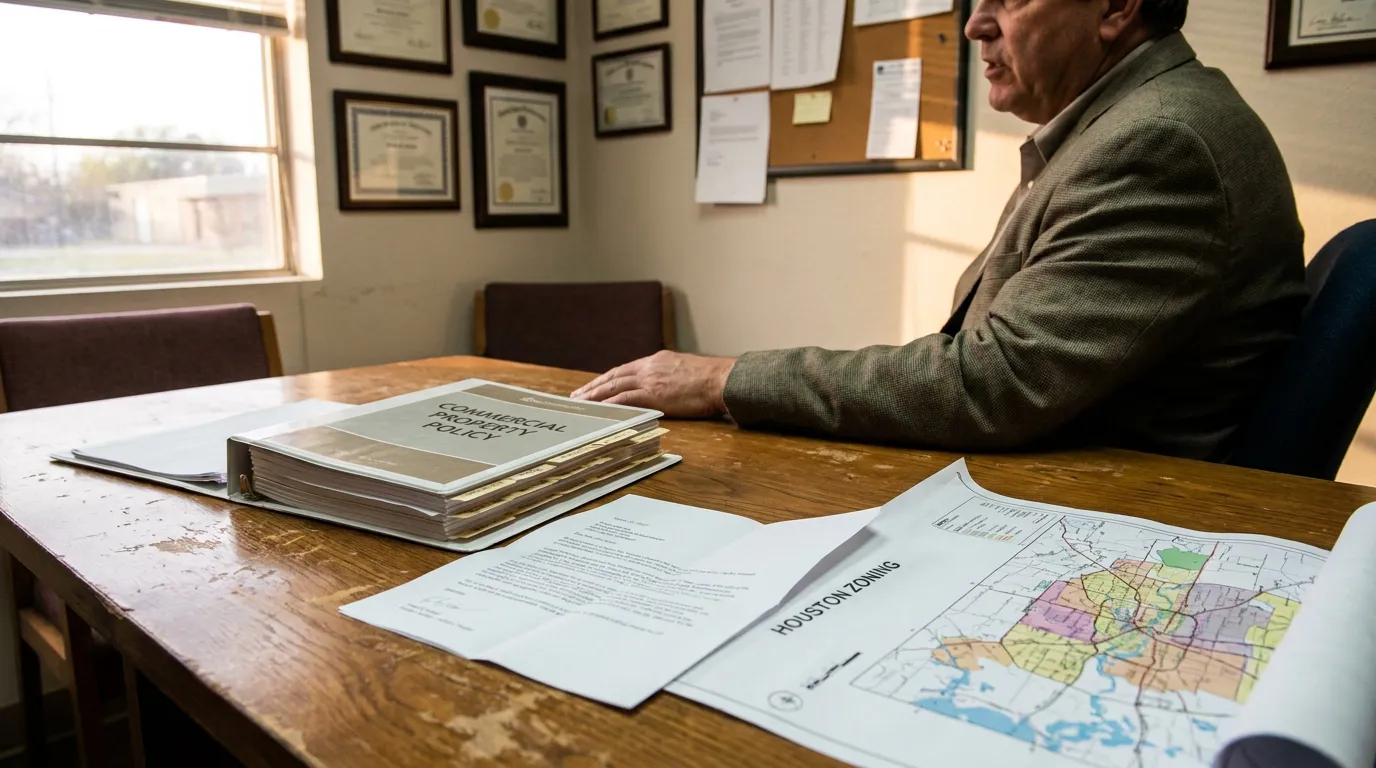
attorney seated at desk with Commercial Property Policy binder and Houston Zoning map

Why Commercial Property Claims Get Denied in Texas

Insurers deny commercial property claims for various reasons, and not all hold up under scrutiny. Common justifications include alleged policy exclusions, disputes over cause of loss, insufficient documentation, or arguments that damage predates coverage. Understanding the stated reason is the first step in building a challenge.

The Written Explanation You Are Owed

A carrier cannot simply reject your claim in silence. Under Texas Insurance Code Chapter 542, an insurer must notify the claimant in writing of acceptance or rejection, generally not later than the 15th business day after receiving all requested items, and Tex. Ins. Code § 542.056(c) requires a rejection notice to state the reasons. A denial letter lacking clear, policy-based rationale can signal a problem with how the claim was handled.

Depreciation Holdbacks and Deductible Proof

Sometimes what appears as a denial is actually a withheld payment tied to your deductible. Under Tex. Ins. Code § 707.004, an insurer may refuse to pay withheld recoverable depreciation or replacement cost holdback until it receives reasonable proof you paid the applicable deductible, such as a canceled check, money order receipt, credit card statement, or executed financing arrangement. Documenting your deductible payment can eliminate this justification.

💡 Pro Tip: Keep a dedicated folder including your full policy, denial letter, repair estimates, and proof of deductible payment to identify weak spots in the insurer’s reasoning.

Texas policyholders are protected by both statutory rights and codified consumer standards. The Texas Department of Insurance created a Consumer Bill of Rights that insurers must send with the policy and upon renewal. These protections work alongside the statutory framework governing claims processing.

Insurers are prohibited from using unfair claim settlement tactics. The Texas unfair settlement practices statute lists conduct that can support a bad-faith challenge. Specifically, Tex. Ins. Code § 541.060(a)(2) and (a)(7) prohibit refusing to pay a claim without conducting a reasonable investigation and failing in good faith to reach a prompt, fair settlement once liability becomes reasonably clear.

Two more provisions frequently support a policyholder’s position. Tex. Ins. Code § 541.060(a)(3) makes it an unfair practice to fail to promptly provide a reasonable explanation of the policy basis for a denial, and § 541.060(a)(4) addresses failing within a reasonable time to affirm or deny coverage or submit a reservation of rights. Courts apply Chapter 542 with these consumer protections in mind, and Tex. Ins. Code § 542.054 directs that the subchapter be liberally construed to promote prompt payment of insurance claims.

Confirming the Statute Applies to Your Policy

Not every line of insurance falls within the same statutory scope. Tex. Ins. Code § 542.053 excludes workers’ compensation, mortgage guaranty, title insurance, fidelity, surety and guaranty bonds, and marine insurance. Before relying on Chapter 542, confirm your commercial property policy falls within its coverage. Claims arising from forces of nature, such as hail, windstorms, hurricanes, floods, wildfires, and freezes, are additionally governed by Chapter 542A, which imposes presuit notice requirements and modifies certain remedies.

Steps to Challenge a Commercial Property Claim Denial

A methodical, well-documented approach generally gives you the strongest footing. Challenging a denial is about building a record that shows coverage, causation, and measurable damages.

  • Read the denial and policy together. Match each stated reason to the specific policy language cited.
  • Gather independent evidence. Photos, contractor estimates, and engineering reports can rebut causation findings.
  • Request the claim file. Ask in writing for the adjuster’s report and denial basis.
  • Submit a written appeal. Address each denial reason directly with supporting documentation.
  • Track every deadline. Note when you submitted materials and when the insurer responded.

Documenting everything in writing is one of the most valuable habits you can develop. Written communication creates a clear record and paper trail. Verbal promises are difficult to enforce, while a written record can later become evidence of delay or unreasonable conduct.

💡 Pro Tip: When you call an adjuster, follow up with an email summarizing the discussion to convert it into a written record.

If your insurer refused to pay, review this guide on what to do when a commercial property claim denial Houston owners face has stalled your recovery.

Deadlines and Damages You Should Know

Texas imposes firm timelines on insurers, and missing them can carry financial consequences. Once a claim is approved, the company must pay within 5 business days under the Consumer Bill of Rights standard. If an insurer subject to the prompt-payment subchapter is liable but fails to comply, Tex. Ins. Code § 542.060(a) makes it liable to pay, in addition to the claim amount, interest at the rate of 18 percent a year as damages, together with reasonable and necessary attorney’s fees. For claims arising from forces of nature, § 542.060(c) and Chapter 542A apply a different calculation, tying interest to the Texas judgment rate (currently lower) rather than the flat 18 percent.

Statutory Duty Governing Provision General Timeline
Written acceptance or rejection Tex. Ins. Code § 542.056 By the 15th business day after all items received
Payment after approval Consumer Bill of Rights Within 5 business days
Prompt-pay noncompliance penalty Tex. Ins. Code § 542.060 18% annual interest plus fees (lower rate for Chapter 542A weather claims)

Bad-faith exposure is not erased by specialized statutory contexts. Statutory bad-faith remedies for policyholders challenging a denial are grounded in Texas Insurance Code Chapters 541 and 542, which prohibit unfair settlement practices and impose prompt-payment obligations on insurers statewide. Statutory bad-faith remedies generally remain available to policyholders challenging a denial.

💡 Pro Tip: Watch your own filing deadlines. Civil statutes of limitations differ from administrative complaint windows, so do not assume a discovery rule or tolling will apply.

When to Call a Denied Commercial Insurance Claim Lawyer

Some disputes resolve through a well-supported appeal, while others require legal action. If your carrier ignores documentation, offers an unreasonable settlement, or continues to delay, it may be time to speak with a denied commercial insurance claim lawyer. Legal counsel can evaluate whether the insurer’s conduct crosses into unfair settlement practice and help preserve evidence needed to prove coverage and causation.

Outcomes depend heavily on specific facts of each claim. A denied commercial insurance claim lawyer can assess your policy language, the insurer’s stated reasons, and the strength of your independent evidence before recommending strategy. Visit our page on denied commercial insurance claim lawyer services in Houston.

💡 Pro Tip: Do not sign a release or accept a partial payment described as "final" until you understand whether it waives your right to pursue the rest of the loss.

Frequently Asked Questions

  1. How long does an insurer have to respond to my commercial claim in Texas?

Timelines are set by statute and depend on when the insurer receives your materials. Under Tex. Ins. Code § 542.056, an insurer must generally notify you in writing of acceptance or rejection by the 15th business day after receiving all requested items.

  1. Can I still recover if the insurer denied my claim without a real investigation?

Possibly, because Texas prohibits refusing to pay without reasonable investigation. Tex. Ins. Code § 541.060(a)(2) and (a)(7) can support a challenge when an insurer fails to investigate or attempt a prompt, fair settlement once liability is reasonably clear.

  1. What damages might be available if my insurer delayed payment?

Prompt-payment violations can add significant amounts to your recovery. Tex. Ins. Code § 542.060(a) provides for 18 percent annual interest as damages plus reasonable attorney’s fees when a liable insurer fails to comply; for weather-related claims under Chapter 542A, § 542.060(c) applies a lower interest rate tied to the Texas judgment rate.

  1. Does Chapter 542 apply to every commercial policy?

No, several lines are excluded. Tex. Ins. Code § 542.053 excludes workers’ compensation, mortgage guaranty, title, fidelity, surety, and marine insurance, so confirming your policy type matters.

  1. Should I keep talking to the adjuster while I appeal?

Yes, but keep communication in writing whenever possible. A clear paper trail helps document delays or inconsistencies and strengthens your position if the dispute escalates.

Moving Forward With Confidence

A denied commercial property claim in Houston is a starting point for a challenge, not a dead end. Texas law entitles you to a written explanation, prohibits unfair settlement tactics, imposes prompt-payment deadlines, and preserves bad-faith remedies for policyholders. By confirming Chapter 542 applies to your policy, documenting every communication, and gathering independent evidence, you strengthen your position to contest wrongful denial or underpayment.

If your business is dealing with a stalled or rejected claim, do not wait for the insurer to reconsider. Contact Fitts Law Firm, PLLC today by calling 713-871-1670 or by using our secure contact form to discuss how we can help you pursue the recovery your policy promises.

inspector holding clipboard documenting water damage stains inside flood-damaged home

Who Determines Flood Damage Value in a Houston NFIP Claim Dispute?

Flood Damage Value Disputes: Understanding Who Sets the Number on Your Houston Claim

Key Takeaways: In Houston NFIP flood claim disputes, the insurance company does not set the dollar value alone. When parties disagree on the loss amount, a contractual appraisal process using each side’s appraiser and a neutral umpire determines the final figure. Appraisers decide damage value; courts decide coverage and insurer conduct. Under Texas Chapter 1813, an appraisal award is binding except for fraud, accident, or material mistake, but cannot rewrite policy terms or limits. Because NFIP is federal, Texas appraisal rules provide instructive context, so confirm which clause governs your policy. Strict deadlines apply, some Texas policies require appraisal demand within 60 days and claim filing within one year, while NFIP claims carry separate federal deadlines. Homeowners retain bad-faith protections and can strengthen their legal position with independent estimates and thorough documentation.

When your flood claim comes back for far less than the cost to rebuild, who actually decides what your loss is worth? In most Houston flood claim disputes, the insurance company does not dictate the final dollar value alone. When parties disagree on the loss amount, a contractual valuation process called appraisal determines the final figure by utilizing each side’s appraiser alongside a neutral umpire. For homeowners facing an underpaid flood insurance claim, the adjuster’s low estimate is merely the beginning of negotiation, not the final word.

If you are staring down a lowball offer after a severe weather event, a lowball flood offer lawyer at Fitts Law Firm, PLLC can help you evaluate your legal options. Call our team at 713-871-1670, visit us online at Fitts Law Firm, PLLC, or reach out through our contact page to discuss your situation today.

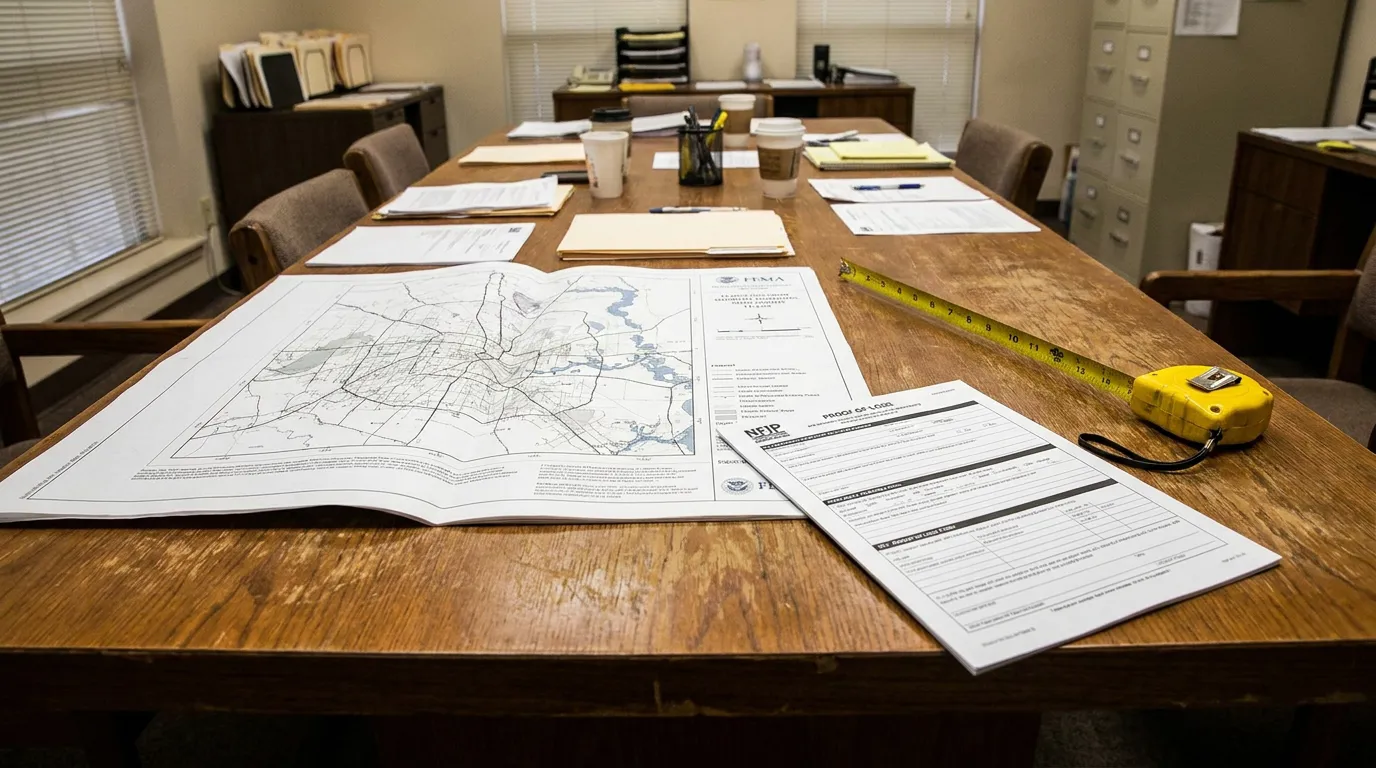
FEMA flood map and NFIP Proof of Loss form with tape measure on conference table

The Difference Between Federal Flood Coverage and the Adjuster’s Estimate

National Flood Insurance Program (NFIP) policies are backed by the federal government, and their claim handling follows strict federal rules alongside Standard Flood Insurance Policy terms. After a flood event, a claims adjuster inspects the property, measures the water lines, and prepares an initial estimate of covered damage. That estimate reflects the adjuster’s professional opinion, but it is not automatically binding on your recovery.

Valuation is a professional determination, not absolute fact. Different qualified professionals frequently reach materially different conclusions about the exact same property damage. Because an assigned value represents an informed opinion rather than an unchallengeable number, consulting a federal flood coverage lawyer or an adjuster’s estimate lawyer can help you effectively challenge inaccuracies.

💡 Pro Tip: Photograph and video every damaged room before removing any debris, and keep all receipts for temporary repairs. Detailed documentation is absolutely essential for successfully challenging a low estimate.

How Appraisal Resolves a Flood Damage Value Dispute in Texas

For property policies governed by Texas law, appraisal is the contractual mechanism for resolving disagreements about loss value. This insurance appraisal process provides a structured, contractually agreed method for resolving financial disagreements between the carrier and the policyholder. You can read more about the doctrine in this St. Mary’s Law Journal analysis of appraisal in coverage litigation.

The appraisal process is deliberately structured to keep valuation neutral. Each side selects an independent appraiser, and a neutral umpire resolves any remaining differences to fix the final loss value. Importantly, appraisal answers a very narrow question: determining the “amount” of the loss in scenarios where coverage itself is not in dispute.

That boundary between valuation and coverage is central to any flood damage value dispute in Texas. Appraisers decide how much the physical damage is worth, while the courts decide whether that specific loss is covered under the policy. Chapter 1813 of the Texas Insurance Code reinforces this principle, stating that the appraisal provision provides a dispute resolution process solely to determine the amount of loss. If you are navigating this complex boundary, a flood damage value dispute lawyer or an insurance appraisal Texas lawyer can help protect your rights.

When an Appraisal Award Becomes Binding, and When It Does Not

Once appraisers determine the amount of loss under Texas’s statutory framework, that number generally binds both sides, but only within defined limits. Under the statute, except for instances of fraud, accident, material mistake, or an award made without authority, the amount of loss determined by appraisal is binding on both the policyholder and the insurer. If you need to challenge or enforce a decision, an appraisal award binding lawyer can guide you through the legal standards.

Appraisal, however, cannot rewrite your coverage. The law is explicit that an appraisal does not alter any applicable policy terms, and an appraisal award must be made in substantial compliance with the policy’s specific appraisal clause. Even a highly favorable award must still fit within the coverage parameters, deductibles, and financial limits your policy provides.

Timing and scope caveats matter here, especially for flood. Chapter 1813 applies to personal auto or residential property policies issued in Texas, but it does not apply to Texas Windstorm Insurance Association or commercial policies. Because NFIP flood coverage operates as a federal program, homeowners should treat the Texas appraisal framework as instructive context rather than automatic authority. It is crucial to confirm which appraisal clause governs your specific policy, a task where an NFIP flood claim lawyer or a Texas Insurance Code Chapter 1813 lawyer can provide vital clarity.

💡 Pro Tip: Read the “how we resolve disputes” language in your declarations page before formally demanding an appraisal. Texas policies subject to Chapter 2210 must contain conspicuous notice regarding the processes and strict deadlines for appraisal.

Deadlines You Cannot Afford to Miss

Flood claim disputes live and die by deadlines, and missing one can quietly end a strong claim. Under Texas’s windstorm framework, a claimant disputing the amount of loss may demand appraisal not later than the 60th day after receiving the required notice. Different policies impose different clocks, and NFIP flood claims carry their own strict federal deadlines for submitting a proof of loss and initiating litigation.

Texas requires certain policies to flag these timeframes conspicuously. Under Chapter 2210, applicable policies must give clear notice of appraisal processes and generally require filing a claim within one year of the damage occurring. These deadlines are rarely extended automatically, so treat every date as firm unless a dispute resolution flood claim lawyer confirms otherwise.

Question in Dispute Who Typically Decides
Amount or total dollar value of the loss Appraisers and a neutral umpire
Whether the loss is covered Courts, applying policy terms
Whether the insurer acted unreasonably Courts, under bad-faith statutes

Bad Faith: Your Leverage Beyond the Appraisal Number

Appraisal decides value, but Texas statutes give Houston policyholders separate tools when an insurer handles a claim unfairly. The Texas Insurance Code identifies certain conduct as an unfair settlement practice, including failing to attempt in good faith to effectuate a prompt, fair, and equitable settlement of a claim once the insurer’s liability has become reasonably clear.

The statute also targets unjustified denials and inadequate investigations. It prohibits an insurer from failing to promptly provide a policyholder with a reasonable explanation of the basis in the policy for a claim denial, as well as refusing to pay a claim without conducting a reasonable investigation. You can review the full text of these vital consumer protections in Chapter 541 of the Texas Insurance Code.

One important caution is that appraisal has evolved into a defensive tool for insurers. Recent case law has sometimes allowed insurers to escape liability for breach of contract, attorneys’ fees, and statutory “bad faith” claims after an appraisal. Whether appraisal helps or hurts your case is highly fact-specific, which is why strategic planning with an underpaid flood insurance claim lawyer matters before you invoke the process.

Practical Steps for Houston Homeowners Facing an Underpaid Flood Insurance Claim

Homeowners have more control than they often realize once they understand the appraisal and bad-faith framework. If you are dealing with an underpaid flood insurance claim in Houston, a flood damage attorney Houston residents trust can help you execute a few practical moves to preserve your leverage:

  • Request the adjuster’s full estimate and the line-item basis for every value assigned.
  • Obtain an independent contractor or appraiser estimate to rebut a low figure.
  • Keep all communications in writing and carefully note every deadline in your policy.
  • Confirm whether the appraiser being proposed is truly neutral and qualified.

Appraiser neutrality is not a technicality; it is a core legal principle. The appraiser must remain independent of the interests of any other party and possess the right qualifications. For a fuller checklist of actions to protect your recovery, review these steps for handling a low flood payout.

💡 Pro Tip: If your adjuster’s report omits hidden damage like subfloor rot or drywall wicking, get a moisture reading documented in writing. Concealed damage is a frequent reason why valid claims come back significantly underpaid.

Frequently Asked Questions

  1. Who ultimately decides the value of my Houston flood damage?

In an amount-of-loss dispute, appraisers decide the value rather than the insurer alone. Each side selects an appraiser, and a neutral umpire resolves any lingering differences. Whether that final award binds you depends on your specific policy language and the governing law.

  1. Does appraisal cover whether my flood loss is covered at all?

Generally, no. Appraisal determines the amount of the loss, not the underlying coverage. Coverage questions, such as whether a specific flood exclusion applies, remain legal issues for courts to decide.

  1. Can I still pursue a bad-faith claim if I go through appraisal?

It depends heavily on the facts and current Texas case law. Some decisions have allowed insurers to limit their bad-faith exposure after paying an appraisal award. Seeking guidance from a flood insurance lawyer Houston relies on before invoking appraisal can be incredibly valuable for your overall strategy.

  1. How long do I have to dispute an underpaid flood claim?

Deadlines vary by policy and program, and they are strict. Some Texas policies require an appraisal demand within 60 days of notice and claim filing within one year of the damage. Meanwhile, NFIP flood claims follow separate, rigid federal deadlines, meaning you must act quickly to protect your rights.

  1. Do I need an appraisal for every flood claim underpayment in Texas?

Not necessarily. Appraisal is just one dispute resolution tool among several available to policyholders. Reviewing your policy and underpayment with a Texas appraisal process lawyer helps determine whether negotiation, appraisal, or litigation best fits your unique circumstances.

Protecting the Value of Your Flood Claim

The adjuster’s estimate is often just a starting point, and Houston homeowners have meaningful ways to contest a low number. Between the appraisal process that fixes the amount of loss, coverage questions reserved for courts, and unfair-settlement protections in the Texas Insurance Code, policyholders have real leverage in a property insurance dispute. The key to success is understanding which tool applies, respecting strict deadlines, and building strong documentation. If you want to learn more about how a Fitts Law Firm PLLC lawyer approaches these complex matters, explore our work on denied insurance claims in Houston.

If your flood payout does not reflect the true cost of your loss, do not accept it at face value. Contact Fitts Law Firm, PLLC by calling 713-871-1670, visit our website to learn more, or send us a message through our online contact form to have your flood claim reviewed today.

woman reviewing highlighted insurance policy document on residential porch steps

Who Qualifies to File a Bad Faith Claim Against a Houston Home Insurer?

Understanding Your Right to Challenge an Unfair Home Insurance Denial

Key Takeaways: In Houston, the policyholder (named insured) or a named beneficiary under the policy generally qualifies to file a bad faith claim against a home insurer, not an unrelated third party asserting claims under a liability policy. Texas law makes it an unfair and deceptive act for an insurer to mishandle a claim through practices like misrepresenting policy terms, failing to settle promptly once liability is clear, or refusing to pay without a reasonable investigation. Qualifying homeowners may pursue both statutory unfair practices claims and common-law bad faith theories, though not every delayed or reduced payment amounts to bad faith. Written notice to the insurer and thorough documentation of communications are key steps that protect your eligibility. Strict deadlines apply, generally two years for property-damage and tort claims and up to four years for contract-based theories. Because eligibility depends on your policy status, the insurer’s conduct, and applicable limitations periods, your specific facts determine whether you qualify.

If your Houston home insurance claim was denied, underpaid, or delayed, you may qualify to file a bad faith claim when your insurer failed to treat you fairly under Texas law. Generally, the policyholder or a named beneficiary qualifies, not an unrelated third party. Texas statutes make it an unfair and deceptive act for an insurer to mishandle a claim, and understanding these rules is the first step toward protecting your recovery after a storm, roofing loss, or other property damage.

If you believe your insurer acted unreasonably, the team at Fitts Law Firm, PLLC is ready to review your policy and your denial. Call us at 713-871-1670 or reach out through our online contact form to discuss your options today.

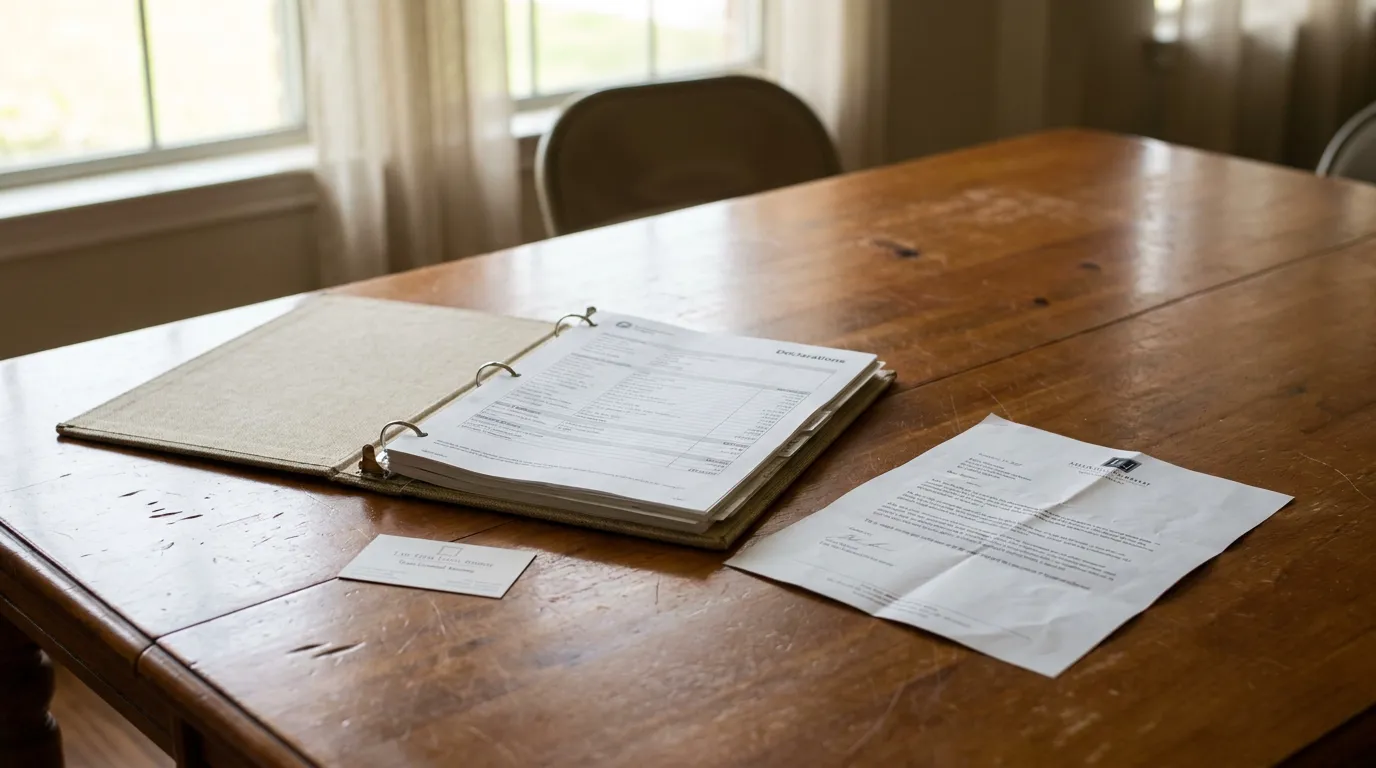
open declarations binder with signed letter and law firm business card on wooden table

Who Has Standing to Bring a Bad Faith Claim in Texas

Standing to file generally belongs to the insured or the beneficiary under the policy. Texas law makes it an unfair or deceptive act for an insurer to engage in specified unfair settlement practices against an insured or beneficiary, which forms the statutory foundation of a bad faith claim.

Importantly, standing does not extend to everyone affected by a loss. The law expressly does not give a cause of action to a third party asserting claims against an insured under a liability policy, meaning generally the policyholder (or beneficiary) qualifies to file. These unfair settlement practices are codified under Tex. Ins. Code § 541.060(a)-(b), and you can review the framework of these unfair settlement practices directly in the statute.

💡 Pro Tip: Locate your declarations page early. It identifies the named insured and any additional insureds, which often determines who is legally entitled to pursue a claim.

What Insurer Conduct Qualifies as Bad Faith

Texas gives homeowners a practical checklist of behaviors that can constitute bad faith. The statute lists concrete insurer behaviors that qualify, offering a way to evaluate whether a denial was handled improperly. Under Tex. Ins. Code § 541.060(a)(1)-(7), the following conduct commonly supports a claim:

  • Misrepresenting a material fact or a policy provision relating to coverage
  • Failing to attempt a prompt, fair settlement once liability is reasonably clear
  • Failing to provide a reasonable explanation for a denial
  • Failing to timely affirm or deny coverage
  • Refusing to pay a claim without a reasonable investigation

Not every withheld payment amounts to bad faith, however. Texas law permits a property insurer with replacement cost coverage to refuse to pay withheld recoverable depreciation or a replacement cost holdback until it receives reasonable proof the policyholder paid the applicable deductible.

Homeowners should confirm they have supplied acceptable proof (such as a canceled check, money order receipt, credit card statement, or a financing/installment contract) before treating a withholding as improper. This rule appears in Tex. Ins. Code § 707.004, and courts distinguish a lawful withholding from an unreasonable one based on the specific facts.

Statutory and Common-Law Paths: A Houston Bad Faith Insurance Attorney Explains

Texas recognizes both statutory unfair practices claims and common-law bad faith as separate theories. This means a qualifying policyholder may have more than one avenue to pursue recovery. Texas courts have long recognized a common-law duty of good faith and fair dealing in the first-party insurance relationship, and that duty exists independently of the statutory unfair-practices remedies under Chapter 541 of the Insurance Code.

Texas statutes also acknowledge these theories as distinct. This provision confirms that nothing in Chapter 84 limits an insurer’s liability under Chapter 541 of the Insurance Code or in an action for bad faith conduct, breach of fiduciary duty, or negligent failure to settle a claim. That language appears in Tex. Civ. Prac. & Rem. Code § 84.007, which treats statutory and common-law bad faith as separate, recognized categories of insurer liability. Whether one or both theories apply is fact-dependent, so working with a bad faith insurance attorney Houston homeowners trust can help clarify which claims fit your circumstances.

💡 Pro Tip: Keep a dated log of every phone call, email, and letter with your adjuster. Documentation is often the difference between a provable claim and a difficult one.

The Documentation and Notice Steps That Protect Eligibility

Written notice is frequently a prerequisite to triggering your legal rights. To trigger many legal rights, the policyholder must give the insurer written notice of the claim, and communicating in writing helps maintain a paper trail.

Prompt-payment rules also give homeowners leverage. Texas imposes prompt-payment obligations on insurers; after notifying the insured a claim is approved, the company must pay within five business days. Houston policyholders can contact the Texas Department of Insurance if the insurer purposely delays and ignores written payment requests. Administrative complaints to the Department of Insurance are separate from a civil lawsuit, though both may address the same underlying delay.

Texas policyholders also hold codified consumer rights. The Texas Department of Insurance created a Consumer Bill of Rights for homeowners, dwelling, and renters insurance, currently codified at 28 Tex. Admin. Code § 5.9971 (moved from § 5.9970 effective May 16, 2021, and updated effective November 1, 2024), and insurers are required by law to send it with each new policy and upon renewal. Reviewing that document alongside your policy can help you recognize a homeowner claim denial Texas residents may have grounds to challenge.

Deadlines That Determine Whether You Still Qualify

Timing is one of the most important factors in whether you can still file. Texas law imposes a strict two-year deadline for many tort and property-damage claims. Missing the deadline generally bars the claim entirely. This period is set by Tex. Civ. Prac. & Rem. Code § 16.003(a).

Contract-based theories can carry a different clock. Texas imposes a four-year statute of limitations on claims involving contractual obligations. Under the residual four-year limitations statute, a suit for breach of contract generally must be brought not later than four years after the cause of action accrues. This general four-year period applies to breach-of-contract claims on an insurance policy. Because certain claims may be subject to shorter contractual or statutory deadlines, and exceptions can apply, you should confirm the applicable period for your specific dispute; you can also review the two-year limitations period that governs many property claims.

Claim Type General Limitations Period Governing Statute
Property damage / many tort claims Two years Tex. Civ. Prac. & Rem. Code § 16.003(a)
Contract-based disputes Four years Tex. Civ. Prac. & Rem. Code § 16.051

Courts interpret deadline extensions narrowly. Tolling and discovery-rule arguments may apply only in limited circumstances and should never be assumed. Because outcomes depend on your specific facts, prompt action is generally wise.

💡 Pro Tip: Do not wait for an appraisal or internal appeal to conclude before calculating your deadline. Limitations periods can run while an insurer stalls.

Common Challenges Homeowners Face

Many denials arrive with vague or shifting explanations. Insurers sometimes cite policy exclusions, dispute causation, or argue that damage predates the covered event. A qualified Houston insurance denial attorney can help you rebut engineering reports with independent evidence.

Underpayment can be as harmful as an outright denial. When an insurer acknowledges coverage but pays far less than the loss, that gap may support a Texas insurance claim dispute if the valuation was unreasonable.

Frequently Asked Questions

1. Who is eligible to file a bad faith claim against a Houston home insurer?

Generally, the named insured or a policy beneficiary qualifies. The law expressly does not provide a cause of action to a third party asserting claims against an insured covered under a liability insurance policy. Whether you qualify depends on your policy and the facts of your loss.

2. How long do I have to file a bad faith or denied home insurance claim in Texas?

It depends on the theory. Texas imposes a strict two-year deadline for many property-damage claims, and missing the deadline generally bars the claim entirely. Contract-based claims may allow up to four years, but exceptions are applied narrowly.

3. Is every delayed or reduced payment considered bad faith?

No. Texas law permits a property insurer with replacement cost coverage to refuse to pay withheld recoverable depreciation until it receives reasonable proof the policyholder paid the deductible. Providing acceptable proof of payment can resolve some disputes.

4. What conduct should I document to support a claim?

Focus on written communications and timelines. The policyholder must give the insurer written notice of the claim, and communicating in writing helps maintain a paper trail. Keep denial letters, estimates, and photographs.

5. Can I pursue both statutory and common-law theories?

Often, yes. Nothing in the relevant chapter limits an insurer’s liability under Chapter 541 of the Insurance Code or in an action for bad faith conduct, breach of fiduciary duty, or negligent failure to settle a claim. Which theories apply is fact-specific.

Protecting Your Recovery After an Unfair Denial

Qualifying to file a bad faith claim in Houston generally comes down to your status as an insured or beneficiary, the insurer’s conduct, and the deadlines that govern your dispute. Texas law provides a clear checklist of unfair practices, preserves both statutory and common-law theories, and rewards homeowners who document communications and act before limitations expire. Because every policy and loss is different, outcomes depend on the specific facts of your situation.

If your claim was denied, underpaid, or delayed, the property insurance bad faith Houston team at Fitts Law Firm, PLLC is prepared to help. Call 713-871-1670 or complete our confidential case review request to learn whether you qualify and how to move forward.