
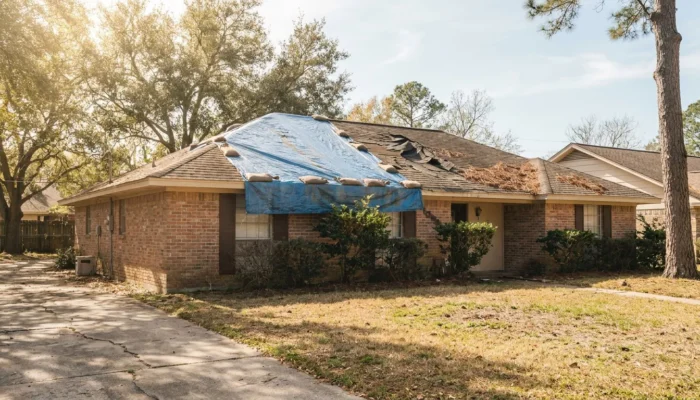
Understanding Texas’ Prompt Payment Deadlines for Approved Home Claims
Key Takeaways: Under the Texas Prompt Payment of Claims Act (Chapter 542), a standard insurer that notifies a Houston homeowner it will pay a claim must issue payment within five business days. If payment is conditioned on the homeowner performing an act, the clock runs from when that act is completed. Surplus lines insurers have 20 business days. Insurers must first meet earlier deadlines to acknowledge, investigate, and accept or reject claims. Catastrophe events don’t automatically excuse delays unless carriers formally notify the Texas Department of Insurance. Late payments trigger penalties under Tex. Ins. Code § 542.060: the claim amount plus 18 percent annual interest and attorney’s fees, though weather-related property claims under Chapter 542A use a different Finance Code interest rate (currently lower). Homeowners can file complaints with the Texas Department of Insurance separately from civil lawsuits.
When a Texas insurer notifies a Houston homeowner that it will pay a claim, it must issue payment within five business days. This short, fixed window sits at the heart of the state’s prompt payment framework. If payment is conditioned on the claimant performing an act, the insurer shall pay within five business days after the act is performed. This deadline gives homeowners a concrete benchmark to measure carrier compliance.
If your approved payout is delayed, the team at Fitts Law Firm, PLLC is ready to help. Call us at 713-871-1670 or reach out through our contact page to discuss your claim.
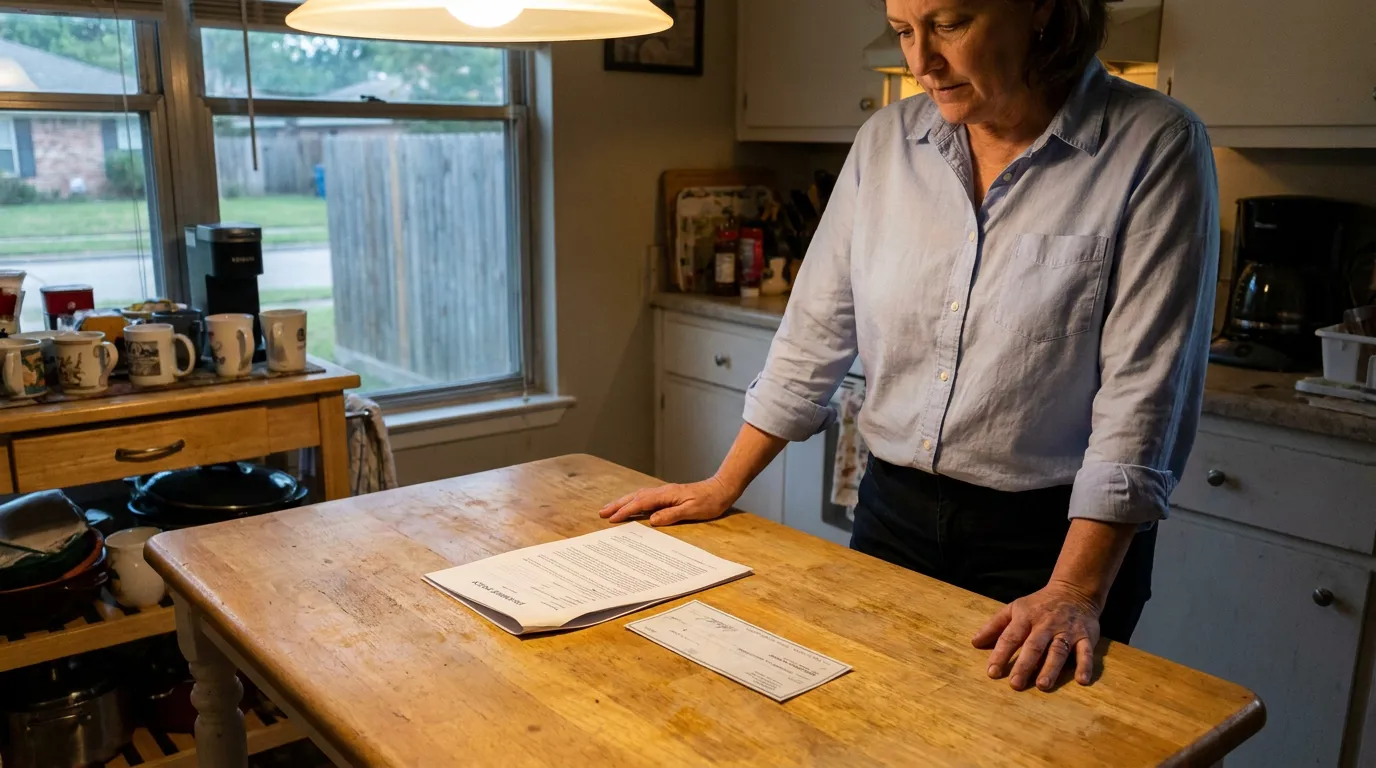
How Long Does an Insurance Company Have to Settle a Claim in Texas?
The answer depends on where you are in the claims process, but the payment deadline after approval is narrow and enforceable. The controlling authority is the Texas Prompt Payment of Claims Act, found in Chapter 542 of the Insurance Code. If an insurer notifies a claimant it will pay a claim, the insurer shall pay not later than the fifth business day after notice. You can review the statutory language governing processing and settlement of claims.
This deadline applies broadly across the Texas insurance market. All insurers authorized to do business in Texas, including surplus lines insurers, must comply with prompt payment laws, except for title insurance, fidelity, surety, guaranty bonds, marine insurance (as defined by Tex. Ins. Code § 1807.001), workers’ compensation and mortgage guaranty insurance. For typical Houston homeowners with residential property policies, prompt payment rules almost certainly apply.
💡 Pro Tip: Keep a dated log of every communication with your carrier, including when they told you the claim was accepted. That approval date triggers the five business day payment clock.
The Statutory Timeline Leading Up to Approval
Before the payment deadline is triggered, insurers must move through earlier deadlines. These steps prevent carriers from letting valid home insurance claims languish without action.
- Once notice of claim is received, the carrier must acknowledge the claim within 15 days (calendar days), or 30 business days for eligible surplus lines insurers.
- Within this time the insurer must begin investigation and request all relevant information. The claimant should provide information promptly.
- After receiving all requested information, insurers have 15 business days to accept or reject the claim, extendable up to 45 days with written explanation.
These pre-approval steps are governed by specific statutory provisions. Under Tex. Ins. Code § 542.055 and § 542.056, the insurer must acknowledge the claim, begin investigation, and notify the claimant in writing of acceptance or rejection. Because the statute sets no fixed deadline for claimants to supply information, prompt cooperation keeps the insurer on the clock.
Why the Acknowledgment Period Matters for Documentation
The acknowledgment and investigation phase is where many disputes begin. When insurers request information, they define what they need to decide, and gaps often become the basis for denial or underpayment. Homeowners who respond thoroughly in writing strengthen their position if claims are contested.
💡 Pro Tip: Submit information to your carrier in writing, even when they call. A confirming email creates a timestamped record of when you performed required acts, which matters for payment deadlines.
When the Five Business Day Rule Shifts
The standard five business day deadline is not absolute, and two common variations can change the timeline. Recognizing these helps you correctly calculate your insurer payment deadline rather than assuming delays are automatic violations.
First, the clock can start later when payout depends on your action. If payment is conditioned on signing a release, submitting proof of loss, or completing another required act, the five business day period runs from when you perform that act rather than from the approval notice. Prompt performance of any required condition directly affects when your money is legally due.
Second, surplus lines insurers operate on a longer schedule. Surplus lines coverage is used for hard-to-place or high-risk property, so Houston homeowners should confirm their carrier type. If the insurer is an eligible surplus lines insurer, payment is due within 20 business days after notice or the date the act is performed. This distinction can mean the difference between five and twenty day expectations.
| Situation | Payment Deadline After Trigger |
|---|---|
| Standard insurer, claim accepted | 5 business days after notice |
| Payment conditioned on claimant’s act | 5 business days after act performed |
| Eligible surplus lines insurer | 20 business days after notice or act |
Catastrophe Claims and the Prompt Payment Framework
Large storm events add another layer to the Texas insurance payment deadline analysis. After hurricanes and severe storms hitting Houston, insurers may argue catastrophes justified delays. However, that excuse is not open-ended. When losses arise from weather-related catastrophes designated by the Texas Commissioner of Insurance, statutory claim-handling deadlines under Chapter 542 are automatically extended by 15 additional calendar days; carriers that still fail to meet those extended deadlines remain subject to penalties under Tex. Ins. Code Section 542.060, including interest and attorney’s fees, and cannot delay indefinitely.
The prompt payment rules for insureds are reinforced elsewhere in the Insurance Code. An insurer shall comply with Subchapter B, Chapter 542, with respect to prompt payment to insureds. This confirms that protections Houston homeowners rely on when property claims are approved but payment is slow are anchored consistently throughout the statute. Our discussion of how long an insurer has to settle a claim walks through the timeline in more detail.
💡 Pro Tip: After a named storm, ask your carrier in writing whether it has invoked any catastrophe-related deadline extension. This separates legitimate extensions from unjustified delays.
Penalties When an Insurer Pays Late
Texas law gives prompt payment deadlines real teeth through statutory penalties. Under Tex. Ins. Code § 542.060, an insurer that violates the deadlines generally must pay, in addition to the claim amount, interest of 18 percent per annum plus reasonable attorney’s fees. However, for weather-related property claims governed by Chapter 542A, which covers losses caused by hurricanes, hail, wind, floods, and rainstorms, the penalty interest is tied to a Finance Code rate (currently lower than 18 percent), and Chapter 542A imposes a pre-suit notice requirement, generally at least 61 days before filing suit, affecting attorney’s fees recovery. Because many Houston home claims stem from storms, this weather-claim rule often controls.
Where formal denial or bad-faith conduct is involved, analysis often extends beyond timing alone. Late payment, unexplained underpayment, and outright denial each raise distinct legal questions about coverage, causation, and reasonableness of insurer conduct. Homeowners weighing options for denied insurance claims Houston benefit from understanding how the prompt payment statute interacts with breach-of-contract and bad-faith theories.
Escalating a Payment Delay to State Regulators
Policyholders are not limited to waiting on the insurer’s timetable. The Texas Department of Insurance collects data on carrier compliance and investigates insurer conduct. You can begin at the Texas Department of Insurance website to submit concerns about slow or unpaid claims. A regulatory complaint is generally separate from a civil lawsuit for breach of contract or bad faith.
Frequently Asked Questions
1. How long does an insurance company have to settle a claim in Texas after it approves payment?
Standard insurers must pay within five business days of notifying you they will pay. If payment is conditioned on an act you must perform, the clock runs from when you complete that act.
2. Does the deadline change if I have a surplus lines policy?
Yes, eligible surplus lines insurers have 20 business days rather than five. Confirming the type of insurer on your policy is an important early step.
3. What happens if my insurer misses the payment deadline?
The insurer may owe more than just the claim amount. Under Tex. Ins. Code § 542.060, violations can require carriers to pay 18 percent annual interest plus attorney’s fees; for weather-related property claims under Chapter 542A, a different Finance Code interest rate (currently lower) applies instead.
4. Can a hurricane or major storm excuse a late payment?
Not automatically. When losses arise from weather-related catastrophes designated by the Texas Commissioner of Insurance, statutory deadlines are automatically extended by 15 additional calendar days, but carriers cannot delay indefinitely, and penalties under Section 542.060 still apply once those extended deadlines pass.
5. Where can I report an insurer that will not pay my approved claim?
File a complaint with the Texas Department of Insurance Consumer Protection division. This administrative avenue is separate from filing a civil lawsuit; pursuing one does not replace the other.
Bringing the Timeline Into Focus
The core rule is straightforward: once your Houston property claim is accepted, payment is generally due within five business days, or twenty for surplus lines carriers. Around that rule sit earlier acknowledgment and acceptance deadlines, catastrophe-related extensions, and meaningful penalties for late payment under Chapter 542, though for storm and weather-driven losses, Chapter 542A can change both the applicable interest rate and pre-suit notice steps. Because every policy and loss is different, and insurers may raise fact-dependent defenses, how these rules apply to your situation can vary.
If your approved claim has stalled or your payout fell short, Fitts Law Firm, PLLC is prepared to review the details. Call 713-871-1670 today or visit our website to take the next step toward resolving your delayed home insurance claim.
