
When Your Insurer Looks the Other Way: Understanding Bad Faith in Texas
Key Takeaways: An insurer acts in bad faith when it ignores submitted evidence, contractor estimates, storm damage reports, or photographs, and denies a valid claim, since insurers may not disregard clear proof once liability becomes reasonably clear. Bad faith is a specific legal concept requiring proof the insurer knew or should have known coverage was clear; mere erroneous denial is insufficient. Chapters 541 and 542 of the Texas Insurance Code require reasonable investigations, prompt settlements, explanations, and 15-day acknowledgment. Carriers cannot hide behind biased expert reports, as courts scrutinize both independence and substance. Successful claims can recover actual damages, attorney’s fees, and up to treble damages when insurers knowingly violated the law.
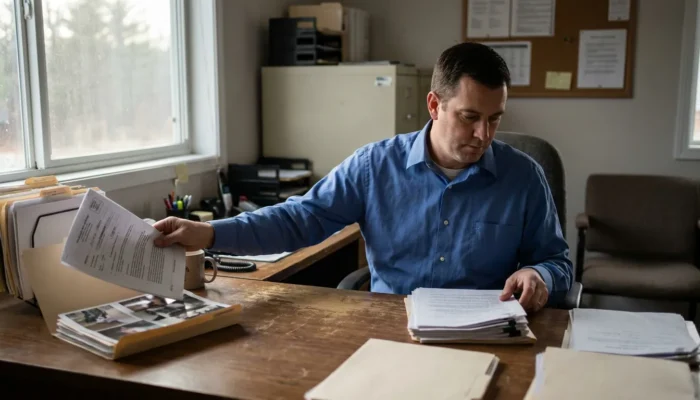
An insurer can be acting in bad faith when it ignores the evidence you submit and denies your claim anyway. Texas law prohibits insurance companies from disregarding contractor estimates, storm damage reports, or photographs without reasonable basis. When a Houston homeowner provides proof of a covered loss and the carrier ignores it, that conduct may constitute actionable bad faith, opening the door to remedies beyond policy limits.
If your homeowner’s claim was denied after you submitted clear documentation, you have legal options. The team at Fitts Law Firm, PLLC helps Texas policyholders hold insurers accountable. Call us at 713-871-1670 or reach out through our online contact page to discuss your situation.
What "Bad Faith" Actually Means Under Texas Law
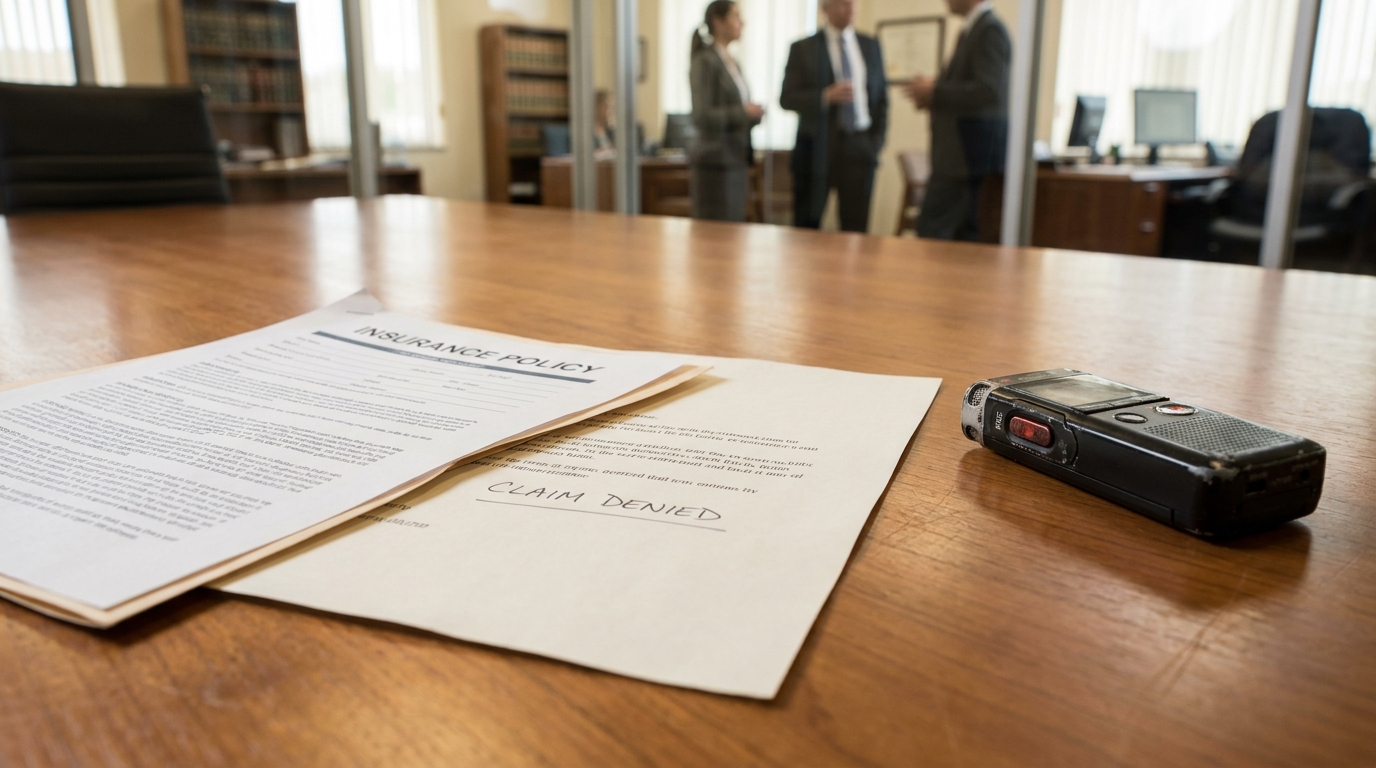
Bad faith is a specific legal concept, not just frustration with a slow or stingy adjuster. Under Texas law, an insurer breaches its duty of good faith and fair dealing when it fails to settle a claim if the insurer knew or should have known that coverage was reasonably clear. The Dallas Court of Appeals confirmed this standard in State Farm Lloyds v. Hamilton, 265 S.W.3d 725 (Tex. App., Dallas 2008).
Not every wrong decision counts as bad faith. Texas courts recognize in Hamilton, 265 S.W.3d at 734, that mere erroneous denial does not equate to bad faith. There must be something more, such as unreasonable reliance on evidence that was not objectively prepared. This nuance protects insurers who make honest mistakes while giving policyholders recourse when carriers act unreasonably.
💡 Pro Tip: Keep every email, letter, and voicemail from your insurer. A documented timeline of when you submitted evidence and how the carrier responded is often the backbone of a bad faith insurance denial Houston case.
The Statutory Framework That Protects Houston Homeowners
The Texas Insurance Code gives policyholders concrete legal tools when an insurer disregards proof of loss. Chapter 541 lists specific prohibited practices, and the unfair settlement practices provisions of Chapter 541 are where most evidence-related bad faith claims begin.
First, the law requires insurers to investigate before they deny. Under Tex. Ins. Code § 541.060(a)(7), refusing "to pay a claim without conducting a reasonable investigation with respect to the claim" is an unfair settlement practice. When a Houston homeowner submits photos, contractor estimates, or independent reports and the insurer denies anyway, that statute provides direct legal grounds for a claim.
Second, insurers must act when liability becomes clear. Tex. Ins. Code § 541.060(a)(2) prohibits "failing to attempt in good faith to effectuate a prompt, fair, and equitable settlement of a claim with respect to which the insurer’s liability has become reasonably clear." If compelling evidence of a covered loss exists and the carrier refuses to settle, that refusal can constitute bad faith.
The carrier also owes you an explanation and a timely answer. Under Tex. Ins. Code § 541.060(a)(3), an insurer must promptly provide a reasonable explanation for denial, grounded in policy terms and facts. A denial letter with boilerplate language that ignores your evidence may itself be actionable.
Deadlines: How the Prompt Payment Rules Reinforce Your Rights
The Texas Prompt Payment of Claims Act sets firm timelines that work in a policyholder’s favor. Chapter 542 of the Texas Insurance Code establishes mandatory deadlines for insurers to acknowledge, investigate, and accept or reject claims. You can review the prompt payment provisions in Chapter 542.
One deadline is particularly useful when an insurer stalls. Under Tex. Ins. Code § 542.055(a), not later than the 15th day after receiving notice, the insurer must acknowledge receipt, commence investigation, and request reasonably required items. An insurer that sits on a claim without investigating may already be violating this statute.
💡 Pro Tip: Send your claim and supporting documents in a way that creates proof of delivery. Establishing the exact date the insurer received notice starts the statutory clock and can expose delayed or absent investigation.
| Insurer Obligation | Governing Provision | What It Requires |
|---|---|---|
| Reasonable investigation | § 541.060(a)(7) | No denial without investigating the claim |
| Prompt, fair settlement | § 541.060(a)(2) | Settle when liability is reasonably clear |
| Reasonable explanation | § 541.060(a)(3) | Explain the denial under policy and facts |
| 15-day acknowledgment | § 542.055(a) | Acknowledge, investigate, and request items |
When an Insurer Hides Behind a Biased Expert Report
Carriers often deny storm claims by pointing to an engineering or causation report, but that report is not automatically a shield. Citing State Farm Lloyds v. Nicolau, 951 S.W.2d 444, 448 (Tex. 1997), Texas courts have held that an insurer may still be liable for bad faith if there is evidence the report was not objectively prepared or the insurer’s reliance was unreasonable.
The Hamilton case shows what lack of independence looks like. Evidence showed the insurer’s engineer was on the carrier’s approved list, that the insurer had retained the engineer on 1,440 claims and paid him more than $3.3 million over four years, and that the engineer had never testified against the insurer’s interests. From these facts, the court recognized in Hamilton, 265 S.W.3d at 735, that a jury could question the engineer’s objectivity.
A jury can also scrutinize the report’s substance. As noted in Hamilton, 265 S.W.3d at 736, 37, a jury may find that the report contained conflicts, didn’t state adequate grounds for conclusions, or failed to address alternative causes of damage. This is why independent documentation matters when challenging an insurer ignoring evidence.
Building a Record an Insurer Cannot Easily Dismiss
Strong, organized evidence is your best defense against a dismissive carrier. Policyholders who succeed generally create a documented file that an insurer must address directly. Consider preserving:
- Dated photographs and video of damage before and after temporary repairs
- Written estimates from licensed contractors and roofers
- Independent inspection or engineering reports addressing causation
- Complete log of every communication with the insurer and its adjuster
Even a thorough file does not guarantee a particular outcome. Bad faith claims are highly fact-dependent, and courts evaluate the reasonableness of the insurer’s conduct based on the specific record. A skilled Houston insurance dispute lawyer can help assess whether your facts support a viable claim. For more guidance, our denied insurance claims resource page explains how these cases are typically built.
What a Bad Faith Insurance Attorney in Houston Can Pursue for You
A successful bad faith claim can deliver remedies beyond the disputed policy amount. Tex. Ins. Code § 541.151 gives any person who sustains actual damages the right to bring a direct action against an insurer for unfair or deceptive practices. A Houston homeowner doesn’t need to wait for a government agency to act.
Recoverable damages can be substantial. Under Tex. Ins. Code § 541.152(a), a prevailing plaintiff may obtain actual damages plus court costs and reasonable attorney’s fees, along with other relief the court determines proper. Where the trier of fact finds the insurer knowingly committed the act complained of, Tex. Ins. Code § 541.152(b) permits an award of up to three times actual damages.
💡 Pro Tip: A reasonable explanation violation can stand on its own. As one federal court observed in S. Tex. Med. Clinics v. CNA Fin. Corp. (S.D. Tex. 2008), lack of coverage doesn’t automatically bar recovery for violating Chapter 541’s reasonable explanation provision.
Working with a Texas insurance bad faith attorney early helps preserve your evidence and options. A lawyer can evaluate whether the carrier’s investigation was genuine, whether any expert report was objectively prepared, and whether statutory deadlines were missed. You can find additional articles on insurer conduct and policyholder rights on our insurance law blog.
Frequently Asked Questions
1. Does ignoring my contractor’s estimate always mean my insurer acted in bad faith?
Not automatically. While disregarding credible evidence can support a bad faith finding, Hamilton makes clear that erroneous denial alone is insufficient. Courts look for something more, such as unreasonable investigation or reliance on a non-objective report.
2. How quickly must my insurer respond after I file a homeowner’s claim?
Generally within 15 days. Under Tex. Ins. Code § 542.055(a), the insurer must acknowledge the claim, commence investigation, and request needed items. A carrier that does nothing may be violating the Prompt Payment of Claims Act.
3. Can I sue my insurance company directly for bad faith in Texas?
Yes. Tex. Ins. Code § 541.151 allows a person who suffers actual damages to file a private lawsuit. You don’t have to wait for a regulator, though outcomes depend on specific facts.
4. What if my insurer relied on its own engineer’s report to deny me?
That report can be challenged. Under Nicolau, an insurer may face liability if the report was not objectively prepared or its reliance was unreasonable. Independent expert evidence is often key to rebutting it.
5. Are treble damages guaranteed if I win a bad faith case?
No. Enhanced damages under Tex. Ins. Code § 541.152(b) require a finding that the insurer knowingly committed the act, and the additional award is discretionary, not automatic.
Protecting Your Claim When the Carrier Won’t Listen
An insurer that ignores your evidence is not simply being difficult; it may be violating Texas law. When a carrier denies a claim without reasonable investigation, hides behind a biased report, or fails to provide real explanation, Chapters 541 and 542 give you meaningful recourse. The strongest cases pair thorough documentation with clear-eyed understanding that every result depends on the facts.
If you believe your Houston homeowner claim was ignored or wrongfully denied, don’t face the insurance company alone. Contact a dedicated bad faith insurance attorney Houston homeowners rely on at Fitts Law Firm, PLLC by calling 713-871-1670 or sending us a message through our secure contact form to learn how we can help.
