
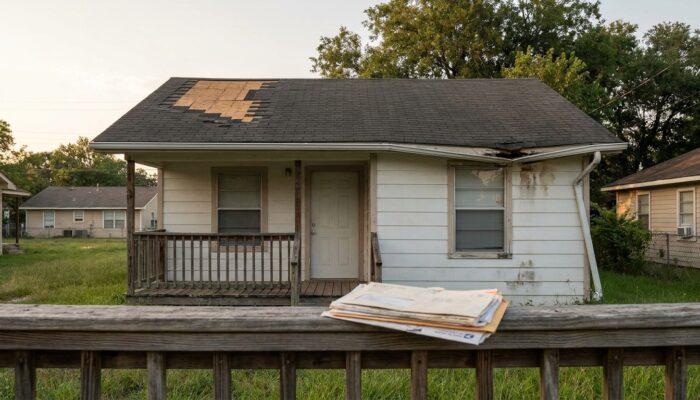
How Concurrent Causation Gives Houston Insurers a Reason to Deny Your Claim
When a single storm sends wind, rain, and floodwater through your Houston home simultaneously, your insurer may invoke "concurrent causation" to reduce or deny your entire claim. This legal doctrine applies when two or more events cause property damage at the same time, with at least one event excluded under your policy. In Houston, where hurricanes routinely produce both wind damage (covered) and flood damage (excluded), insurers frequently use this doctrine to avoid paying valid claims.
If your homeowner insurance claim has been denied because your insurer blamed flooding or other excluded causes, Fitts Law Firm, PLLC can help. Call 713-871-1670 or reach out online to discuss your situation.
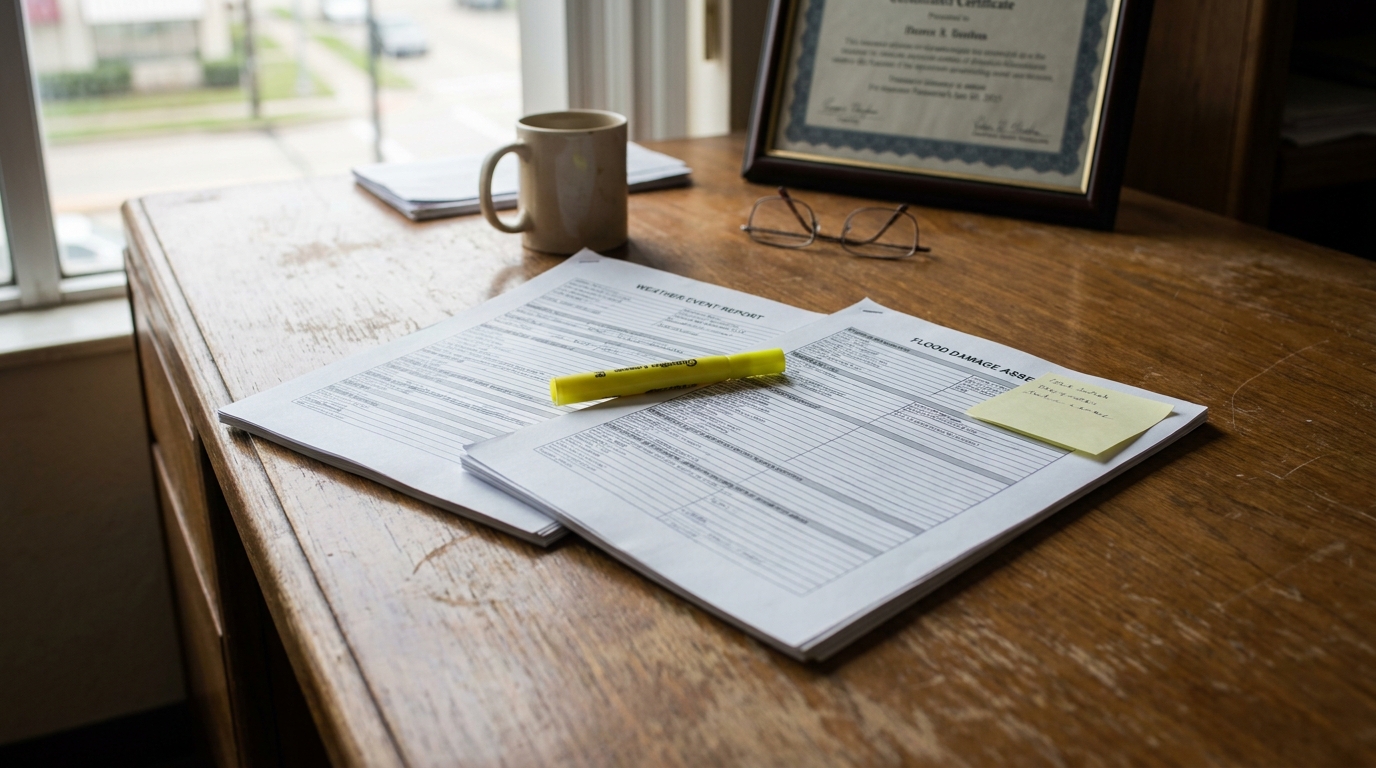
Understanding the Concurrent Causation Doctrine in Texas Insurance
Concurrent causation applies when two or more perils act together to cause a single loss, with one peril covered and another excluded. For example, a hurricane may drive wind through your roof while simultaneously pushing floodwater into your first floor. Wind damage is typically covered under a standard Texas homeowner policy, but flood damage is not. When both forces contribute to the same loss, your insurer may argue the damage is inseparable and deny coverage entirely.
In Texas, the policyholder bears the burden of proving the cause of loss. If your insurer raises concurrent causation as a defense, you may need independent evidence, engineering reports and detailed documentation, to demonstrate which damage was caused by covered wind versus excluded flooding.
How Anti-Concurrent Causation Clauses Work
Most modern Texas homeowner policies contain an anti-concurrent causation (ACC) clause. This language typically states that if an excluded peril contributes to a loss in any way, even partially, the insurer owes nothing for the entire loss. Anti-concurrent causation (ACC) clauses are generally enforceable in Texas courts following the Texas Supreme Court’s decision in JAW The Pointe, LLC v. Lexington Ins. Co. (2015), although whether an ACC clause bars coverage in a specific claim depends on the particular facts and evidence.
💡 Pro Tip: Review your policy’s exclusion section for language stating losses are excluded "regardless of any other cause or event contributing concurrently or in any sequence to the loss." That’s the ACC clause insurers rely on most in Houston storm claims.
The Frymire Case and Its Impact on Texas Policyholders
The Fifth Circuit Court of Appeals certified questions to the Texas Supreme Court in Frymire Home Services, Inc. v. Ohio Security Insurance Company, asking whether the concurrent causation doctrine applies when non-covered damage like wear and tear exists but did not directly cause the loss. The Texas Supreme Court accepted those certified questions, but it never resolved them because the parties settled and the case was dismissed on December 3, 2021. Organizations like United Policyholders argued that incidental pre-existing conditions shouldn’t give insurers blanket authority to deny otherwise covered claims under Texas law. This case highlights that concurrent causation boundaries in Texas remain fact-dependent and subject to evolving judicial interpretation.
Why Houston Homeowners Face More Concurrent Causation Denials
Houston’s geography and weather create a perfect environment for concurrent causation disputes. The city sits on the Gulf Coast, experiences frequent hurricanes, and contains vast flood-prone areas. More than half of homes flooded by Hurricane Harvey were outside designated flood zones, meaning many homeowners lacked separate flood policies.
Standard Texas homeowner policies don’t cover flood damage. The Texas Department of Insurance confirms most home policies exclude flood damage, requiring separate flood coverage. When storms produce both wind and water damage, insurers frequently use the flood exclusion with ACC clauses to deny claims for damage partially caused by covered wind.
Coastal Wind Exclusions Add Another Layer
If you live on the Texas Gulf Coast, including parts of Harris County near Galveston Bay, your policy may not cover wind and hail damage at all. These homeowners must obtain separate windstorm coverage through the Texas Windstorm Insurance Association (TWIA). This separation creates additional concurrent causation disputes when single storms cause overlapping damage.
💡 Pro Tip: If you carry both a standard homeowner policy and TWIA windstorm policy, document storm damage immediately with photos, video, and notes. Early separation of wind from flood damage strengthens your position if either insurer raises concurrent causation.
What Texas Law Requires From Your Insurer During the Claims Process
Texas law imposes specific deadlines on insurance companies, even when concurrent causation is at issue. Under the Texas Prompt Payment of Claims Act (Texas Insurance Code Chapter 542), your insurer must acknowledge your claim and begin investigating within 15 days of receiving notice. After receiving all requested items, the insurer must accept or deny your claim within 15 business days. In weather-related catastrophes, the Texas Insurance Commissioner may extend these deadlines by 15 calendar days. Once the insurer agrees to pay, it must send your check within five business days.
If your insurer unreasonably delays payment, Texas law provides penalties. Under Section 542.060, an insurer failing to meet statutory deadlines may be liable for 18 percent per annum interest on the claim amount, plus reasonable attorney fees, if the policyholder obtains a judgment. For weather-related property damage claims, Chapter 542A may apply a different, lower interest rate tied to the Texas Finance Code.
| Insurer Obligation | Texas Law Deadline |
|---|---|
| Acknowledge your claim and begin investigation | Within 15 days of receiving notice |
| Accept or deny claim | 15 business days after receiving all requested items |
| Send payment after acceptance | 5 business days |
| Provide written explanation for delay or denial | Required at time of decision |
💡 Pro Tip: Keep a written log of every communication with your insurer, including dates, names, and what was said. This record becomes critical evidence in a potential bad faith claim.
Steps to Protect Your Claim When Concurrent Causation Is Raised
Taking the right steps early can make the difference between a paid claim and a denied one. Houston homeowners should approach the process strategically when multiple damage causes are involved.
- Document everything immediately. Photograph and video all damage before cleanup or temporary repairs. Separate wind damage from water intrusion where possible.
- File your claim promptly. Most Texas policies require claims within one year from the date of loss, though this varies. Missing this deadline can forfeit your claim.
- Request a written explanation. If your insurer denies or underpays your claim, Texas law entitles you to written reasons. This document is essential for understanding whether concurrent causation was cited.
- Obtain independent assessments. Your insurer’s adjuster works for the company. Consider hiring a public adjuster or independent engineer to evaluate damage causation separately.
Be aware that the Texas appraisal process has limits. While appraisal can resolve disputes over damage extent and pricing, it cannot determine cause of loss or override coverage denials. If your insurer denied your claim based on concurrent causation, appraisal alone won’t resolve the underlying coverage dispute in your favor.
💡 Pro Tip: Insurance checks are typically made payable to both you and your mortgage lender. Contact your lender early to understand their endorsement process so repairs aren’t delayed.
How a Denied Insurance Claim Attorney in Houston Can Help
An attorney experienced in Texas insurance disputes can evaluate whether your insurer properly applied concurrent causation or used it as a pretext to avoid legitimate obligations. Many Houston homeowners accept denials without realizing the insurer’s policy interpretation may be legally flawed.
A denied insurance claim attorney in Houston can help you gather independent evidence, identify bad faith conduct, and pursue the full amount owed. Whether your insurer cited flooding, wear and tear, or another excluded peril as a concurrent cause, legal counsel can assess whether the denial complies with Texas law and your policy terms. There are common reasons Houston home insurance claims get denied, and concurrent causation is among the most complex.
💡 Pro Tip: Before accepting a denial or lowball settlement, request your claim-related records. Texas Insurance Code Sections 542.101 and 542.102 entitle policyholders to request certain claims information upon written request, but access to the complete claim file, including internal communications, is typically obtained through the litigation discovery process rather than a standalone statutory entitlement.
The Growing Push for Reform on Anti-Concurrent Causation Clauses
As more Texas homeowners face ACC-based denials, pressure on lawmakers continues to build. Consumer advocates note that the more people hurt by anti-concurrent causation clauses, the more likely politicians will act. California already maintains tight restrictions on ACC clauses due to earthquake and mudslide exposure. While Texas hasn’t followed suit, the volume of storm-related denials in Houston keeps the issue in public conversation.
For now, Texas policyholders must navigate the current legal landscape, which generally permits ACC clauses but leaves room for case-by-case judicial challenge. Working with a denied insurance claim attorney in Houston who understands how courts interpret these provisions can significantly affect your dispute outcome.
Frequently Asked Questions
1. What is concurrent causation in a Texas homeowner insurance claim?
What does concurrent causation mean for my denied claim?
Concurrent causation occurs when two or more perils contribute to a single loss, with your policy covering one but excluding another. In Houston, this most commonly involves wind (covered) and flooding (excluded) during the same storm. Insurers use this overlap to argue they owe nothing for the entire loss.
2. Can my insurer deny my entire claim if flooding contributed to the damage?
How flood exclusions interact with wind damage claims
If your policy contains an ACC clause, your insurer may attempt to deny the entire claim when flooding is one contributing cause, even if wind caused significant separate damage. Anti-concurrent causation (ACC) clauses are generally enforceable in Texas courts following the Texas Supreme Court’s decision in JAW The Pointe, LLC v. Lexington Ins. Co. (2015); however, whether an ACC clause bars coverage in a specific claim depends on the particular facts and evidence.
3. What deadlines apply to my Houston insurance claim?
Key timelines Texas law sets for insurers
Under the Texas Prompt Payment of Claims Act, insurers must acknowledge your claim within 15 days and accept or deny within 15 business days of receiving all information. For weather catastrophes, the Insurance Commissioner may extend deadlines by 15 calendar days. Most policies require filing within one year from the loss date.
4. Does the appraisal process help with a concurrent causation denial?
Why appraisal may not resolve your dispute
The Texas appraisal process addresses disagreements about damage extent and cost but cannot determine cause of loss or reverse coverage denials. If your claim was denied based on concurrent causation, you may need legal remedies outside appraisal.
5. What penalties exist if my insurer unreasonably delays my claim?
Texas prompt payment protections for homeowners
Under Texas Insurance Code Section 542.060, an insurer failing to meet statutory payment deadlines may be liable for 18 percent per annum interest plus reasonable attorney fees if the policyholder obtains a judgment. For weather-related claims, Chapter 542A may apply a different, lower interest rate.
Protecting Your Rights After a Concurrent Causation Denial
Concurrent causation is one of the most powerful tools Houston insurers use to deny legitimate homeowner claims, but it’s not always the final word. Texas law provides deadlines, penalties, and legal avenues that protect policyholders from unreasonable insurer conduct. By documenting damage thoroughly, understanding policy language, and seeking qualified legal guidance, you can challenge denials that misapply this doctrine.
If you’re facing a Houston property damage claim denial based on concurrent causation, Fitts Law Firm, PLLC is ready to review your case. Call 713-871-1670 or contact us today to take the next step toward the recovery you deserve.
