

Flood Damage Value Disputes: Understanding Who Sets the Number on Your Houston Claim
Key Takeaways: In Houston NFIP flood claim disputes, the insurance company does not set the dollar value alone. When parties disagree on the loss amount, a contractual appraisal process using each side’s appraiser and a neutral umpire determines the final figure. Appraisers decide damage value; courts decide coverage and insurer conduct. Under Texas Chapter 1813, an appraisal award is binding except for fraud, accident, or material mistake, but cannot rewrite policy terms or limits. Because NFIP is federal, Texas appraisal rules provide instructive context, so confirm which clause governs your policy. Strict deadlines apply, some Texas policies require appraisal demand within 60 days and claim filing within one year, while NFIP claims carry separate federal deadlines. Homeowners retain bad-faith protections and can strengthen their legal position with independent estimates and thorough documentation.
When your flood claim comes back for far less than the cost to rebuild, who actually decides what your loss is worth? In most Houston flood claim disputes, the insurance company does not dictate the final dollar value alone. When parties disagree on the loss amount, a contractual valuation process called appraisal determines the final figure by utilizing each side’s appraiser alongside a neutral umpire. For homeowners facing an underpaid flood insurance claim, the adjuster’s low estimate is merely the beginning of negotiation, not the final word.
If you are staring down a lowball offer after a severe weather event, a lowball flood offer lawyer at Fitts Law Firm, PLLC can help you evaluate your legal options. Call our team at 713-871-1670, visit us online at Fitts Law Firm, PLLC, or reach out through our contact page to discuss your situation today.
The Difference Between Federal Flood Coverage and the Adjuster’s Estimate
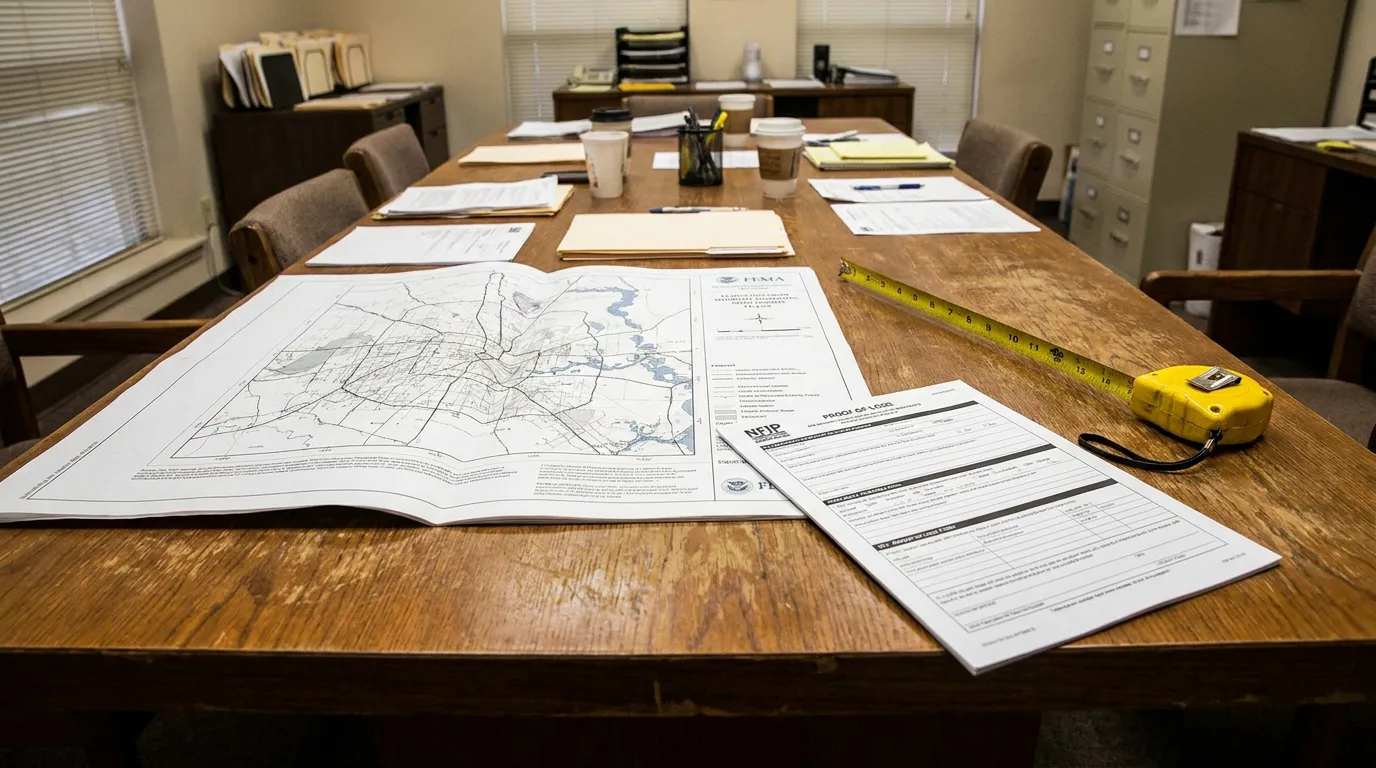
National Flood Insurance Program (NFIP) policies are backed by the federal government, and their claim handling follows strict federal rules alongside Standard Flood Insurance Policy terms. After a flood event, a claims adjuster inspects the property, measures the water lines, and prepares an initial estimate of covered damage. That estimate reflects the adjuster’s professional opinion, but it is not automatically binding on your recovery.
Valuation is a professional determination, not absolute fact. Different qualified professionals frequently reach materially different conclusions about the exact same property damage. Because an assigned value represents an informed opinion rather than an unchallengeable number, consulting a federal flood coverage lawyer or an adjuster’s estimate lawyer can help you effectively challenge inaccuracies.
💡 Pro Tip: Photograph and video every damaged room before removing any debris, and keep all receipts for temporary repairs. Detailed documentation is absolutely essential for successfully challenging a low estimate.
How Appraisal Resolves a Flood Damage Value Dispute in Texas
For property policies governed by Texas law, appraisal is the contractual mechanism for resolving disagreements about loss value. This insurance appraisal process provides a structured, contractually agreed method for resolving financial disagreements between the carrier and the policyholder. You can read more about the doctrine in this St. Mary’s Law Journal analysis of appraisal in coverage litigation.
The appraisal process is deliberately structured to keep valuation neutral. Each side selects an independent appraiser, and a neutral umpire resolves any remaining differences to fix the final loss value. Importantly, appraisal answers a very narrow question: determining the “amount” of the loss in scenarios where coverage itself is not in dispute.
That boundary between valuation and coverage is central to any flood damage value dispute in Texas. Appraisers decide how much the physical damage is worth, while the courts decide whether that specific loss is covered under the policy. Chapter 1813 of the Texas Insurance Code reinforces this principle, stating that the appraisal provision provides a dispute resolution process solely to determine the amount of loss. If you are navigating this complex boundary, a flood damage value dispute lawyer or an insurance appraisal Texas lawyer can help protect your rights.
When an Appraisal Award Becomes Binding, and When It Does Not
Once appraisers determine the amount of loss under Texas’s statutory framework, that number generally binds both sides, but only within defined limits. Under the statute, except for instances of fraud, accident, material mistake, or an award made without authority, the amount of loss determined by appraisal is binding on both the policyholder and the insurer. If you need to challenge or enforce a decision, an appraisal award binding lawyer can guide you through the legal standards.
Appraisal, however, cannot rewrite your coverage. The law is explicit that an appraisal does not alter any applicable policy terms, and an appraisal award must be made in substantial compliance with the policy’s specific appraisal clause. Even a highly favorable award must still fit within the coverage parameters, deductibles, and financial limits your policy provides.
Timing and scope caveats matter here, especially for flood. Chapter 1813 applies to personal auto or residential property policies issued in Texas, but it does not apply to Texas Windstorm Insurance Association or commercial policies. Because NFIP flood coverage operates as a federal program, homeowners should treat the Texas appraisal framework as instructive context rather than automatic authority. It is crucial to confirm which appraisal clause governs your specific policy, a task where an NFIP flood claim lawyer or a Texas Insurance Code Chapter 1813 lawyer can provide vital clarity.
💡 Pro Tip: Read the “how we resolve disputes” language in your declarations page before formally demanding an appraisal. Texas policies subject to Chapter 2210 must contain conspicuous notice regarding the processes and strict deadlines for appraisal.
Deadlines You Cannot Afford to Miss
Flood claim disputes live and die by deadlines, and missing one can quietly end a strong claim. Under Texas’s windstorm framework, a claimant disputing the amount of loss may demand appraisal not later than the 60th day after receiving the required notice. Different policies impose different clocks, and NFIP flood claims carry their own strict federal deadlines for submitting a proof of loss and initiating litigation.
Texas requires certain policies to flag these timeframes conspicuously. Under Chapter 2210, applicable policies must give clear notice of appraisal processes and generally require filing a claim within one year of the damage occurring. These deadlines are rarely extended automatically, so treat every date as firm unless a dispute resolution flood claim lawyer confirms otherwise.
| Question in Dispute | Who Typically Decides |
|---|---|
| Amount or total dollar value of the loss | Appraisers and a neutral umpire |
| Whether the loss is covered | Courts, applying policy terms |
| Whether the insurer acted unreasonably | Courts, under bad-faith statutes |
Bad Faith: Your Leverage Beyond the Appraisal Number
Appraisal decides value, but Texas statutes give Houston policyholders separate tools when an insurer handles a claim unfairly. The Texas Insurance Code identifies certain conduct as an unfair settlement practice, including failing to attempt in good faith to effectuate a prompt, fair, and equitable settlement of a claim once the insurer’s liability has become reasonably clear.
The statute also targets unjustified denials and inadequate investigations. It prohibits an insurer from failing to promptly provide a policyholder with a reasonable explanation of the basis in the policy for a claim denial, as well as refusing to pay a claim without conducting a reasonable investigation. You can review the full text of these vital consumer protections in Chapter 541 of the Texas Insurance Code.
One important caution is that appraisal has evolved into a defensive tool for insurers. Recent case law has sometimes allowed insurers to escape liability for breach of contract, attorneys’ fees, and statutory “bad faith” claims after an appraisal. Whether appraisal helps or hurts your case is highly fact-specific, which is why strategic planning with an underpaid flood insurance claim lawyer matters before you invoke the process.
Practical Steps for Houston Homeowners Facing an Underpaid Flood Insurance Claim
Homeowners have more control than they often realize once they understand the appraisal and bad-faith framework. If you are dealing with an underpaid flood insurance claim in Houston, a flood damage attorney Houston residents trust can help you execute a few practical moves to preserve your leverage:
- Request the adjuster’s full estimate and the line-item basis for every value assigned.
- Obtain an independent contractor or appraiser estimate to rebut a low figure.
- Keep all communications in writing and carefully note every deadline in your policy.
- Confirm whether the appraiser being proposed is truly neutral and qualified.
Appraiser neutrality is not a technicality; it is a core legal principle. The appraiser must remain independent of the interests of any other party and possess the right qualifications. For a fuller checklist of actions to protect your recovery, review these steps for handling a low flood payout.
💡 Pro Tip: If your adjuster’s report omits hidden damage like subfloor rot or drywall wicking, get a moisture reading documented in writing. Concealed damage is a frequent reason why valid claims come back significantly underpaid.
Frequently Asked Questions
-
Who ultimately decides the value of my Houston flood damage?
In an amount-of-loss dispute, appraisers decide the value rather than the insurer alone. Each side selects an appraiser, and a neutral umpire resolves any lingering differences. Whether that final award binds you depends on your specific policy language and the governing law.
-
Does appraisal cover whether my flood loss is covered at all?
Generally, no. Appraisal determines the amount of the loss, not the underlying coverage. Coverage questions, such as whether a specific flood exclusion applies, remain legal issues for courts to decide.
-
Can I still pursue a bad-faith claim if I go through appraisal?
It depends heavily on the facts and current Texas case law. Some decisions have allowed insurers to limit their bad-faith exposure after paying an appraisal award. Seeking guidance from a flood insurance lawyer Houston relies on before invoking appraisal can be incredibly valuable for your overall strategy.
-
How long do I have to dispute an underpaid flood claim?
Deadlines vary by policy and program, and they are strict. Some Texas policies require an appraisal demand within 60 days of notice and claim filing within one year of the damage. Meanwhile, NFIP flood claims follow separate, rigid federal deadlines, meaning you must act quickly to protect your rights.
-
Do I need an appraisal for every flood claim underpayment in Texas?
Not necessarily. Appraisal is just one dispute resolution tool among several available to policyholders. Reviewing your policy and underpayment with a Texas appraisal process lawyer helps determine whether negotiation, appraisal, or litigation best fits your unique circumstances.
Protecting the Value of Your Flood Claim
The adjuster’s estimate is often just a starting point, and Houston homeowners have meaningful ways to contest a low number. Between the appraisal process that fixes the amount of loss, coverage questions reserved for courts, and unfair-settlement protections in the Texas Insurance Code, policyholders have real leverage in a property insurance dispute. The key to success is understanding which tool applies, respecting strict deadlines, and building strong documentation. If you want to learn more about how a Fitts Law Firm PLLC lawyer approaches these complex matters, explore our work on denied insurance claims in Houston.
If your flood payout does not reflect the true cost of your loss, do not accept it at face value. Contact Fitts Law Firm, PLLC by calling 713-871-1670, visit our website to learn more, or send us a message through our online contact form to have your flood claim reviewed today.
