
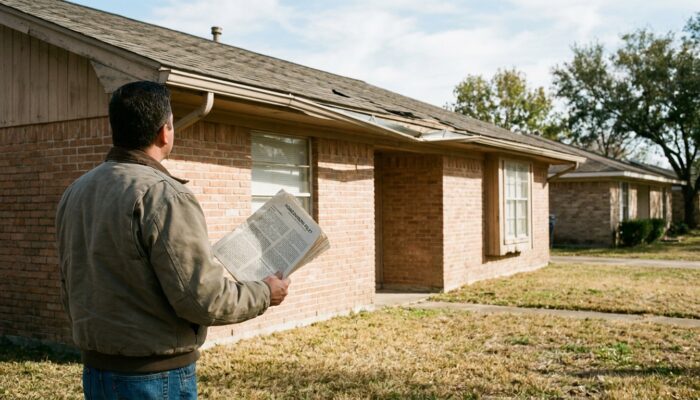
When Your Houston Home Insurance Claim Gets Stuck in Limbo
A constructive denial happens when your home insurance company never formally says "no" to your claim but effectively denies it through delay, silence, or inaction. Unlike a written denial, a constructive denial leaves Houston homeowners waiting indefinitely. Your insurer might request document after document, fail to respond to calls, or simply let months pass without accepting or rejecting your claim. Under Texas law, this stalling can violate statutory deadlines and open the door to significant legal remedies.
If your home insurance claim has stalled and you suspect your insurer is running out the clock, Fitts Law Firm, PLLC can help you understand your options. Call 713-871-1670 or reach out online to discuss your situation today.
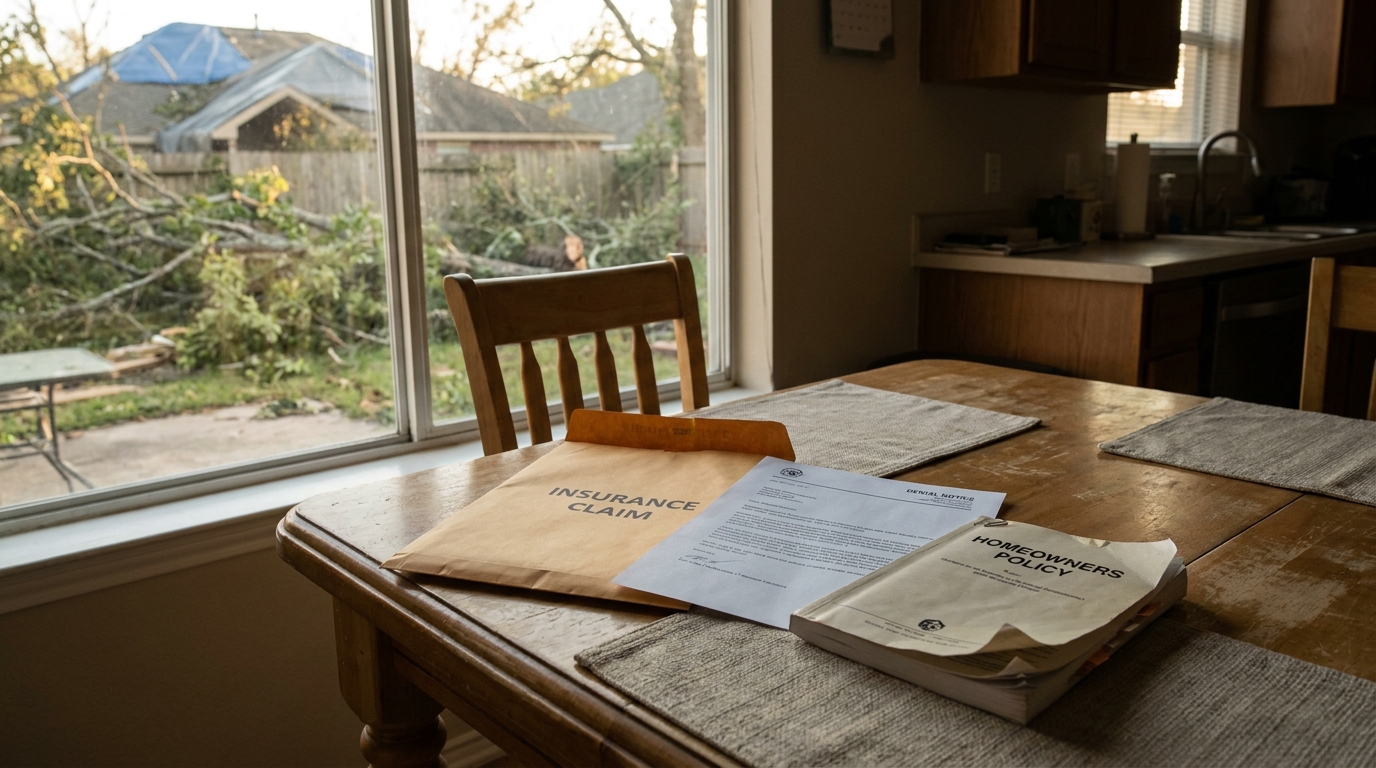
How Texas Law Defines Insurer Obligations and Deadlines
Texas has detailed statutes that set strict timelines for how insurance companies must process your claim. Under Texas Insurance Code Chapter 542, the Texas Prompt Payment of Claims Act, insurers must follow specific sequences when handling residential property insurance claims. Section 542.055 requires insurers to acknowledge receipt of your claim, begin investigation, and request additional information within 15 days of receiving notice. Once the insurer receives all necessary items to confirm proof of loss, §542.056 requires acceptance or rejection within 15 business days.
If the insurer approves your claim, §542.057 requires payment within five business days of acceptance. When an insurer fails to meet these deadlines, the delay itself can function as a constructive denial, giving you grounds to pursue legal action.
💡 Pro Tip: Keep a written log of every interaction with your insurance company, including dates, names, and what was discussed. This documentation serves as critical evidence if delays cross into constructive denial.
What Makes a Constructive Denial Different From an Outright Denial
An outright denial arrives as a clear written statement rejecting your claim, while a constructive denial is far more subtle. The insurer may never put a "denied" stamp on your file. Instead, the company might repeatedly request redundant documentation, ignore calls, assign and reassign adjusters, or go silent after you submit proof of loss. The practical effect is identical: damage goes unrepaired and claims go unpaid.
Texas law accounts for this tactic. Chapter 541 of the Texas Insurance Code lists specific prohibited practices, including failing to affirm or deny coverage within a reasonable time and refusing to pay without conducting reasonable investigation. Under §541.008, this chapter is liberally construed in favor of policyholders, meaning even without a formal denial letter, an insurer’s pattern of delay may be treated as a violation.
Recognizing the Warning Signs
Certain insurer behaviors should raise red flags for Houston homeowners. Common constructive denial tactics include:
- Repeated requests for information you have already provided
- Long periods of silence after submitting documentation
- Frequent changes in assigned adjusters
- Vague or contradictory explanations about claim status
- Failure to provide written acceptance or rejection within the statutory timeframe
Recognizing these signs early allows you to take action before valuable time runs out.
💡 Pro Tip: If your insurer asks for the same document twice, send it via certified mail or email with delivery confirmation to create a verifiable record.
Penalties Insurers Face for Delay and Bad Faith in Texas
Texas law imposes meaningful financial consequences on insurers that fail to pay claims on time. Under §542.058, if an insurer delays payment beyond 60 days after receiving all required documentation, it must pay damages as outlined in §542.060. Those damages include 18% annual interest on the unpaid amount plus reasonable and necessary attorney’s fees. For weather-related property insurance claims, Chapter 542A may apply and can modify the interest rate and impose presuit notice requirements.
The consequences can be even more severe when an insurer acts knowingly. Under Texas Insurance Code §541.152, if a policyholder proves an insurer knowingly committed unfair or deceptive acts, the trier of fact may award up to three times the amount of actual damages.
| Timeline Requirement | Texas Insurance Code Section | Deadline |
|---|---|---|
| Acknowledge claim and begin investigation | §542.055 | 15 days after notice of claim |
| Accept or reject the claim | §542.056 | 15 business days after receiving all proof of loss |
| Issue payment after acceptance | §542.057 | 5 business days |
| Maximum delay before penalties apply | §542.058 / §542.060 | 60 days (18% interest + attorney’s fees) |
| Extended deadline for weather catastrophes | §542.059(b) | Additional 15 days |
💡 Pro Tip: In weather-related catastrophes or major natural disasters, deadlines are extended by an additional 15 days under §542.059(b). If your claim arose from a Houston hurricane or flood, factor this extension into your timeline.
How Houston Storm Damage Claims Are Affected
Houston homeowners face unique challenges because of the city’s vulnerability to hurricanes, tropical storms, and flooding. Chapter 542 of the Texas Insurance Code includes a subchapter that applies specifically to insurers handling water damage claims filed under residential property insurance policies, as outlined in §542.252.
Despite these protections, some insurers still use delay as a strategy after large-scale weather events. While §542.059(b) grants an additional 15 days for weather-related catastrophes, this extension is limited and does not give insurers open-ended permission to stall. Additionally, Chapter 542A requires policyholders to provide presuit notice before filing a lawsuit. If your insurer has blown past even extended deadlines, their inaction may constitute a constructive denial, and you may have grounds to pursue a claim for insurance delay tactics.
Understanding Statutes of Limitations
Even when an insurer constructively denies your claim, you still face a deadline to take legal action. Texas imposes statutes of limitations on civil lawsuits, and insurance disputes are no exception. For breach of contract claims, the statute of limitations is generally four years, while extra-contractual claims under Chapters 541 and 542 are generally subject to a two-year limitations period. Determining when the clock starts on a constructive denial can be complex because there is no single denial letter.
💡 Pro Tip: Do not assume you have unlimited time just because your insurer has not sent a formal denial. Consult with a denied insurance claim attorney in Houston as soon as you suspect constructive denial to preserve your legal options.
What You Can Do if Your Houston Home Insurance Claim Is Constructively Denied
Texas law provides several avenues for homeowners who believe their claim has been constructively denied. You generally have three options: appeal directly to the insurer with a written demand, file a complaint with the Texas Department of Insurance (TDI) at 1-800-252-3439, or pursue legal action with a denied insurance claim attorney in Houston.
Building a Strong Case
Documentation is the foundation of any successful insurance dispute. To strengthen your position, gather:
- All correspondence with your insurer, including emails, letters, and phone call notes
- Copies of every document you submitted with proof of delivery dates
- Your complete insurance policy, including endorsements and declarations pages
- Independent repair estimates or damage assessments from qualified professionals
- Photographs and videos of the damage taken immediately after the loss
This evidence can help establish that your insurer violated statutory deadlines outlined in Chapter 542 or engaged in unfair practices prohibited by Chapter 541. The stronger your paper trail, the more difficult it becomes for the insurer to justify delays.
💡 Pro Tip: Request a complete copy of your claim file from your insurer. Texas law generally entitles you to this information, and it may reveal internal notes supporting your case.
Why a Denied Insurance Claim Attorney in Houston Matters
Navigating a constructive denial without legal guidance can put you at a disadvantage. Insurance companies have entire teams devoted to managing claims and minimizing payouts. A denied insurance claim attorney in Houston understands the specific provisions of Texas Insurance Code Chapters 541 and 542, knows how to identify when an insurer has crossed statutory deadlines, and can help you pursue the full range of remedies, including 18% annual interest, attorney’s fees, and potentially treble damages under §541.152.
An attorney can also help you avoid common pitfalls. Accepting a lowball settlement or missing a statute of limitations deadline can permanently limit your recovery. Having legal counsel review your claim before you take action helps ensure your rights remain protected. If your home insurance claim was denied in Houston, legal representation may make a significant difference.
Frequently Asked Questions
1. What is the legal definition of a constructive denial in Texas home insurance?
What Does "Constructive Denial" Mean Under Texas Law?
A constructive denial occurs when an insurer effectively denies a claim through inaction, excessive delay, or failure to communicate a decision within the required statutory timeframe. Under Texas Insurance Code §542.056, an insurer must accept or reject a claim within 15 business days after receiving all necessary proof of loss. When the insurer fails to do so, the delay may be treated as a denial, triggering the policyholder’s right to pursue legal remedies.
2. How long does a Texas insurer have to respond to my home insurance claim?
Key Deadlines for Insurer Responses
Under §542.055, the insurer must acknowledge your claim and request needed information within 15 days of receiving notice. After receiving all required documentation, it has 15 business days to accept or reject the claim under §542.056. In weather-related catastrophes, §542.059(b) extends these deadlines by an additional 15 days.
3. What damages can I recover if my insurer constructively denies my claim?
Available Remedies Under Texas Law
If your insurer delays payment beyond statutory deadlines, you may be entitled to 18% annual interest on the unpaid amount and reasonable attorney’s fees under §542.060. Additionally, if you prove the insurer knowingly engaged in unfair practices under Chapter 541, you may recover up to three times your actual damages under §541.152.
4. Does filing a complaint with TDI affect my ability to file a lawsuit?
Administrative vs. Civil Actions
Filing a complaint with the Texas Department of Insurance is an administrative process generally separate from filing a civil lawsuit. You may pursue both avenues, but each has its own procedures, deadlines, and outcomes. An attorney can help determine which approach best fits your situation.
5. Can my insurer use a hurricane or flood as an excuse to delay my claim indefinitely?
Weather-Related Extensions Have Limits
No. While §542.059(b) grants insurers an additional 15 days during weather-related catastrophes, this extension is finite. Once extended deadlines pass, the insurer is subject to the same penalties for delay as in any other claim. Ongoing inaction beyond the extended period may constitute a constructive denial.
Protecting Your Rights After a Constructive Denial
A constructive denial can leave Houston homeowners feeling powerless, but Texas law provides real protections and remedies. The Texas Prompt Payment of Claims Act and Chapter 541 of the Texas Insurance Code establish clear deadlines, prohibit unfair settlement practices, and impose significant penalties on insurers that fail to act in good faith. Whether your claim involves storm damage, flooding, or another covered loss, understanding these rules strengthens your position to hold your insurer accountable.
If you believe your home insurance claim has been constructively denied, do not wait for the insurer to act. Contact Fitts Law Firm, PLLC by calling 713-871-1670 or schedule a consultation online to discuss your next steps.
